

To create the perfect strength schedule for running a lot, aim for 2-3 short, focused sessions weekly, each lasting 20-30 minutes, combining core, hip, and leg exercises with mobility work. Prioritize proper form and progressively add resistance to build resilience without overtraining. Incorporate cross training like cycling or swimming for cardiovascular gains and recovery. Stay consistent, listen to your body, and explore the detailed plan ahead to optimize your performance and prevent injuries.
Key Takeaways
- Schedule 2-3 strength sessions weekly, integrated with running, focusing on core, hips, and legs for stability and injury prevention.
- Limit strength workouts to 20-30 minutes to maintain balance and avoid overtraining, ensuring sufficient recovery.
- Prioritize proper form and progressive resistance to build strength safely without compromising running performance.
- Incorporate mobility and flexibility routines regularly to enhance recovery and reduce injury risks during high-volume training.
- Use cross training activities like cycling or swimming to boost cardiovascular fitness with minimal impact on running volume.
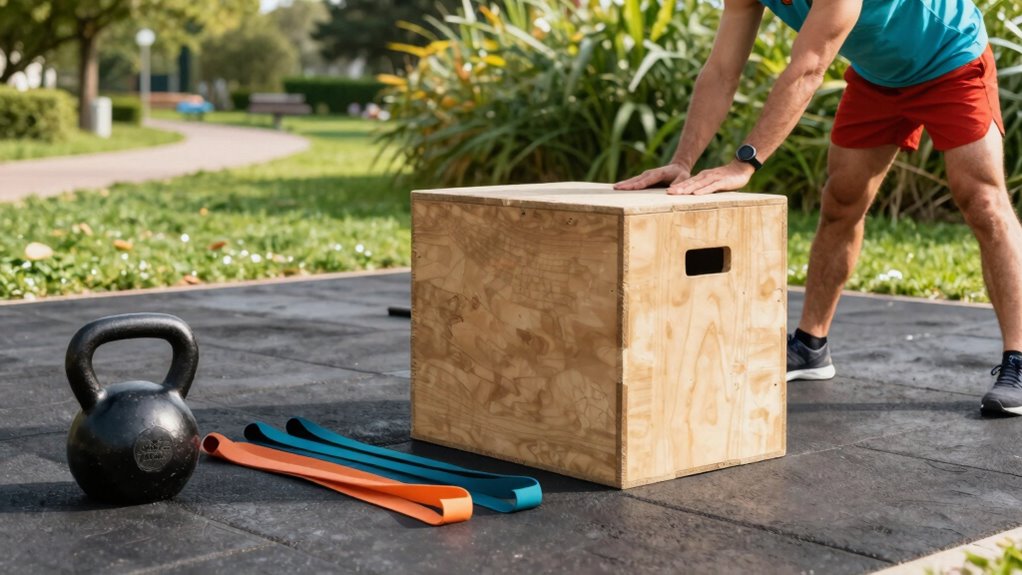
To improve your running performance and prevent injuries, incorporating a well-structured strength training schedule is essential. Strength training isn’t just about building muscles; it also enhances your stamina, stability, and overall running efficiency. When you include cross training benefits into your routine, you’re giving your body a balanced workout that reduces repetitive stress on specific muscle groups. Cross training helps you avoid overuse injuries by diversifying the physical demands placed on your muscles and joints. For example, adding cycling, swimming, or elliptical workouts can boost your cardiovascular capacity without the pounding impact of running. These activities allow you to train hard while giving your legs a break, helping you recover faster and maintain consistent mileage.
A solid strength schedule should focus on injury prevention strategies as much as on boosting strength. Incorporate exercises that target your core, hips, and lower limbs, since these are critical for maintaining good running form and absorbing shock. Planks, side planks, and Russian twists strengthen your core, which stabilizes your entire body during runs. Hip bridges and clamshells enhance hip stability, reducing the risk of IT band syndrome and runner’s knee. Leg presses, lunges, and step-ups develop the muscles responsible for propulsion and shock absorption. When these muscles are strong and balanced, your chances of overuse injuries diminish considerably. Additionally, understanding the thermal behavior of your body during exercise can help optimize your training and recovery strategies.
Consistency is key. Aim for two to three strength sessions per week, interspersed with your running workouts. You don’t need lengthy sessions; even 20 to 30 minutes focused on functional movements can make a big difference. Pay attention to proper form to maximize benefits and minimize injury risk. As you progress, gradually increase resistance or repetitions to build strength without overexerting yourself. Incorporate mobility work, such as dynamic stretches and foam rolling, to keep your muscles flexible and prevent tightness that could lead to strains.

Twister Arm Trainer, 3 in 1 Hydraulic Power Chest Workout Equipment with Ab Roller Wheels and Hooks, Adjustable 22-440lbs Arm Trainer for Men Women, Home Gym Equipment for Full Body Strength Training
[Adjustable Hydraulic Resistance from 22 to 440LBS]: This twister arm trainer features an upgraded hydraulic cylinder that allows…
As an affiliate, we earn on qualifying purchases.
As an affiliate, we earn on qualifying purchases.
Frequently Asked Questions
How Can I Prevent Overtraining With Both Running and Strength Workouts?
To prevent overtraining, listen to your body and incorporate adequate rest days. Use cross training benefits, like swimming or cycling, to reduce impact while maintaining fitness. Focus on nutrition strategies, such as proper protein intake and hydration, to support recovery. Vary your workouts and monitor fatigue levels, ensuring you don’t push too hard. Balancing running and strength training helps avoid burnout and keeps your progress steady.
What Adjustments Are Needed for Different Running Distances?
Think of your training as a symphony, where each distance requires a different instrument. For shorter distances, focus on explosive strength and speed, adding cross-training benefits like plyometrics. For longer runs, emphasize strength endurance through sustained workouts. Adjust your strength work accordingly, balancing intensity and volume, to match your running distances. This harmony prevents overtraining and optimizes performance across all distances.
How Should I Modify the Schedule During Injury Recovery?
During injury recovery, you should modify your schedule by reducing intensity and volume to avoid overloading your body. Incorporate gentle recovery techniques like swimming, stretching, and foam rolling to promote healing. Focus on cross-training to maintain fitness without aggravating your injury, and gradually reintroduce running as your strength improves. Always listen to your body and consult a professional for personalized modification strategies to guarantee safe, effective recovery.
What Are Signs of Inadequate Recovery Between Sessions?
You notice muscle soreness lingering longer than usual, and your sleep quality drops, leaving you exhausted even after a full night’s rest. These signs show your body isn’t recovering adequately between sessions. When recovery is insufficient, you might feel more fatigued, experience decreased performance, or get more injuries. Pay attention to these signals, prioritize rest, and adjust your schedule to include more recovery days, ensuring your body rebuilds stronger.
Can Strength Training Improve My Running Performance Significantly?
Yes, strength training can substantially improve your running performance by enhancing muscle strength, endurance, and stability. Incorporating cross training benefits, like strength exercises, helps prevent injuries and boosts efficiency. Aim for strength training sessions 2-3 times per week, ensuring adequate recovery. This balanced approach complements your running, increases power, and reduces fatigue, ultimately making you a faster, more resilient runner.

OPTP Pelvic Rocker Core Trainer – Balance Disc for Core Stability, Pelvic Floor Training, and Lower Ab Exercise – Hip Mobility Trainer and Pilates Exercise Equipment for SI Joint Support
Pelvic Mobility and Stability Exercise: A 2-piece exercise platform to perform movement and balance exercises to activate deep…
As an affiliate, we earn on qualifying purchases.
As an affiliate, we earn on qualifying purchases.
Conclusion
Follow this strength schedule, and you’ll build resilience like a fortress, ready to weather any running challenge. By balancing strength work with your runs, you’ll improve your speed, prevent injuries, and enjoy your miles even more. Think of it as planting seeds today that will grow into a strong, steady forest tomorrow. Stay consistent, listen to your body, and watch your running transform into a powerful, unstoppable force. Your best runs are just ahead!

Resistance Bands for Working Out, 5-Pack Elastic Exercise Bands for Strength Training, Stretching, Workout; Home Gym Equipment for Women Men, Pilates Yoga Physical Therapy, Leg Glute Arm Exercise Kit
Complete 5-Pack Fitness Kit: This versatile set of durable resistance bands includes 5 multi-level exercise bands (light to…
As an affiliate, we earn on qualifying purchases.
As an affiliate, we earn on qualifying purchases.
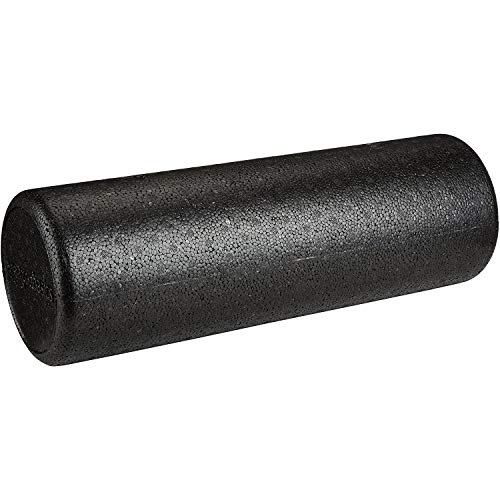
Amazon Basics High-Density Foam Roller for Exercise and Recovery, 18 Inches, Black
High-density foam roller in Black
As an affiliate, we earn on qualifying purchases.
As an affiliate, we earn on qualifying purchases.