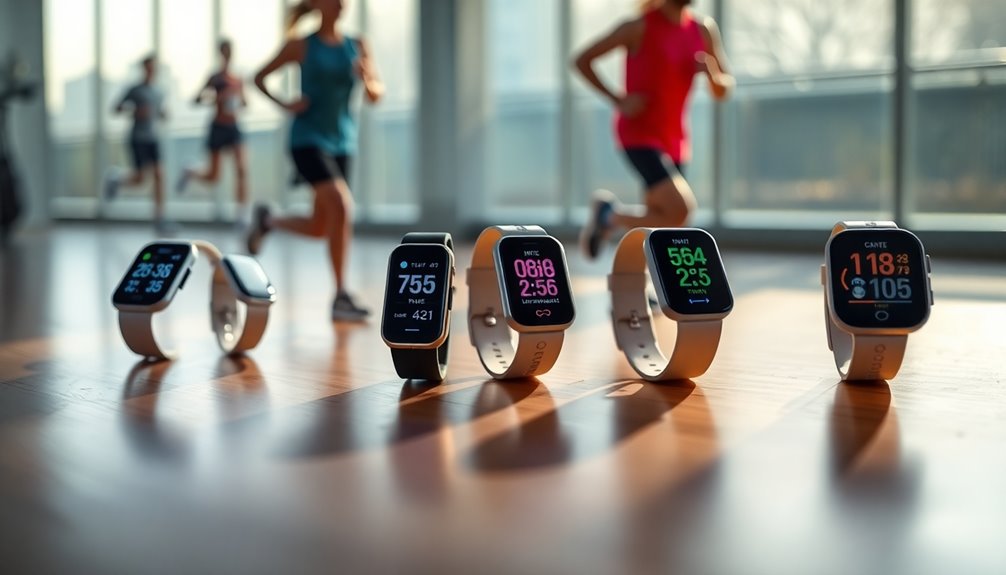
When searching for accurate running distance trackers, precision, ease of use, and durability are key factors. The Garmin Forerunner 965 stands out as the best overall due to its comprehensive training metrics and built-in maps. The Garmin Forerunner 970 offers premium GPS features for serious athletes, while the COROS PACE 4 excels in lightweight design and long battery life. However, each option involves tradeoffs—more advanced models tend to be pricier and bulkier, while simpler trackers may lack the precise metrics needed for serious training. Continue reading for a detailed breakdown to help you find the perfect fit for your running goals.

Get workout gear delivered free — and shop member deals
- Fast, free delivery on millions of items
- Access to Prime Big Deal Days deals on October 6–7
- Prime Video, Amazon Music and more included
Complete the kit



Key Takeaways
- High-end models like the Garmin Forerunner 965 provide the most accurate data but come at a higher price.
- Lightweight and long battery life are common features among the most reliable trackers for extended running sessions.
- Built-in maps and advanced training metrics are key differentiators in premium options.
- Simple fitness trackers may offer decent accuracy but often lack detailed running metrics.
- Price and feature set should be balanced based on your training needs and budget.
| Garmin Forerunner 965 Running Smartwatch, AMOLED Display, Training Metrics, Built-in Maps, Music Storage, Black and Powder Gray |  | Best Overall for Versatile, Long-Lasting Precision | Display: 1.4-inch AMOLED touchscreen | Battery Life: up to 23 days in smartwatch mode, 31 hours in GPS mode | Materials: Titanium bezel | VIEW ON AMAZON | See Our Full Breakdown |
| Garmin Forerunner 970 Premium GPS Running and Triathlon Smartwatch |  | Best for Multi-Feature Triathletes with Advanced Health Metrics | Display: 1.4-inch AMOLED touchscreen | Battery Life: up to 15 days in smartwatch mode, 26 hours in GPS | Materials: Titanium bezel, sapphire lens | VIEW ON AMAZON | See Our Full Breakdown |
| Garmin vívosmart 5 Fitness Tracker, Black | 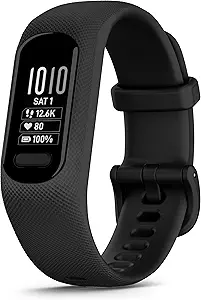 | Best for Everyday Health Monitoring and Simplicity | Display: Brighter, larger touchscreen | Battery Life: Up to 7 days | Water Resistance: Swim and shower safe | VIEW ON AMAZON | See Our Full Breakdown |
| Garmin Forerunner 570 42mm GPS Running and Triathlon Smartwatch |  | Best for Multi-Sport Training with Long Battery Life | Display: 1.2 inch AMOLED touchscreen | Battery Life: up to 10 days in smartwatch mode, 18 hours in GPS | Size: 42 mm | VIEW ON AMAZON | See Our Full Breakdown |
| Garmin Forerunner 265 Running Smartwatch, 46mm, AMOLED Display, GPS, Training Metrics, Black and Powder Gray |  | Best for Vivid Display and Accurate GPS in a Lightweight Design | Display: 1.3-inch AMOLED touchscreen | Battery Life: up to 13 days in smartwatch mode, 20 hours in GPS | Size: 46 mm | VIEW ON AMAZON | See Our Full Breakdown |
| 2026 Distance & Pace GPS Running Watch for Runners – Call & Text, AMOLED Large Screen, 50m Waterproof Swimming, Calorie & Step Counter, 2 Bands, Long Battery, for Seniors Men Women (Black) |  | Best for Outdoor and Water Activities | Display: 2.06-inch AMOLED | Water Resistance: 50m / 5ATM | Battery Life: 7 days heavy use / 20 days light use / 30 days standby | VIEW ON AMAZON | See Our Full Breakdown |
| Garmin Forerunner 55 GPS Running Watch with Daily Suggested Workouts, Heart Rate Monitor, Up to 2 Weeks Battery, Black – 010-02562-00 |  | Best for Entry-Level Runners Seeking Guidance | Battery Life: up to 2 weeks in smartwatch mode | Display Size: 42mm case | Features: GPS, wrist HR, suggested workouts | VIEW ON AMAZON | See Our Full Breakdown |
| Garmin Forerunner 165 Running Smartwatch with AMOLED Display and GPS |  | Best for Vibrant Display and Personalized Training | Display: AMOLED touchscreen | Size: 43 mm | Battery Life: Up to 11 days in smartwatch mode | VIEW ON AMAZON | See Our Full Breakdown |
| Garmin Forerunner 255 GPS Running Smartwatch – Slate Gray |  | Best for Advanced Performance Metrics | Display: Full-color, always-on | Battery Life: Up to 14 days smartwatch, 30 hours GPS | Sizes: 46 mm and 41 mm | VIEW ON AMAZON | See Our Full Breakdown |
| COROS PACE 4 Ultralight Sport GPS Watch, 1.2″ AMOLED Touchscreen,19 Days of Daily use, Voice Features, Advanced Training Tools, Accurate GPS, Heart Rate Monitor (Black Silicone, Standard) |  | Best for Ultra-Lightweight and Long Battery Life | Display: 1.2-inch AMOLED touchscreen | Battery Life: Up to 19 days daily use | Weight: 32 grams | VIEW ON AMAZON | See Our Full Breakdown |
| COROS PACE 3 GPS Sport Watch – Lightweight, Comfortable Running Watch with 17-Day Battery Life and Accurate GPS |  | Best Overall for Lightweight, Long-Lasting Accuracy | Weight: 30g | Display: 1.2-inch Always-On Transflective Touchscreen | Battery Life: 38 hours GPS, 24 days daily use | VIEW ON AMAZON | See Our Full Breakdown |
| Garmin vívoactive 5, Health and Fitness GPS Smartwatch, AMOLED Display, Up to 11 Days of Battery, Ivory |  | Best for All-in-One Health & Fitness Tracking with Style | Display Type: AMOLED | Battery Life: Up to 11 days in smartwatch mode | Water Resistance: Water Resistant | VIEW ON AMAZON | See Our Full Breakdown |
| accurate running distance tracker | Battery Life | Display |
|---|---|---|
| Garmin Forerunner 965 Running | up to 23 days in smartwatch mode, 31 hours in GPS mode | 1.4-inch AMOLED touchscreen |
| Garmin Forerunner 970 Premium | up to 15 days in smartwatch mode, 26 hours in GPS | 1.4-inch AMOLED touchscreen |
| Garmin vívosmart 5 Fitness Tra | Up to 7 days | Brighter, larger touchscreen |
| Garmin Forerunner 570 42mm GPS | up to 10 days in smartwatch mode, 18 hours in GPS | 1.2 inch AMOLED touchscreen |
| Garmin Forerunner 265 Running | up to 13 days in smartwatch mode, 20 hours in GPS | 1.3-inch AMOLED touchscreen |
| 2026 Distance & Pace GPS Runni | 7 days heavy use / 20 days light use / 30 days standby | 2.06-inch AMOLED |
| Garmin Forerunner 55 GPS Runni | up to 2 weeks in smartwatch mode | — |
| Garmin Forerunner 165 Running | Up to 11 days in smartwatch mode | AMOLED touchscreen |
| Garmin Forerunner 255 GPS Runn | Up to 14 days smartwatch, 30 hours GPS | Full-color, always-on |
| COROS PACE 4 Ultralight Sport | Up to 19 days daily use | 1.2-inch AMOLED touchscreen |
| COROS PACE 3 GPS Sport Watch | 38 hours GPS, 24 days daily use | 1.2-inch Always-On Transflective Touchscreen |
| Garmin vívoactive 5 | Up to 11 days in smartwatch mode | — |
More Details on Our Top Picks
Garmin Forerunner 965 Running Smartwatch, AMOLED Display, Training Metrics, Built-in Maps, Music Storage, Black and Powder Gray
The Garmin Forerunner 965 stands out for its vibrant AMOLED display and comprehensive training features, making it ideal for serious runners who want detailed metrics and navigation in one device. Compared with the Garmin Forerunner 265, it offers longer battery life—up to 23 days—and more advanced recovery insights, though at a higher price. Its full-color maps and music storage enhance usability for long-distance or multi-sport athletes, but the premium cost and complex interface might be a hurdle for casual users. Overall, this pick makes the most sense for dedicated runners and triathletes demanding accuracy and durability, willing to invest in a feature-rich device.
Pros:- Vibrant AMOLED display for clear visibility
- Long battery life suitable for extended use
- Built-in maps and music storage for convenience
- Advanced training, recovery, and sleep insights
Cons:- Premium price may be prohibitive for some users
- Complex features require time to learn and fully utilize
Best for: Experienced runners and triathletes seeking detailed metrics, navigation, and long battery life
Not ideal for: Casual runners or beginners who prefer simple tracking and a lower price point
- Display:1.4-inch AMOLED touchscreen
- Battery Life:up to 23 days in smartwatch mode, 31 hours in GPS mode
- Materials:Titanium bezel
- Maps:Built-in full-color maps
- Music Storage:Yes
- Connectivity:Garmin Pay, multi-band GNSS with SatIQ
Our verdict“This device is best suited for dedicated athletes who value extensive features and navigation, despite its higher cost.”
Garmin Forerunner 970 Premium GPS Running and Triathlon Smartwatch
The Garmin Forerunner 970 offers a bright AMOLED display combined with multi-band GPS, ECG, and a built-in LED flashlight, making it ideal for triathletes who need precise tracking in various conditions. Compared with the 965, it adds ECG capabilities and call-making functions, but comes at a higher price and shorter battery life—up to 15 days. Its sapphire lens and titanium bezel deliver durability, yet the device’s extensive feature set can be overwhelming for casual users. This pick is perfect for athletes who want a premium, multisport device with advanced health monitoring, provided they’re comfortable with the price and complexity.
Pros:- Bright AMOLED display with easy controls
- Advanced health metrics including ECG and running dynamics
- Built-in LED flashlight for visibility in low light
- Multi-band GPS with detailed mapping
Cons:- High price point limits accessibility
- Some features require additional sensors or subscriptions
- Battery life shorter than less feature-rich models
Best for: Triathletes and serious runners seeking comprehensive health data and multi-sport support
Not ideal for: Casual runners or users with budget constraints or less interest in advanced health features
- Display:1.4-inch AMOLED touchscreen
- Battery Life:up to 15 days in smartwatch mode, 26 hours in GPS
- Materials:Titanium bezel, sapphire lens
- Features:ECG, multi-band GPS, LED flashlight
- Connectivity:Microphone, speaker, smartphone pairing
Our verdict“Ideal for dedicated multisport athletes prioritizing health metrics and navigation, despite its cost and complexity.”
Garmin vívosmart 5 Fitness Tracker, Black
The Garmin vívosmart 5 excels with its larger, brighter display and straightforward design, making it well-suited for users who want basic activity and health monitoring without the complexity of a full smartwatch. While it doesn’t include GPS, it offers accurate heart rate, sleep, and stress tracking, similar to other budget-friendly options like the Garmin Forerunner 55, but with a more comfortable form factor. Its limited medical-grade accuracy and the need for a smartphone to access full features are tradeoffs for simplicity. This device makes the most sense for casual users focused on daily wellness rather than precise distance tracking during runs.
Pros:- Large, bright touchscreen for easy readability
- Up to 7 days of battery life
- Comprehensive health metrics including stress and hydration
- Swim and shower safe
Cons:- Lacks built-in GPS for distance tracking
- Limited accuracy for some health metrics
- Requires smartphone for full functionality
Best for: Casual users who prioritize easy health insights and a comfortable, large display
Not ideal for: Serious runners or athletes needing precise GPS and detailed training metrics
- Display:Brighter, larger touchscreen
- Battery Life:Up to 7 days
- Water Resistance:Swim and shower safe
- Features:Heart rate, sleep, stress, hydration
Our verdict“Perfect for users seeking effortless daily health monitoring without the need for GPS-based distance tracking.”
Garmin Forerunner 570 42mm GPS Running and Triathlon Smartwatch
The Garmin Forerunner 570 combines a compact 42mm size with a bright AMOLED display and extensive multisport profiles, making it suitable for athletes who value detailed health insights and longer battery life—up to 10 days in smartwatch mode. Compared with the 970, it offers a more accessible price point and longer battery endurance but lacks some of the advanced features like ECG. Its user interface might require some familiarization due to its broad feature set, and safety features depend on smartphone pairing. This device makes a strong case for those who need reliable, multi-sport tracking without paying a premium for top-tier features.
Pros:- Bright AMOLED display for clarity
- Long battery life suitable for extended training
- Supports over 30 sports including running, cycling, and swimming
- Health insights to help optimize recovery
Cons:- High price may limit accessibility
- Some features require smartphone pairing
- Learning curve for complex settings
Best for: Multi-sport athletes who want detailed insights and long-lasting battery in a smaller device
Not ideal for: Casual runners or users not interested in multisport features or safety functions
- Display:1.2 inch AMOLED touchscreen
- Battery Life:up to 10 days in smartwatch mode, 18 hours in GPS
- Size:42 mm
- Activity Profiles:30+ including running, cycling, swimming
- Safety Features:Incident detection, live location
Our verdict“Excellent for multisport athletes who need detailed insights and durability without excessive cost.”
Garmin Forerunner 265 Running Smartwatch, 46mm, AMOLED Display, GPS, Training Metrics, Black and Powder Gray
The Garmin Forerunner 265 offers a large, colorful AMOLED display and multi-band GPS, providing highly accurate tracking even in challenging environments. It’s a great choice for runners who want detailed metrics and longer battery life—up to 13 days—without the bulk of larger models. Compared with the 965, it’s slightly smaller, more affordable, and easier to handle for daily wear, though it lacks some of the premium materials. Its comprehensive health features like HRV and recovery insights make it ideal for runners who want precision combined with user-friendliness. This model makes clear sense for those who prioritize display quality and GPS accuracy for regular training.
Pros:- Vivid AMOLED display with touchscreen controls
- Multi-band GPS for precise tracking in difficult environments
- Long battery life suitable for daily use
- Includes health insights like HRV and recovery
Cons:- Higher price compared to basic models
- Limited color options in certain markets
- Complex features may require some learning
Best for: Runners looking for a vivid display, accurate GPS, and balanced features in a lighter package
Not ideal for: Budget-conscious users or those seeking the most extensive multisport features
- Display:1.3-inch AMOLED touchscreen
- Battery Life:up to 13 days in smartwatch mode, 20 hours in GPS
- Size:46 mm
- GPS:Multi-band GNSS with SatIQ technology
- Health Features:HRV, sleep, recovery, training readiness
Our verdict“Ideal for runners who want a colorful, accurate GPS watch with extensive health insights without the bulk of larger devices.”
2026 Distance & Pace GPS Running Watch for Runners – Call & Text, AMOLED Large Screen, 50m Waterproof Swimming, Calorie & Step Counter, 2 Bands, Long Battery, for Seniors Men Women (Black)
This GPS watch excels in providing accurate distance and pace data during outdoor running, thanks to its built-in GPS, altimeter, and barometer, outperforming models like the Garmin Forerunner 55 in rugged environments. The vivid AMOLED display enhances visibility in sunlight, making real-time stats easier to read, while the waterproof design ensures accuracy even in swimming or rainy conditions. However, it requires a smartphone for full functionality, and its 50m waterproof rating isn’t ideal for diving or high-velocity water sports. Compared to the Garmin Forerunner 165, it offers longer battery life for extended outdoor use, but might be less user-friendly for casual runners without an emphasis on health monitoring features. This makes it ideal for serious outdoor athletes and swimmers who want comprehensive tracking without sacrificing display clarity or waterproof durability.
Pros:- Vivid AMOLED display with excellent sunlight readability
- Built-in altimeter and barometer for precise route tracking
- Waterproof up to 50 meters suitable for swimming
- Long battery life for all-day outdoor activities
Cons:- Requires smartphone for full notification features
- Not suitable for high-velocity water sports or diving
Best for: Outdoor enthusiasts and swimmers needing accurate GPS and diving-capable waterproofing
Not ideal for: Casual runners or indoor gym users who don’t need water resistance or detailed health metrics
- Display:2.06-inch AMOLED
- Water Resistance:50m / 5ATM
- Battery Life:7 days heavy use / 20 days light use / 30 days standby
- Bands:2 interchangeable bands (silicone and fabric)
- Compatibility:iOS and Android via Bluetooth
- Sport Modes:170+ including swimming, running, hiking
- Health Monitoring:Heart rate, blood oxygen, sleep, stress
- Additional Features:Call & text notifications, SOS, weather, music control
Our verdict“This watch is best suited for outdoor athletes and swimmers who prioritize accurate GPS and waterproofing in their tracking devices.”
Garmin Forerunner 55 GPS Running Watch with Daily Suggested Workouts, Heart Rate Monitor, Up to 2 Weeks Battery, Black – 010-02562-00
The Garmin Forerunner 55 offers reliable distance and pace tracking with built-in GPS, making it a solid choice for beginners or casual runners who want basic accuracy without the complexity of advanced metrics. Its user-friendly interface and daily suggested workouts provide a gentle learning curve, unlike the more feature-rich Forerunner 165, which can be overwhelming for new users. While it lacks advanced health sensors or third-party app integration, its long battery life and straightforward design make it ideal for those focused primarily on accurate route measurement and pace during training. However, its inability to serve as a medical-grade device and limited ecosystem compatibility might be drawbacks for those seeking detailed health insights or customization.
Pros:- Long-lasting battery up to 2 weeks in smartwatch mode
- Easy-to-use interface with daily suggested workouts
- Reliable GPS for accurate distance and pace tracking
- Lightweight and comfortable for daily wear
Cons:- Limited advanced health monitoring features
- Requires Garmin ecosystem for full customization
Best for: Beginner runners or casual joggers who want simple, reliable distance tracking with coaching features
Not ideal for: Advanced athletes or those requiring detailed health metrics and extensive customization
- Battery Life:up to 2 weeks in smartwatch mode
- Display Size:42mm case
- Features:GPS, wrist HR, suggested workouts
- Compatibility:Garmin Connect app
Our verdict“This watch makes sense for newcomers who prioritize straightforward, accurate running data over extensive metrics.”
Garmin Forerunner 165 Running Smartwatch with AMOLED Display and GPS
The Garmin Forerunner 165 stands out for its bright AMOLED touchscreen, providing clear visibility of distance, pace, and route data during runs, surpassing the Garmin Forerunner 55 in display quality. Its built-in GPS ensures accurate tracking, while personalized training plans and recovery insights help runners optimize their performance. Compared to the Forerunner 255, it offers a more streamlined experience focused on everyday training, although it doesn’t include some advanced health sensors or multi-sport modes. Its 50m water resistance makes it suitable for swimming, but not diving. This device is best for runners who want a vibrant display and tailored coaching without the complexity of more advanced models.
Pros:- Vibrant AMOLED touchscreen for easy data viewing
- Built-in GPS with accurate route tracking
- Personalized training plans and recovery insights
- Water-resistant for swimming
Cons:- Requires smartphone for notifications and safety features
- Limited advanced health sensors
Best for: Mid-level runners seeking a visually engaging, personalized training experience
Not ideal for: Casual users or those needing advanced health metrics or multisport features
- Display:AMOLED touchscreen
- Size:43 mm
- Battery Life:Up to 11 days in smartwatch mode
- Water Resistance:50m
- Connectivity:Smart notifications, Garmin Pay
Our verdict“This watch is perfect for runners who value a vivid display and personalized coaching during their workouts.”
Garmin Forerunner 255 GPS Running Smartwatch – Slate Gray
The Garmin Forerunner 255 offers a well-rounded mix of advanced training insights and reliable GPS accuracy. Its full-color, always-on display makes viewing distance and pace data effortless, while its long battery life—up to 30 hours in GPS mode—caters to serious runners with extended training sessions. Unlike the Forerunner 55, it provides detailed performance metrics, adaptive workouts, and compatibility with additional sensors, making it more suitable for dedicated athletes. However, its complexity and the need for separate sensors for some features may overwhelm casual users. This model makes the most sense for experienced runners who want in-depth analytics and personalized training in a lightweight, easy-to-read device.
Pros:- Long battery life up to 30 hours in GPS mode
- Advanced health and training metrics
- Personalized coaching and adaptive workouts
- Lightweight with a clear, full-color display
Cons:- Requires additional sensors for some metrics
- More complex interface for beginners
Best for: Experienced runners and triathletes needing detailed analytics and long battery life
Not ideal for: Casual joggers or beginners who don’t require extensive training data
- Display:Full-color, always-on
- Battery Life:Up to 14 days smartwatch, 30 hours GPS
- Sizes:46 mm and 41 mm
- Compatibility:Running Dynamics Pod, HRM-Pro
Our verdict“Ideal for experienced runners seeking in-depth training analytics and a long-lasting, lightweight device.”
COROS PACE 4 Ultralight Sport GPS Watch, 1.2″ AMOLED Touchscreen,19 Days of Daily use, Voice Features, Advanced Training Tools, Accurate GPS, Heart Rate Monitor (Black Silicone, Standard)
The COROS PACE 4 distinguishes itself with an ultra-lightweight design and robust GPS accuracy, making it ideal for runners who want a barely-there watch with dependable route tracking. Its vibrant AMOLED touchscreen provides clear visuals, comparable to Garmin’s AMOLED models, but with a focus on minimalism and comfort. The impressive 19-day battery life supports long-distance training or multi-day events, outstripping many competitors like the Garmin Forerunner 165. Unique voice features allow for easy command control and training logs, adding convenience in the middle of workouts. Nevertheless, its more complex interface and the need for the COROS app for full functionality might pose a learning curve for some users. This pick is best suited for ultrarunners, long-distance athletes, or those who prioritize comfort and battery longevity.
Pros:- Ultra-lightweight at only 32 grams
- Excellent GPS accuracy and vibrant AMOLED display
- Extra-long battery life of up to 19 days
- Voice features for training logs and controls
Cons:- Requires familiarity with the COROS app
- Some features may be complex for beginners
Best for: Ultralight runners and long-distance athletes needing extended battery life and minimal weight
Not ideal for: New or casual runners who prefer simple interfaces or basic features
- Display:1.2-inch AMOLED touchscreen
- Battery Life:Up to 19 days daily use
- Weight:32 grams
- GPS:Accurate with premium tracking
- Features:Voice control, advanced training tools
Our verdict“This watch suits ultrarunners and long-distance enthusiasts who value an ultra-light form factor combined with long battery endurance.”
COROS PACE 3 GPS Sport Watch – Lightweight, Comfortable Running Watch with 17-Day Battery Life and Accurate GPS
The COROS PACE 3 stands out for its ultra-slim design, making it comfortable for all-day wear while maintaining exceptional GPS accuracy in urban environments. Compared to the Garmin vívoactive 5, it offers a longer battery life—up to 38 hours of continuous GPS—ideal for extended sessions without frequent recharging. Its dual-frequency GPS ensures precise route tracking, even in challenging conditions, although its small 1.2-inch display may be harder to read for some users, especially during quick glances. Limited color options and reliance on the smartphone app for route planning could be drawbacks for those seeking a more standalone experience. This model makes the most sense for dedicated runners who want long-lasting, reliable GPS tracking in a lightweight package with multiple activity modes, but less so for users prioritizing larger screens or standalone navigation.
Pros:- Lightweight and comfortable for all-day wear
- Long battery life suitable for extended training sessions
- Accurate GPS tracking even in urban environments
- Multiple activity modes for versatile use
Cons:- Small display size may be difficult for some users to read
- Limited color options
- Requires smartphone app for route planning and syncing
Best for: Long-distance runners and endurance athletes needing lightweight comfort and extended GPS accuracy
Not ideal for: Users who prefer larger, more readable displays or standalone route planning without smartphone dependency
- Weight:30g
- Display:1.2-inch Always-On Transflective Touchscreen
- Battery Life:38 hours GPS, 24 days daily use
- GPS:Dual-Frequency
- Connectivity:App sync with route planning
- Activity Modes:Run, trail run, bike, swim, strength, Snowboard, Ski, XC Ski
Our verdict“This pick is best for dedicated runners who prioritize lightweight design, long battery life, and reliable GPS accuracy.”
Garmin vívoactive 5, Health and Fitness GPS Smartwatch, AMOLED Display, Up to 11 Days of Battery, Ivory
The Garmin vívoactive 5 offers a vibrant AMOLED display, making it ideal for users who want detailed visuals of their stats at a glance. Unlike the COROS PACE 3, it provides a broad suite of health metrics—such as stress, HRV, and sleep tracking—and more than 30 built-in sports apps, including options for active wheelchair users. Its up to 11 days of battery life in smartwatch mode balances daily tracking with less frequent charging, although its display’s always-on mode lasts only 5 days, which might require more attention. Compared with the ultra-light COROS, it’s better suited to users who want a feature-rich device with comprehensive health insights and style, but it may be less ideal for those focused solely on GPS accuracy or extended outdoor sessions. This smartwatch is best for health-conscious users who want a stylish, feature-packed device with reliable GPS, but less so for those seeking minimalism or extreme battery longevity for long-distance runs.
Pros:- Bright, colorful AMOLED display for easy readability
- Extensive health monitoring features including HRV and sleep score
- More than 30 built-in sports apps for varied activities
- Up to 11 days of battery life in smartwatch mode
Cons:- Always-on display lasts only 5 days, shorter than some dedicated GPS watches
- Larger form factor may not suit all users
- Less emphasis on standalone route planning compared to dedicated GPS devices
Best for: Health-focused users who want detailed metrics, style, and daily smartwatch features
Not ideal for: Runners seeking the longest possible GPS battery life or ultra-lightweight design
- Display Type:AMOLED
- Battery Life:Up to 11 days in smartwatch mode
- Water Resistance:Water Resistant
- Supported Apps:Over 30 built-in sports apps
- Connectivity:Bluetooth, Wi-Fi
- Weight:1.3 ounces
Our verdict“This smartwatch is ideal for users who want comprehensive health insights combined with stylish design and reliable GPS for everyday fitness tracking.”
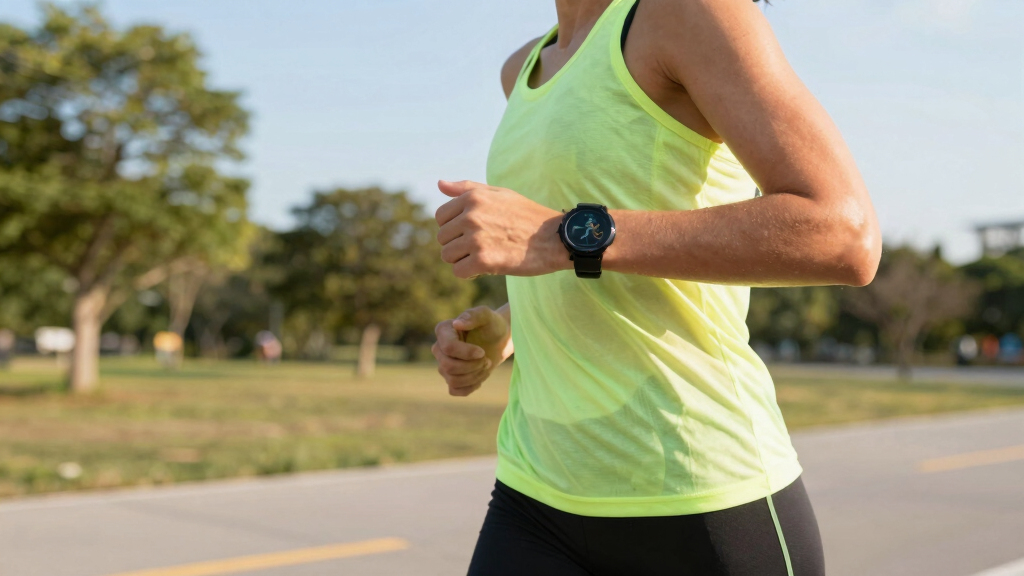
How We Picked
To determine the best accurate running distance trackers, I evaluated each product based on GPS precision, usability, build quality, and battery life. I prioritized models designed specifically for runners, with features like detailed metrics, durability, and ease of use. Products were ranked higher if they delivered consistently accurate distance data across different running conditions. I also considered value, assessing whether higher-priced models offered significant performance benefits over more affordable options. The goal was to identify trackers that combine precision with practical usability for a range of runner types.Factors to Consider When Choosing Accurate Running Distance Trackers
Choosing the right running distance tracker involves more than just accuracy. It’s essential to consider how the device fits your training style, comfort preferences, and budget. The following factors can help you identify which features matter most and avoid common pitfalls in your purchase.GPS Accuracy and Signal Reliability
For a running distance tracker, GPS precision is paramount. Look for devices with multi-satellite support (GPS, GLONASS, Galileo) to ensure consistent signal reception, especially in urban or wooded areas. Cheaper models or those with limited GPS support can result in inaccurate distance measurements, which undermine training progress. Remember, even the best GPS can struggle in dense environments, so consider models with advanced algorithms that compensate for signal loss.
Battery Life and Usage Duration
Longer battery life means fewer interruptions during extended runs or races. Most high-end GPS watches offer 10-20 hours of continuous use, but some models excel with 30+ hours. If you train daily or participate in ultramarathons, prioritize devices with extended battery life. Conversely, lighter models with shorter battery spans may suffice for casual runners and daily workouts, helping you save weight and cost.
Usability and Display Quality
A clear, responsive display makes it easier to monitor metrics during a run. AMOLED screens provide vibrant visuals but can consume more power, while transflective displays are more power-efficient but may be harder to read in bright sunlight. Consider whether you prefer touchscreens or button controls, especially if you wear gloves or prefer a more tactile experience. Ease of setup and navigation also significantly impact daily use.
Additional Features and Metrics
Beyond distance, many runners look for heart rate monitoring, built-in maps, training plans, and music storage. Decide which extras align with your training style. For example, if you do interval training, detailed lap and pace metrics matter; for triathletes, multisport modes are beneficial. Be cautious of overly complex devices that may overwhelm beginners, but recognize that advanced features can boost your training efficiency when understood and used properly.
Price and Value for Your Needs
More expensive models often provide higher accuracy and additional features, but they may be unnecessary for casual runners. Conversely, budget options might deliver acceptable accuracy but lack durability or advanced metrics. Balance your budget with the features you truly need. Sometimes, investing in a slightly pricier model yields better long-term value through increased durability, accuracy, and usability.
Frequently Asked Questions
How do I know if a running tracker is accurate enough for serious training?
Accuracy for serious training depends on the device’s GPS support and signal processing. Look for models with multisatellite support and positive user reviews regarding consistency. It’s also wise to verify if the device’s manufacturer guarantees accuracy in different environments, such as urban areas or wooded trails. Keep in mind that no GPS device is perfect, but high-quality models tend to provide reliable data for most training needs.
Can I use a running tracker for outdoor and indoor runs interchangeably?
Many GPS running trackers are optimized for outdoor use, relying on satellite signals for precise distance measurement. Indoor runs, on the other hand, often require accelerometer-based tracking if GPS isn’t available inside. Some advanced models combine GPS with built-in accelerometers to provide reasonable estimates indoors, but their accuracy may vary. For indoor training, consider a device with dedicated indoor tracking features or use compatible treadmill data.
Does a more expensive running tracker always mean better accuracy?
Generally, higher-priced models tend to offer better GPS precision and additional features, but this isn’t a strict rule. Some mid-range devices perform comparably in terms of accuracy, especially in open areas. The key is to match the device’s capabilities with your specific needs—serious athletes may benefit from premium features, while casual runners might find budget models sufficiently accurate. Always check user reviews and technical specs before making a decision.
How important is battery life for accuracy and usability?
Battery life significantly impacts usability, especially for long runs or multi-day training. A device with limited battery life may shut down mid-activity, disrupting data collection. While battery capacity doesn’t directly influence accuracy, a device that lasts longer allows for more consistent tracking without interruptions. For extended training sessions, prioritize models with at least 10-20 hours of battery life or more.
Are there trackers that combine accuracy with lightweight comfort?
Yes, many ultralight GPS watches and fitness bands are designed with comfort in mind without sacrificing significant accuracy. Devices like the COROS PACE 4 and PACE 3 are known for their lightweight build and reliable GPS performance. When choosing such models, ensure they also have a comfortable strap and a user-friendly interface, so they don’t detract from your running experience while providing dependable data.
Conclusion
For most runners, the Garmin Forerunner 965 offers the best overall balance of accuracy, features, and usability, making it ideal for serious training. Budget-conscious runners or beginners will find the Garmin Forerunner 55 a reliable choice that balances cost and performance. Athletes seeking the utmost precision and advanced metrics might prefer the Garmin Forerunner 970 or COROS PACE 4. Finally, those prioritizing comfort and smart features should consider the Garmin vívoactive 5. Your ideal tracker depends on your training volume, goals, and willingness to invest in accuracy and extras.
Fall Picks
fall essentials
As an affiliate, we earn on qualifying purchases.