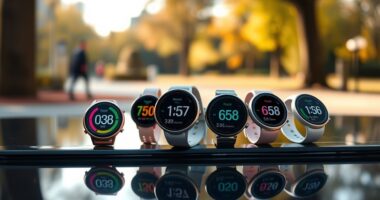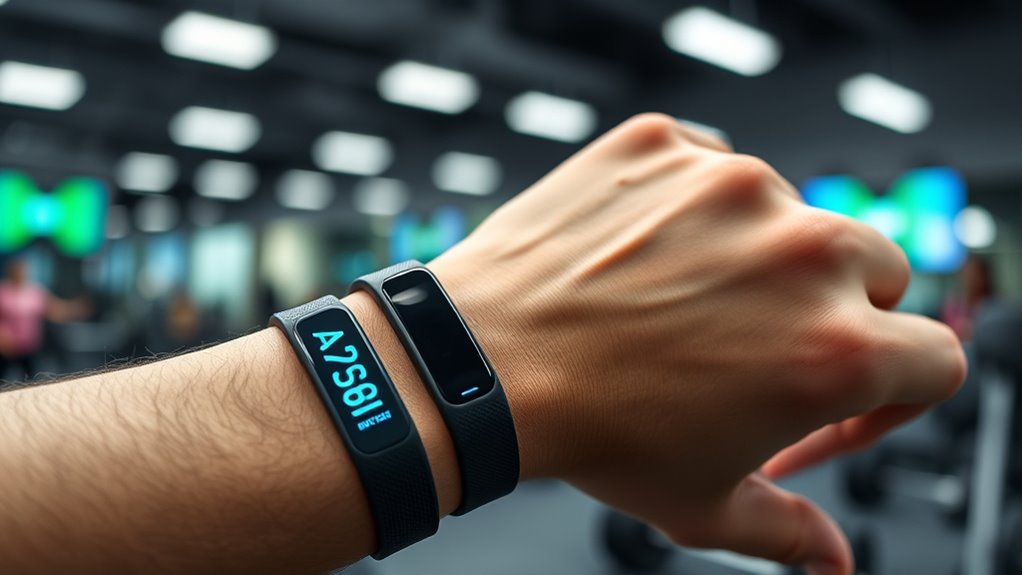

The best fitness trackers for athletes balance reliable training data with a comfortable design and features that suit the sports you actually do. Garmin vívoactive 5 is the strongest all-around pick here for athletes who want built-in GPS and a broad smartwatch feature set. For a screenless approach focused on training and recovery, WHOOP 5.0 stands out, while the STATSports Academy GPS Soccer Tracker Vest is the specialist option for soccer players. The main tradeoffs are sport-specific performance versus everyday versatility, and detailed tracking versus a simpler, less distracting wearable. Read on for the full breakdown of all 15 options and help choosing the right type for your training.

Get workout gear delivered free with Prime
- Fast, free delivery on millions of items
- Prime Video, Amazon Music and more included
- Member-only deals all year
Complete the kit


Key Takeaways
- Garmin vívoactive 5 leads for all-around training because built-in GPS and smartwatch functions make it more versatile for athletes than the basic trackers centered on activity and wellness monitoring.
- WHOOP 5.0 and Fitbit Air are screenless alternatives, but their membership terms and training emphasis make them a different kind of commitment than a conventional watch-style tracker.
- STATSports Academy is the clearest sport-specific pick: its soccer vest format serves a narrower purpose than the wrist-worn models, so it is a poor match for someone seeking an everyday watch.
- Many budget-style listings emphasize health metrics and sport-mode counts, but those labels alone do not establish the accuracy, depth, or training usefulness of their measurements.
- Fit, interface, and data habits can outweigh a long feature list: athletes who want quick workout feedback may prefer a screen, while those who want less distraction may favor a screenless device.




| fitness trackers for athlete | Battery life | Display | Compatibility | Water resistance |
|---|---|---|---|---|
| Fitness Tracker Smart Watch fo | — | 1.47-inch TFT | Android and iOS | IP68 |
| Fitness Tracker with 24/7 Hear | Up to 7 days | 1.1-inch AMOLED color touchscreen | Android 5.0+ and iOS 9.0+ | — |
| WHOOP 5.0 Screenless Fitness a | 14+ days | — | — | — |
| Fitness Tracker with Heart Rat | Up to 7 days regular use; up to 15 days standby | 1.1-inch AMOLED color touchscreen | Android 5.0+ and iOS 9.0+ | — |
| Garmin vívoactive 5 GPS Smartw | Up to 11 days in smartwatch mode | AMOLED touchscreen | — | — |
| Fempoin Smart Watch for Men an | 5–7 days of normal use; up to 30 days standby | 1.47-inch HD color touchscreen | iOS 9.0+ and Android 6.0+ | IP68 |
| MorePro Fitness Tracker with H | Up to 7 days | 1.57-inch touchscreen | Android 7.0+ and iOS 13.0+ | IP68 |
| Bakoor C60 Fitness Tracker Sma | Up to 7 days of use; up to 15 days standby | 1.10-inch AMOLED touchscreen | Android 5.0+ and iOS 9.0+ | IP68 |
| Google Fitbit Air Special Edit | Up to 7 days | No display | Android 11.0+ and iOS 16.4+ | Up to 50 meters |
| Google Fitbit Air Screenless A | Up to 7 days | Screenless | Android 11.0+ and iOS 16.4+ | — |
| Fitness Tracker with Heart Rat | — | 1.10-inch AMOLED touchscreen | Android and iOS phones | — |
| STATSports Academy GPS Soccer | 6 hours | — | iOS and Android | Listed to 1 meter |
| WHOOP 5.0/MG Activity Tracker | 14+ days | — | — | — |
| Zeacool Fitness Tracker with 2 | 10–14 days of regular use; up to 30 days standby | 1.47-inch AMOLED touchscreen | iPhone and Android | IP68; depth limit not specified |
| Smart Watch for Women and Men | 7–9 days typical use; up to 30 days standby | 1.83-inch HD touchscreen | Android and iPhone | IP68 |
More Details on Our Top Picks
Fitness Tracker Smart Watch for Women and Men with Heart Rate, Blood Pressure, Blood Oxygen, Sleep Monitoring, and Waterproof Design
This tracker suits athletes who want a broad set of everyday health readings and sports modes in a larger, easy-to-read format. Its 1.47-inch TFT display is roomier than the 1.1-inch AMOLED screens on the two similar fitness trackers in this lineup, though those alternatives offer a more vivid display. The listing also mentions GPS tracking, a useful distinction for route-focused workouts, but does not clarify whether GPS is built into the watch or depends on a connected phone. Heart rate, blood oxygen, blood pressure, and sleep monitoring round out its wellness features; these readings should be treated as estimates rather than medical measurements. IP68 water resistance and Android/iPhone compatibility suit daily wear, but the battery duration is unspecified. I’d pick it over the smaller-screen alternatives for display space and listed GPS, not for athletes seeking detailed training analysis.
Pros:- Larger 1.47-inch screen than the 1.1-inch trackers in this roundup
- Tracks heart rate, blood oxygen, blood pressure, and sleep
- Multiple sports modes and GPS functionality are listed
- Compatible with Android and iPhone
Cons:- Battery life duration is not specified
- GPS implementation is not clarified as built-in or phone-connected
- TFT display is less vivid than the AMOLED screens on comparable models
Best for: Athletes who want a larger screen, multiple sports modes, and everyday wellness tracking across Android or iPhone.
Not ideal for: Runners or cyclists who need confirmed built-in GPS, detailed performance analysis, or a stated battery runtime.
- Display:1.47-inch TFT
- Water resistance:IP68
- Connectivity:Bluetooth
- Compatibility:Android and iOS
- Health monitoring:Heart rate, blood pressure, blood oxygen, and sleep
- Workout features:Multiple sports modes; GPS functionality listed
- Band:Silicone with tang buckle
- Color:Pink
Our verdict“Choose this tracker if you value a larger display and broad everyday tracking more than verified GPS details or advanced training tools.”
Fitness Tracker with 24/7 Heart Rate, Blood Pressure, Sleep Tracking, Calorie, and Activity Monitoring, 1.1″ AMOLED Color Screen, Waterproof for Android and iPhone
The main case for this tracker is a compact 1.1-inch AMOLED screen paired with a stated battery life of up to seven days. That combination is more appealing for athletes who prefer a smaller wrist profile than the larger display on the first tracker in this batch, while its colorful screen should look sharper than that model’s TFT panel. It covers 25 sports modes alongside heart rate, blood pressure, blood oxygen, sleep, and activity tracking, making it suitable for general workout logging rather than highly specific training plans. Unlike the Garmin vívoactive 5, however, its listing does not mention built-in GPS, recovery tools, or music storage. The phone compatibility range is stated, but app capabilities are not described in detail. I’d choose it for compact daily tracking, not for route-based training or deeper performance feedback.
Pros:- Compact 1.1-inch AMOLED color touchscreen
- Up to seven days of battery life is stated
- Offers 25 sports modes and several health-tracking measures
- Supports Android 5.0+ and iOS 9.0+
Cons:- Built-in GPS is not listed
- App features and training insights are not described in detail
- Battery runtime may vary with use
Best for: Athletes who want a small-screen tracker with AMOLED visuals, basic workout coverage, and a stated multi-day battery life.
Not ideal for: Outdoor runners and cyclists who want built-in GPS, or athletes seeking detailed training and recovery tools.
- Display:1.1-inch AMOLED color touchscreen
- Battery life:Up to 7 days
- Waterproofing:Waterproof; rating not specified
- Sports modes:25
- Health monitoring:Heart rate, blood pressure, blood oxygen, and sleep
- Activity tracking:Calories and activity levels
- Compatibility:Android 5.0+ and iOS 9.0+
- Charging:Fast magnetic charging
Our verdict“Pick this model for compact AMOLED-based everyday tracking, but choose the Garmin vívoactive 5 for built-in GPS and more developed workout features.”
WHOOP 5.0 Screenless Fitness and Health Wearable with 12-Month Peak Membership
WHOOP 5.0 takes a different approach from the screen-based trackers here: it centers the experience on continuous monitoring and app-based coaching, not glances at a watch face. Its range of sleep, heart-rate, HRV, respiratory-rate, blood-oxygen, skin-temperature, and stress metrics gives recovery-minded athletes more context than the basic activity and health tracking described for the two 1.1-inch AMOLED trackers. The 14+ day battery life and wrist-worn PowerPack also support continuous wear without taking the device off to charge. The tradeoff is substantial for buyers who want independence: using the device and app requires the included 12-month Peak membership, and there is no screen for live workout stats. Compared with the Garmin vívoactive 5, WHOOP is more focused on recovery insights, while Garmin offers built-in GPS, sports apps, and on-device display.
Pros:- Tracks a broad range of sleep, recovery, and health metrics
- 14+ days of battery life
- PowerPack charges the wearable while it remains on the wrist
- App provides personalized insights and coaching
Cons:- Use of the device and app requires a 12-month Peak membership
- Screenless design prevents viewing metrics directly on the wearable
- Workout display and built-in GPS are not listed
Best for: Athletes who prioritize sleep, recovery trends, and app-guided coaching and are comfortable with a membership-based, screenless wearable.
Not ideal for: Athletes who want live metrics on their wrist, built-in GPS workout tracking, or a wearable that does not require a membership.
- Device:Screenless wearable
- Included membership:12-month WHOOP Peak
- Battery life:14+ days
- Monitoring:Heart rate, resting heart rate, HRV, respiratory rate, blood oxygen, skin temperature, sleep, and stress
- Included band:SuperKnit
- Charging accessory:Waterproof Wireless PowerPack
- PowerPack water resistance:IP68; up to 10 meters for 2 hours
- App integrations:Apple Health, Google Health Connect, Natural Cycles, Withings, Peloton, and Strava
Our verdict“Choose WHOOP 5.0 if recovery insights matter more than a watch display or standalone GPS, and you accept the required membership.”
Fitness Tracker with Heart Rate, Blood Pressure, Sleep Monitoring, and AMOLED Screen
This model is a straightforward option for athletes who want a bright screen, core health tracking, and a defined set of workout modes without the broader smartwatch features of the Garmin vívoactive 5. It shares a 1.1-inch AMOLED display and 25 sports modes with the other compact tracker in this batch, but its listed battery figures are more specific: up to seven days in regular use and 15 days on standby. Magnetic fast charging can make routine top-ups less fussy. The tradeoff is that notifications depend on a Bluetooth connection, and the stated phone support starts at Android 5.0 and iOS 9.0. Compared with WHOOP 5.0, this tracker provides a screen and sports modes, but its listing describes less extensive recovery analysis and coaching. It fits general activity monitoring better than athletes who need GPS routes or advanced training data.
Pros:- 1.1-inch AMOLED touchscreen
- Supports 25 sports modes
- Up to 7 days of regular-use battery life and 15 days standby
- Magnetic fast charging
Cons:- Built-in GPS is not listed
- Notifications require a Bluetooth connection
- Battery life can fall with intensive use
Best for: Athletes who want a compact AMOLED tracker for everyday activity and common workouts, with clear battery and charging details.
Not ideal for: Athletes who need built-in GPS, advanced recovery coaching, or smartphone notifications without a Bluetooth connection.
- Display:1.1-inch AMOLED color touchscreen
- Battery life:Up to 7 days regular use; up to 15 days standby
- Charging:Magnetic fast charging
- Sports modes:25
- Waterproofing:Waterproof; rating not specified
- Health monitoring:Heart rate, blood pressure, blood oxygen, and sleep
- Compatibility:Android 5.0+ and iOS 9.0+
- Notifications:Requires Bluetooth connection
Our verdict“Choose this tracker for simple screen-based workout and daily health tracking, but look to the Garmin vívoactive 5 for built-in GPS and broader sports features.”
Garmin vívoactive 5 GPS Smartwatch, 42 mm, Black
Among these five, the Garmin vívoactive 5 is the strongest fit for athletes who want a capable training watch rather than only a health tracker. Built-in GPS records outdoor activities without relying on a phone connection, while more than 30 indoor and GPS sports apps give it broader workout coverage than the 25-mode compact trackers. Its up to 11 days of smartwatch battery life also exceeds their stated seven-day runtime, although active GPS use may affect endurance. Health, sleep, workout, and recovery features add useful context, and music storage can reduce the need to carry a phone during exercise. In contrast with WHOOP 5.0, Garmin has a screen and does not list a required membership, but it offers a less recovery-centered approach than WHOOP’s app coaching. Some smart features need a paired phone, and its health metrics are estimates.
Pros:- Built-in GPS for outdoor activity tracking
- More than 30 indoor and GPS sports apps
- Up to 11 days of battery life in smartwatch mode
- Includes music storage, notifications, and Garmin Pay
Cons:- Some smart features require pairing with a smartphone
- Health metrics are estimates rather than clinical measurements
- Battery life can vary with GPS and other feature use
Best for: Runners, cyclists, and multisport athletes who want built-in GPS, a display, broad workout options, and smartwatch features in one device.
Not ideal for: Athletes who prefer a screenless recovery wearable, want all smart features to work without a phone, or need clinical-grade health measurements.
- Display:AMOLED touchscreen
- Case size:42 mm
- Battery life:Up to 11 days in smartwatch mode
- GPS:Built-in
- Sports apps:More than 30 indoor and GPS sports apps
- Connectivity:Bluetooth, USB, and Wi-Fi
- Smart features:Notifications, music storage, and Garmin Pay
- Weight:1.31 ounces
Our verdict“For athletes who want GPS, varied sports tracking, and smartwatch features together, the vívoactive 5 is the most complete choice in this group.”
Fempoin Smart Watch for Men and Women, 1.47″ HD Screen, Fitness Tracker with 110+ Sport Modes, IP68 Waterproof, Heart Rate and Sleep Monitoring
I’d choose the Fempoin when a broad menu of tracked activities matters more than advanced training analysis. Its 110+ sport modes give multisport exercisers plenty of ways to log workouts, while the 1.47-inch touchscreen makes notifications and workout information easier to view than on the smaller Bakoor C60 display. Heart-rate, SpO2, and sleep monitoring add everyday context, but the supplied information does not describe built-in GPS or detailed athlete-focused metrics such as training load. The IP68 rating suits routine water exposure, not hot water or seawater, and full functionality depends on a paired phone. Battery life is listed as five to seven days with normal use, so frequent screen or sensor use may shorten time between charges. I’d skip it if precise route tracking is a priority.
Pros:- More than 110 sport modes cover a wide range of workout types.
- The 1.47-inch HD touchscreen is larger than the Bakoor C60’s 1.10-inch display.
- Tracks heart rate, SpO2, and sleep for everyday wellness context.
- IP68 water resistance suits routine exposure to water.
Cons:- No built-in GPS is listed, limiting standalone route tracking.
- Not recommended for hot water or seawater.
- Full functionality requires a smartphone connection, and battery life varies with use.
Best for: Multisport exercisers who want many activity modes, a readable touchscreen, and basic health tracking in one watch.
Not ideal for: Runners and cyclists who want built-in GPS, advanced performance analytics, or reliable use without a connected smartphone.
- Display:1.47-inch HD color touchscreen
- Sport modes:110+
- Water resistance:IP68
- Battery life:5–7 days of normal use; up to 30 days standby
- Compatibility:iOS 9.0+ and Android 6.0+
- Charging time:2 hours
Our verdict“Choose the Fempoin if you want a large-screen watch with extensive activity modes, but skip it for standalone GPS or deeper athlete analytics.”
MorePro Fitness Tracker with Heart Rate, Blood Pressure, and 2 Bands
The MorePro distinguishes itself with a wider set of wellness readings than the Fempoin, adding blood pressure tracking to heart-rate and blood-oxygen monitoring. That makes it a fit for athletes who like checking multiple daily indicators alongside workouts, though these readings are not a substitute for clinical measurements. Its 112 sport modes are close to Fempoin’s offering, so the choice between them is less about workout variety and more about MorePro’s health features, two included bands, and smaller 1.57-inch display listing. The nylon and silicone options let me match the band to different routines, while up to seven days of battery life reduces charging interruptions. I’d be cautious if phone compatibility is an issue: it requires Android 7.0+ or iOS 13.0+, and it does not work with tablets or PCs.
Pros:- Tracks heart rate, blood pressure, blood oxygen, and sleep stages.
- Includes interchangeable silicone and nylon bands.
- Offers 112 sport modes and up to seven days of battery life.
- More than 200 watch faces provide extensive appearance customization.
Cons:- Blood-pressure and other health readings are not clinical measurements.
- Requires Android 7.0+ or iOS 13.0+ and is not compatible with tablets or PCs.
- Workout mode count is similar to the Fempoin rather than a clear step up.
Best for: Smartphone users who want broad workout logging, extra wellness readings, and both silicone and nylon band options.
Not ideal for: Buyers who need clinically reliable blood-pressure readings, tablet or PC compatibility, or support for older phone operating systems.
- Display:1.57-inch touchscreen
- Sports modes:112
- Health tracking:Heart rate, blood pressure, and blood oxygen
- Water resistance:IP68
- Battery life:Up to 7 days
- Connectivity:Bluetooth LE 5.2
- Compatibility:Android 7.0+ and iOS 13.0+
- Included bands:Silicone and nylon
Our verdict“Pick the MorePro over the Fempoin if you value extra wellness readings and two band styles, provided your phone meets its compatibility requirements.”
Bakoor C60 Fitness Tracker Smartwatch with 24/7 Heart Rate, Blood Pressure Monitor, Sleep Tracking, 1.10″ AMOLED Screen, Waterproof
The Bakoor C60 is the compact-screen option here: its 1.10-inch AMOLED display is smaller than the screens on the MorePro and Fempoin, which can suit buyers who want a less prominent watch face but leaves less room for workout details and notifications. Its 25 sport modes also make it a more focused tracker than those two models, rather than the pick for logging every activity type. Heart-rate, blood-pressure, sleep, and female-health tracking broaden its daily use, but health readings are for reference, not medical decisions. The listed battery life reaches seven days, with a two-hour charge, and IP68 protection covers routine water exposure. I’d weigh the stated lack of a manufacturer warranty carefully; compared with the Fitbit Air, it gives you a screen but lacks the Fitbit’s specified 50-meter water resistance.
Pros:- AMOLED touchscreen provides color and contrast in a compact 1.10-inch format.
- Tracks heart rate, blood pressure, sleep, and female health.
- Offers up to seven days of use and a two-hour charging time.
- IP68 water resistance supports routine water exposure.
Cons:- Its 25 sport modes are far fewer than the MorePro’s 112 or Fempoin’s 110+.
- No manufacturer warranty is provided in the product information.
- Health readings are for reference only, and intensive GPS use may affect battery life.
Best for: Buyers who prefer a compact AMOLED watch face and want basic workout tracking with everyday wellness features.
Not ideal for: Athletes who need many sport profiles, warranty coverage, medical-grade readings, or built-in GPS for phone-free route recording.
- Model:C60
- Display:1.10-inch AMOLED touchscreen
- Sports modes:25
- Water resistance:IP68
- Battery life:Up to 7 days of use; up to 15 days standby
- Charging time:2 hours
- Compatibility:Android 5.0+ and iOS 9.0+
- Color:Black
Our verdict“Choose the Bakoor C60 for a compact AMOLED screen and basic tracking, but look to the Fempoin or MorePro for broader sport-mode coverage.”
Google Fitbit Air Special Edition Stephen Curry Screenless Fitness Tracker, Rye
I’d rank the Fitbit Air Stephen Curry Special Edition as the strongest fit for athletes who would rather wear a low-profile band than check a watch face. Unlike the touchscreen Fempoin or MorePro, it has no display, so workout and notification information stays on a connected phone instead of the wrist. Its sensor set tracks heart rate, movement, skin-temperature variation, and blood oxygen, while water resistance up to 50 meters is specified more clearly than the IP68 ratings on those watches. The micro-adjustable band and quick charge support all-day and overnight wear, but its GPS depends on a smartphone. Personalized coaching also requires a separate membership after the trial. I’d choose it for unobtrusive tracking and sleep wear, not for athletes who want on-device workout controls or standalone route data.
Pros:- Screenless, micro-adjustable band is designed for workouts, daily wear, and sleep.
- Tracks heart rate, movement, skin-temperature variation, and blood oxygen.
- Water resistance is specified up to 50 meters.
- Five minutes of charging provides up to one day of battery life.
Cons:- No screen means workout information is not visible on the tracker.
- GPS requires a connected smartphone.
- Personalized coaching requires a separate membership after the trial.
Best for: Athletes who want a screen-free band for continuous wear, sleep tracking, and phone-connected GPS workouts.
Not ideal for: Runners who want built-in GPS, visible on-device workout information, or coaching without a separate membership.
- Display:No display
- Band:Google Performance Loop; one size for 130–210 mm
- Weight:49 g
- Water resistance:Up to 50 meters
- Battery life:Up to 7 days
- Quick charging:5 minutes provides up to 1 day of battery life
- GPS:Via smartphone
- Compatibility:Android 11.0+ and iOS 16.4+
Our verdict“Choose this Fitbit Air edition if comfortable, low-profile wear matters more than a screen or standalone GPS.”
Google Fitbit Air Screenless Activity Tracker, Obsidian
The Fitbit Air in Obsidian shares the screen-free design and core sensor approach of the Stephen Curry Special Edition, so I’d treat the two as close alternatives rather than different performance classes. This version makes the most sense for athletes seeking a minimalist, adjustable band for work, exercise, and sleep, without a display competing for attention. Like the Stephen Curry edition, it tracks heart rate, movement, skin-temperature variation, and blood oxygen, offers up to seven days of battery life, and gets up to a day of use from a five-minute charge. Its stated GPS is smartphone-connected, so it is less self-contained than a watch with built-in GPS. Optional coaching requires a separate subscription after the trial. The listed specs do not include the Stephen Curry edition’s 50-meter water-resistance rating, so I’d favor that version for explicit swim-use guidance.
Pros:- Screenless format and adjustable band suit discreet daily and sleep wear.
- Tracks heart rate, movement, skin-temperature variation, and blood oxygen.
- Five-minute quick charge provides up to one day of battery life.
- Up to seven days of listed battery life reduces frequent charging.
Cons:- GPS requires a connected smartphone.
- No display means workout details are not visible on the tracker.
- Google Health Premium coaching requires a separate subscription after the trial.
Best for: Athletes who want a low-profile tracker for continuous daily and sleep wear and already carry a phone for GPS.
Not ideal for: Swimmers seeking a stated water-resistance depth, or athletes who want a screen, built-in GPS, or coaching without an added membership.
- Display:Screenless
- Fit:One size, adjustable for 130–210 mm
- Band material:Google Performance Loop Band
- Battery life:Up to 7 days
- Quick charging:5 minutes provides up to 1 day of battery life
- GPS:Via smartphone
- Compatibility:Android 11.0+ and iOS 16.4+
- Storage:64 MB
Our verdict“Pick the Obsidian Fitbit Air for minimalist, phone-connected tracking, but choose the Stephen Curry edition if its specified 50-meter water resistance matters.”
Fitness Tracker with Heart Rate/Blood Oxygen/Sleep Monitor, 20+ Sports Modes Smart Watches for Women/Men, Activity & Step Tracker Smart Watch for Android/iOS Phones
I’d pick this model for athletes who want a small, bright screen and basic activity tracking without a large watch face. Its 1.10-inch AMOLED display is more compact than the 1.47-inch screen on the Zeacool, which may be less intrusive during workouts or under snug sleeves. It also records heart rate, sleep, steps, distance, and calories, with 25 selectable sport modes through the Keep Health app. That breadth suits general training logs, but the listing does not describe built-in GPS or detailed performance analytics, so runners who need pace and route data should look elsewhere. Compared with the soccer-specific STATSports Academy, this is a lighter everyday option, not a field-performance system. I’d also treat its blood pressure and temperature readings as wellness estimates rather than medical measurements.
Pros:- Compact 1.10-inch AMOLED touchscreen
- Offers 25 selectable sport modes
- Tracks heart rate, blood oxygen, sleep, steps, distance, and calories
- Includes reminders and phone-connected convenience features
Cons:- No built-in GPS or detailed performance analytics are specified
- Battery capacity is listed as 120 mAh, with no runtime stated
- Blood pressure and temperature readings are not presented as medical-grade measurements
Best for: Athletes who want a compact AMOLED tracker for everyday activity, sleep, and general workout records, and are comfortable carrying a phone for connected features.
Not ideal for: Runners and field-sport athletes who need built-in GPS, detailed training metrics, or verified medical-grade readings.
- Display:1.10-inch AMOLED touchscreen
- Sport modes:25 selectable modes
- Health tracking:Heart rate, blood oxygen, blood pressure, sleep, and temperature
- Activity tracking:Steps, distance, and calories
- App:Keep Health
- Compatibility:Android and iOS phones
- Battery capacity:120 mAh
- Charge time:About 2 hours
Our verdict“Choose this for compact everyday tracking and a bright small display, but pick the STATSports Academy or a GPS-focused watch for serious performance analysis.”
STATSports Academy GPS Soccer Tracker Vest
For soccer players, this is the clearest specialist pick in the group: the GPS pod and fitted vest are designed to capture movement on the pitch, not just count steps during the day. Its 24 metrics include speed, distance, sprints, exertion, and heart-rate zones, giving athletes and coaches more useful training context than the broad sport-mode lists on the Zeacool or the 1.83-inch smartwatch. App access also adds drills, plans, coaching, nutrition, and recovery guidance, so the data has a path toward training decisions. The tradeoff is a narrow focus: it is less suited to all-day wear and general smartwatch tasks. I’d also plan around the stated six-hour battery life and 1-meter water resistance, both more limited than the everyday positioning of the other trackers.
Pros:- Tracks 24 soccer-relevant metrics, including speed, distance, and sprints
- Built-in GPS supports on-field movement tracking
- Includes a vest, GPS pod, charging cable, and app access
- App offers training, coaching, nutrition, and recovery guidance
Cons:- Listed battery life is six hours
- Water resistance is specified to 1 meter
- Soccer-focused vest format is less versatile for everyday smartwatch use
Best for: Soccer players and coaches who want GPS-based records of speed, sprinting, distance, exertion, and heart-rate zones during training.
Not ideal for: Athletes seeking an all-day smartwatch, multi-sport wearable, or device for swimming and extended sessions.
- Metrics:24
- GPS:Built-in GPS
- Connectivity:Bluetooth
- Battery life:6 hours
- Battery capacity:1000 mAh
- Charge time:2 hours
- Water resistance:Listed to 1 meter
- Compatibility:iOS and Android
- Included:GPS tracker pod, STATSports Vest 2.0, charging cable, and app access
Our verdict“Choose the STATSports Academy if soccer training data matters more than all-day convenience or broad sport coverage.”
WHOOP 5.0/MG Activity Tracker with 12-Month Membership and Accessories
I’d rank the WHOOP 5.0/MG for athletes who care more about sleep, recovery, and ongoing health trends than seeing stats on their wrist mid-workout. Its screenless design and 14-plus-day battery support continuous wear, while personalized coaching is intended to turn monitoring into adaptive recommendations. The included SuperKnit Luxe band and waterproof PowerPack add flexibility for extended wear and charging. Compared with the STATSports Academy, WHOOP is broader in its health focus but does not offer the same soccer-specific GPS metric set in the supplied details. It also differs from the Zeacool and other screen-based watches: there are no on-device notifications or glanceable workout displays. The 12-month membership is part of this package, but full features require a subscription, making ongoing service dependence its main ownership tradeoff.
Pros:- More than 14 days of stated battery life
- Screenless design supports continuous, low-distraction wear
- Includes personalized coaching and sleep and stress monitoring
- Package includes a SuperKnit Luxe band and waterproof Wireless PowerPack
Cons:- No display or wrist notifications for real-time workout checks
- Full feature access requires a membership after the included 12 months
- Does not provide the soccer-specific 24-metric detail listed for STATSports Academy
Best for: Athletes who wear a tracker around the clock and want sleep, recovery, stress, and health insights with personalized coaching rather than a wrist display.
Not ideal for: Athletes who need live workout stats, phone notifications on their wrist, built-in GPS details, or a tracker without recurring membership requirements.
- Device type:Screenless activity and health tracker
- Battery life:14+ days
- Included membership:12 months
- Monitoring:Sleep, heart rate, stress, menstrual cycle, ECG, and blood pressure insights
- Coaching:Personalized coaching with adaptive recommendations
- Band:SuperKnit Luxe
- Charging accessory:Waterproof Wireless PowerPack
Our verdict“Choose WHOOP if recovery and continuous health trends guide your training, but skip it if you want live stats or to avoid membership dependence.”
Zeacool Fitness Tracker with 24/7 Heart Rate, Blood Oxygen Sleep Monitor, 123 Sports Modes Calories Smart Watch, IP68 Waterproof Step Counter Activity Trackers Health Pedometer for Women Men (Black)
The Zeacool’s main appeal is its 123 sport modes, giving athletes more activity labels to choose from than the 25 modes on the compact C60 tracker. It pairs that menu with a larger 1.47-inch AMOLED touchscreen, sleep scoring, heart-rate and blood-oxygen monitoring, and an advertised 10–14 days of regular-use battery life. For someone switching among gym sessions, outdoor activities, and everyday movement, that mix offers more flexibility than the soccer-only STATSports vest. But a long mode list is not the same as deeper performance analysis: the product details do not specify built-in GPS or advanced training metrics. Its IP68 claim is also broad, while the listing’s swimming and diving language does not provide a tested depth limit. I’d treat it as a general-purpose tracker, not a specialist aquatic or race-training instrument.
Pros:- Offers 123 sport modes
- Large 1.47-inch AMOLED touchscreen
- Advertises 10–14 days of regular-use battery life
- Includes IP68 water- and dust-resistance claim and sleep scoring
Cons:- Built-in GPS and advanced performance metrics are not specified
- Water-depth limit is not stated despite swimming and diving claims
- Uses the Da Fit app for recorded activity and health data
Best for: Multi-activity athletes who want a large AMOLED display, many selectable workout modes, and basic health and sleep tracking in one everyday watch.
Not ideal for: Performance-focused runners who need specified GPS and detailed workout analytics, or swimmers who need a clearly stated water-depth rating.
- Display:1.47-inch AMOLED touchscreen
- Sport modes:123
- Health tracking:Heart rate, blood oxygen, sleep, and temperature
- Activity tracking:Steps, distance, and calories
- Water resistance:IP68; depth limit not specified
- Battery life:10–14 days of regular use; up to 30 days standby
- App:Da Fit
- Compatibility:iPhone and Android
Our verdict“Choose the Zeacool for broad activity selection and a larger screen, but choose STATSports for soccer metrics or a GPS watch for route-based training.”
Smart Watch for Women and Men with Heart Rate, Blood Pressure, Sleep Tracking, 120+ Sport Modes, IP68 Waterproof, Bluetooth Calling, HD Touchscreen
This smartwatch makes the most sense for athletes who want workouts and phone functions in one device. Its 1.83-inch touchscreen, Bluetooth calling, and smart notifications make it more useful for staying connected than the screenless WHOOP 5.0/MG, while 120-plus sport modes cover a wide range of everyday activities. Heart-rate, blood-pressure, blood-oxygen, and sleep tracking round out the wellness features. The tradeoff is that the listing gives little detail about workout depth: there is no specified built-in GPS or specialized performance analysis like the STATSports Academy’s speed, sprint, and exertion metrics. The large display may also feel bulky during training, especially compared with the smaller C60. I’d view the health readings as general tracking rather than medical measurements, and expect to sync with the app for fuller records.
Pros:- Supports more than 120 sport modes
- Bluetooth calling and smart notifications add everyday utility
- Tracks heart rate, blood pressure, blood oxygen, and sleep
- IP68 water resistance and up to 7–9 days of typical-use battery life
Cons:- Large 1.83-inch display may feel bulky during workouts
- Built-in GPS and specialized performance metrics are not specified
- Full functionality depends on app synchronization
Best for: Athletes who want a large-screen daily smartwatch with calls, notifications, broad activity modes, and basic health tracking.
Not ideal for: Runners needing specified onboard GPS, athletes seeking detailed training or recovery analysis, and anyone who prefers a compact or screenless wearable.
- Display:1.83-inch HD touchscreen
- Sport modes:120+
- Health tracking:Heart rate, blood pressure, blood oxygen, and sleep
- Water resistance:IP68
- Battery life:7–9 days typical use; up to 30 days standby
- Connectivity:Bluetooth calling and smart notifications
- Compatibility:Android and iPhone
Our verdict“Choose this if calls and notifications matter alongside broad workout coverage, but opt for the STATSports Academy or WHOOP for more focused athletic analysis.”
How We Picked
I ranked these products by how well their stated features serve athletic training, not by the length of their specification lists. The main criteria were sport and workout support, GPS usefulness where specified, ease of checking data during activity, comfort for repeated wear, and versatility outside training. I also looked at the difference between dedicated sports tools, screenless recovery-oriented wearables, and general-purpose watches or trackers, since each serves a different athlete.
The ranking favors products with a clear athletic role and a practical reason to choose them. Garmin vívoactive 5 earns the overall lead for combining GPS and everyday smartwatch use; WHOOP and Fitbit Air are distinguished by their screenless approach, while STATSports ranks as a specialist choice rather than a general tracker. The remaining models are compared according to their stated activity features and usability cues, with a cautious view of broad claims such as blood pressure monitoring or very high sport-mode counts when the provided product details do not explain how those features support training.
| fitness trackers for athlete | Water resistance |
|---|---|
| Fitness Tracker Smart Watch fo | IP68 |
| Fitness Tracker with 24/7 Hear | — |
| WHOOP 5.0 Screenless Fitness a | — |
| Fitness Tracker with Heart Rat | — |
| Garmin vívoactive 5 GPS Smartw | — |
| Fempoin Smart Watch for Men an | IP68 |
| MorePro Fitness Tracker with H | IP68 |
| Bakoor C60 Fitness Tracker Sma | IP68 |
| Google Fitbit Air Special Edit | Up to 50 meters |
| Google Fitbit Air Screenless A | — |
| Fitness Tracker with Heart Rat | — |
| STATSports Academy GPS Soccer | Listed to 1 meter |
| WHOOP 5.0/MG Activity Tracker | — |
| Zeacool Fitness Tracker with 2 | IP68; depth limit not specified |
| Smart Watch for Women and Men | IP68 |
Factors to Consider When Choosing Fitness Trackers For Athletes
Before choosing a tracker, decide what decision you want its data to help you make. A device that counts activity and logs sleep may be enough for general fitness, but an athlete tracking outdoor sessions, workload, or sport-specific movement may need a different tool. These factors can help separate useful training support from features that look impressive on a listing.
Match the tracker to your sport
Start with the demands of your main sport rather than the number of modes shown on a product page. Runners and cyclists may care most about location tracking and workout data, while a team-sport athlete may value movement or workload tools tailored to that activity. A large mode count can include little more than a label for a workout, so check whether the device records the information you will actually use. For swimming or wet-weather sessions, look for water-resistance details that fit your activity rather than assuming every waterproof claim means the same thing. If you train across several sports, a versatile watch is often a better fit than a single-purpose sensor. Avoid paying for specialized data if you do not have a plan to use it.
Decide how much GPS detail you need
GPS matters most when pace, route, or distance outdoors is central to training. A tracker with built-in GPS can record a session without depending on a phone, while a model that relies on a connected phone may be less convenient when you train light. If you mostly lift weights, attend classes, or exercise indoors, GPS may add little value compared with clear workout controls and comfortable wear. Check whether the device’s stated tracking approach matches where you train and whether carrying a phone is acceptable. Do not treat the presence of GPS as proof of better coaching or more useful analysis. The right choice depends on whether location data changes how you plan or review workouts.
Choose a screen or a screenless design
A screen makes it easier to check time, workout progress, and notifications without opening an app, but it can also bring more interaction and distraction during training. Screenless wearables suit athletes who prefer a low-profile device and are comfortable reviewing information later in a companion app. Think about how often you need live feedback: interval sessions and pacing work can benefit from on-device visibility, while long-term recovery tracking may not. Also consider how you will control a session if the device has no display. Some buyers assume screenless means simpler overall, but app access and membership arrangements can add their own complexity. Choose around your training routine, not appearance alone.
Separate useful training metrics from health claims
Heart rate, sleep, and activity estimates can help reveal patterns, but they are not a substitute for clinical measurement or a coach’s judgment. Broad claims about blood pressure or blood oxygen deserve extra scrutiny: find out how readings are gathered, what limitations apply, and whether the manufacturer presents them as wellness estimates. For athletic decisions, consistency and context often matter more than a single reading. Compare trends across similar workouts rather than reacting to one unexpected number. If you need health monitoring for a medical reason, ask a qualified clinician what kind of device is appropriate. Do not select a tracker solely because its listing names more body metrics.
Check the full ownership and data routine
A tracker is useful only if wearing it, charging it, and reviewing its data fit your habits. Before choosing a screenless wearable or membership-based option, check what features depend on an ongoing subscription and what remains available without it. Consider whether you want quick summaries on your wrist or are willing to use a phone app after every session. Battery life, charging frequency, strap comfort, and app compatibility can shape daily use more than a headline feature. If you already rely on a training platform, confirm that the data can fit into your existing routine. A feature-rich device is a poor match if its upkeep makes you stop wearing it.
Frequently Asked Questions
Should I choose Garmin vívoactive 5 or a screenless tracker for athletic training?
Choose Garmin vívoactive 5 if you want GPS and a watch display for checking information during workouts, along with everyday smartwatch functions. A screenless model such as WHOOP or Fitbit Air better suits someone who prefers a low-profile wearable and is happy to review training or recovery data in an app. These formats serve different habits rather than offering a simple better-or-worse choice. Check membership requirements before selecting a screenless option, since ongoing access can affect the ownership experience. If live feedback matters during a workout, a display is usually the more practical fit.
Are the trackers that list blood pressure monitoring a good choice for athletes?
That feature alone is not a strong reason to choose an athletic tracker. The product details in this roundup do not establish how those readings are measured or whether they are suitable for training decisions. For exercise, a clear record of workouts and useful activity trends may matter more than an extra health metric. Treat wearable health readings as estimates unless the manufacturer clearly explains their intended use and limitations. If you need blood pressure information for medical care, ask a clinician about appropriate measurement tools rather than relying on a consumer tracker.
Is the STATSports Academy vest suitable as my only fitness tracker?
It makes the most sense for a soccer player seeking a sport-specific tracking setup, not someone who wants a general everyday smartwatch. Its vest format is distinct from wrist-worn trackers, so consider whether you will wear it regularly during the sessions that matter. The product details here do not describe broad smartwatch functions or everyday health tracking comparable to the watch-style options. If you also want a wearable for daily activity and casual use, a general-purpose tracker may be a better primary device. Choose the vest for its soccer focus, not as a universal replacement.
Do more listed sport modes mean a tracker is better for serious training?
Not necessarily: a high mode count does not show how much useful data a device captures or how well it supports a workout. A tracker can offer many activity labels while still providing limited guidance for pacing, workload, or post-session review. Look for details about the sports you do and the measurements you want to act on. A simpler device with a suitable GPS approach or clear workout display may serve an athlete better than a longer menu of modes. Treat the mode count as a starting point for comparison, not a measure of training quality.
What should I check before choosing a WHOOP or Fitbit Air membership model?
Read the current membership terms and identify which data, app features, and services remain available during and after the included period. The listed WHOOP models include a 12-month membership, but buyers should confirm what happens when that term ends and what continued use requires. Also decide whether you are comfortable wearing a tracker without a display and checking results through an app. Compare the commitment with a conventional watch-style tracker if you prefer a one-device interface and on-wrist workout feedback. Membership-based wearables suit buyers who value their specific data approach enough to accept an ongoing service relationship.
Conclusion
For most athletes who want one device for workouts and daily wear, Garmin vívoactive 5 is my best overall pick because its built-in GPS and watch format make it the most versatile option described here. I would look to WHOOP 5.0 for a premium, screenless training-and-recovery approach, after checking the membership terms; the Fitbit Air models are alternatives for buyers drawn to a screenless form. For a more accessible starting point, compare the general-purpose trackers by fit, app compatibility, and the workout information they actually explain rather than choosing by mode count alone—this is also where the roundup’s best-value choice should be made cautiously, since the provided listings do not establish a clear value winner. Beginners should favor an easy-to-read interface and a routine they can maintain over advanced-sounding metrics. Soccer players with a specific need for that sport should consider STATSports Academy; athletes seeking an everyday watch should skip it in favor of a wrist-worn tracker.