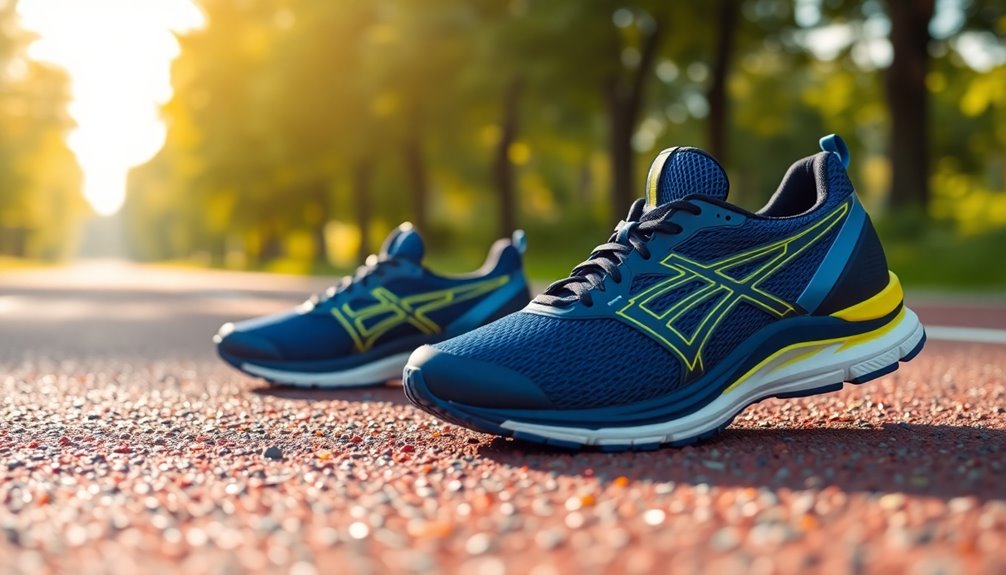
For a dependable starting point, I’d choose the Brooks Adrenaline GTS 25 as the best overall option here, thanks to its running-focused stability design; the Brooks Ghost 17 is a strong neutral alternative, while the wide-toe-box walking sneakers stand out for roomy everyday wear. The lineup ranges from established running models to shoes marketed for orthopedic needs, so the key tradeoff is between purpose-built running performance and features such as extra width, arch support, or water resistance. A shoe described as orthopedic may not suit every foot or running style, and a walking shoe may not be built for regular running. I’ll compare the options by support, fit, intended use, and likely limitations so you can choose with clearer expectations. Continue reading for the full breakdown and a guide to matching shoe features to your needs.

Get workout gear delivered free with Prime
- Fast, free delivery on millions of items
- Prime Video, Amazon Music and more included
- Member-only deals all year
Complete the kit


Key Takeaways
- The Brooks Adrenaline GTS 25 is the strongest running-first pick: it stands apart from the walking and orthopedic-labeled options through its stability-oriented running design.
- The Ghost 17 serves a different need from the Adrenaline: its neutral format suits runners who want cushioning without the same stability focus.
- Wide and X-wide listings address fit needs more directly than generic arch-support claims: shoppers with swelling, bunions, or toe crowding should check width and return terms before relying on a shoe’s orthopedic label.
- Trail and waterproof models trade some road versatility for specific conditions: they make more sense for wet or uneven routes than for buyers seeking one light shoe for all runs.
- Several products are walking-focused despite running language in their names: buyers planning frequent or faster runs should give greater weight to the Brooks running models and verify intended use for other pairs.


| orthopedic running shoe | Sole material | Outer material | Origin | Inner material |
|---|---|---|---|---|
| Women’s Wide Toe Box Walking S | PHYLON and rubber | Knit | — | Foam |
| Men’s Orthopedic Waterproof Tr | Ethylene vinyl acetate (EVA) | Mesh | Imported | Mesh |
| Men’s Wide Orthopedic Trail Ru | Ethylene vinyl acetate (EVA) | Mesh | Imported | — |
| Men’s Wide & X-Wide Orthopedic | Ethylene vinyl acetate (EVA) | Mesh | Imported | — |
| Brooks Men’s Revel 8 Running S | Rubber | Mesh | Imported | EVA and nylon |
| Brooks Men’s Adrenaline GTS 25 | Rubber | Mesh | Imported | Nylon |
| Men’s Orthopedic Road Running | Rubber | Mesh | — | — |
| Men’s Orthopedic Diabetic Shoe | Ethylene Vinyl Acetate | Mesh | Imported | — |
| Men’s Orthopedic Plantar Fasci | Ethylene Vinyl Acetate | Mesh | Imported | Mesh |
| Brooks Men’s Adrenaline GTS 25 | Rubber | Mesh | Imported | Nylon |
| Brooks Men’s Ghost 17 Neutral | Rubber | — | — | — |
| Women’s Wide Toe Walking Sneak | EVA | — | — | — |
More Details on Our Top Picks
Women’s Wide Toe Box Walking Shoes with Cushioned Arch Support, Lace-Up Running Sneakers
I’d choose this pair for a woman who needs space across the forefoot without giving up an arch-supporting insole. The wide toe box can reduce crowding around bunions, while the removable cushioned insole offers some flexibility for a preferred insert. Compared with the men’s extra-wide orthopedic walking shoes in this roundup, this model is more focused on a breathable knit upper and flexible feel than on several width options or a specifically described stable platform. Its light PHYLON-and-rubber outsole suits walking and long periods on your feet, but the product information doesn’t establish the structured support or terrain grip I’d want for demanding trail runs. The generous fit is also a real tradeoff: narrower feet may move around inside it. I’d treat it as a comfort-oriented walking sneaker, not a replacement for a clinician’s advice or a purpose-built running shoe.
Pros:- Wide toe box gives toes room to spread and may reduce forefoot pressure.
- Removable arch-support insole allows some customization of underfoot cushioning.
- Breathable knit upper is suited to extended wear in warm conditions.
- Light PHYLON-and-rubber outsole combines flexibility with traction for walking.
Cons:- Generous width may feel loose on narrow feet.
- The supplied details do not establish the stability or trail-specific grip needed for demanding runs.
Best for: Women with wide forefeet or bunions who want a breathable walking shoe with a removable arch-support insole.
Not ideal for: Women with narrow feet or runners seeking a highly structured shoe for technical trails or intensive training.
- Sole material:PHYLON and rubber
- Outer material:Knit
- Inner material:Foam
- Closure:Lace-up
- Toe box:Wide
- Insole:Removable arch-support insole
Our verdict“Choose this for roomy, breathable everyday walking with arch support, but skip it if you need a snug narrow fit or a dedicated trail-running platform.”
Men’s Orthopedic Waterproof Trail Running Shoes with Arch Support for Plantar Fasciitis and Flat Feet
Among these picks, this is the one I’d shortlist for men who need arch support and expect damp, uneven routes. Its waterproof breathable mesh, deep heel cup, and shock-absorbing EVA midsole target a different need from the Brooks Revel 8: the Brooks is described as a versatile road shoe, while this OrthoComfoot model puts weather protection and trail traction first. The rubber outsole is intended for wet or muddy ground, and the heel cup may help create a more held-in feel for flat feet or heel discomfort. The tradeoffs are fit and specialization. It is offered in medium and wide widths, so narrow-footed runners may not get a secure fit, and a trail-oriented sole may feel less at home on routine pavement than the Revel 8. I’d pick it for mixed outdoor use, not solely for road miles.
Pros:- Waterproof breathable mesh is designed to keep feet dry while allowing airflow.
- Arch support and a deep heel cup target foot positioning and heel comfort.
- EVA midsole cushions impact during extended activity.
- Rubber outsole is specified for traction on wet, muddy, or uneven ground.
Cons:- Medium and wide widths may not provide a secure fit for narrow feet.
- Trail-focused traction may be less suited to runners who mainly use smooth pavement.
Best for: Men with flat feet or plantar-fasciitis-related discomfort who run, hike, or walk on wet and uneven outdoor surfaces.
Not ideal for: Men with narrow feet or runners who spend nearly all their time on smooth roads and want a road-focused shoe.
- Origin:Imported
- Sole material:Ethylene vinyl acetate (EVA)
- Outsole:Rubber
- Outer material:Mesh
- Inner material:Mesh
- Width options:Medium and wide
- Heel support:Deep heel cup
Our verdict“Pick this for supported outdoor miles in wet or rough conditions; choose the Brooks Revel 8 instead if your runs are mostly on roads.”
Men’s Wide Orthopedic Trail Running Shoes, Arch Support Diabetic Plantar Fasciitis Sports Sneakers, Comfortable Casual Athletic Standing Work Outdoor Shoes for Flat Feet & Heel Pain Relief
I’d place this model between a trail shoe and an all-day work sneaker for men who need a roomy fit. The wide toe box, structured arch support, and shock-absorbing midsole address comfort needs associated with flat feet, heel pain, and pressure-sensitive feet. Compared with the waterproof OrthoComfoot trail shoe, this option emphasizes a wide fit and work or casual wear, but its supplied details don’t specify waterproof construction or a deep heel cup. That makes it a less clearly defined choice for wet trails, even though both are presented for outdoor activity. The breathable mesh should suit long wear, but the listed durability caveats matter if you expect frequent, heavy trail use: the upper and outsole may wear over time. I’d favor it for walking, standing, and light outdoor activity over technical or high-mileage running.
Pros:- Roomy toe box accommodates wide or swollen feet.
- Structured arch support is aimed at flat feet and plantar-fasciitis-related discomfort.
- Breathable mesh upper supports airflow during extended wear.
- Shock-absorbing midsole helps soften impact while walking or standing.
Cons:- Mesh durability may be a concern with heavy, repeated use.
- Outsole grip may wear over time.
- Casual athletic styling is not suited to formal occasions.
Best for: Men with wide or pressure-sensitive feet who need arch support for walking, standing at work, and occasional outdoor activity.
Not ideal for: Runners who need a verified waterproof trail shoe, formal styling, or confidence for frequent heavy-duty use.
- Origin:Imported
- Sole material:Ethylene vinyl acetate (EVA)
- Outer material:Mesh
- Closure:Lace-up
- Fit feature:Wide toe box
- Midsole:Shock-absorbing
- Use:Outdoor activity, work, and casual wear
Our verdict“Choose this for wide-footed workday comfort and light outdoor use, but look to the waterproof OrthoComfoot model for a more clearly specified wet-trail option.”
Men’s Wide & X-Wide Orthopedic Diabetic Walking Shoes – Breathable Arch Support Non‑Slip Sneakers for Plantar Fasciitis, Hammer Toes, Swollen Feet
This is the most width-focused pick in the group: it specifically offers wide and extra-wide sizing, with a roomy toe box for swollen feet, bunions, or hammer toes. I’d favor it over the other men’s wide orthopedic trail shoe when fit across the forefoot is the main problem and daily walking matters more than trail performance. Its contoured arch-support insole and EVA midsole add cushioning and support for routine standing or light activity, while the lace-up closure allows adjustment. The tradeoff is bulk. The generous shape may feel cumbersome or insufficiently secure on narrow feet, and its walking-oriented description does not establish the waterproofing or trail-specific capability of the OrthoComfoot option. I’d choose it for day-to-day comfort and pressure relief needs, rather than treating it as a technical running shoe.
Pros:- Wide and extra-wide options address fit needs beyond a standard wide shoe.
- Roomy toe box can reduce pressure around bunions, hammer toes, and swollen forefeet.
- Contoured arch-support insole targets plantar fasciitis and flat-foot discomfort.
- Breathable mesh and cushioned EVA midsole suit extended walking and standing.
Cons:- The broad shape may feel bulky or loose on narrow feet.
- The product details describe walking and light activity rather than specialized running performance.
Best for: Men with extra-wide or swollen feet, hammer toes, or bunions who need an adjustable shoe for daily walking and standing.
Not ideal for: Men with narrow feet or runners who need a purpose-built shoe for wet, uneven trails or fast road training.
- Origin:Imported
- Sole material:Ethylene vinyl acetate (EVA)
- Outer material:Mesh
- Closure:Lace-up
- Width options:Wide and extra-wide
- Insole:Contoured arch-support insole
- Use:Walking, standing, and light activity
Our verdict“Choose this for everyday support when extra-wide sizing is the priority, but select the OrthoComfoot trail shoe for wet-terrain use.”
Brooks Men’s Revel 8 Running Shoe
For runners who want a conventional road shoe with cushioning rather than a wide orthopedic fit, I’d put the Brooks Revel 8 ahead of the more specialized walking and trail options. Its DNA Loft v2 cushioning is described as adapting to stride, weight, and speed, while the engineered mesh upper and lightweight RoadTack rubber outsole suit regular road workouts and casual wear. That makes it a clearer road-running choice than the OrthoComfoot trail shoe, whose waterproofing and rugged traction target rougher conditions. The Revel 8’s tradeoff is support: the product information warns that it may not offer enough stability for heavy overpronators, and it does not describe the wide toe box or targeted orthopedic arch support featured by the other picks. I’d choose it for neutral runners seeking a smooth, versatile ride, not as a solution for specific foot conditions.
Pros:- DNA Loft v2 cushioning is designed to adapt to stride, weight, and speed.
- Engineered mesh upper supports breathability.
- Lightweight RoadTack rubber outsole provides traction and durability.
- Versatile styling suits both workouts and casual wear.
Cons:- May not provide enough stability for heavy overpronators.
- Does not have the specifically described wide fit or orthopedic arch-support features of several other picks.
- Not presented as a technical trail shoe.
Best for: Men with a neutral stride who want a breathable, cushioned shoe for road runs, workouts, and everyday wear.
Not ideal for: Men with heavy overpronation, a need for substantial orthopedic arch support, or a preference for a wide toe box.
- Origin:Imported
- Sole material:Rubber
- Outsole:RoadTack rubber
- Outer material:Mesh
- Inner material:EVA and nylon
- Cushioning:DNA Loft v2
- Fit and support:Neutral running; may not suit heavy overpronation
Our verdict“Choose the Revel 8 for cushioned neutral road running and everyday versatility, but opt for an orthopedic wide-fit model if targeted support or extra toe room is your priority.”
Brooks Men’s Adrenaline GTS 25 Running Shoe
I’d put the Brooks Adrenaline GTS 25 first for runners who want a stability-focused shoe from an established running line, rather than an orthopedic-style sneaker built mainly around arch support. Its GuideRails system is designed to limit excess motion, while nitrogen-infused DNA Loft v3 cushioning softens repeated impact without making cushioning the only source of support. The mesh upper and flat-knit collar add a secure, breathable fit, and diabetic-shoe certification with the APMA Seal of Acceptance provides health-focused credentials that the generic orthopedic models here do not list.
The tradeoff is its rubber outsole, which may add weight compared with the EVA-soled options, and its structured feel may not suit runners who want minimal guidance. Compared with the Adrenaline GTS 25 listing at B0DM3DB2TY, this listing also specifically notes durable traction and smooth transitions. I’d choose it over the more basic arch-support sneakers for regular running, but not for a minimalist preference.
Pros:- GuideRails support is designed to keep excess motion in check during strides.
- Nitrogen-infused DNA Loft v3 cushioning balances impact comfort with a lightweight feel.
- Breathable engineered mesh and a flat-knit collar support a secure, flexible fit.
- PDAC A5500 diabetic certification and APMA Seal of Acceptance are stated.
Cons:- Rubber outsole may add weight compared with lighter sole materials.
- Structured guidance may feel restrictive to runners who prefer a neutral or minimalist ride.
Best for: Runners and walkers seeking guided stability, cushioned impact, and a diabetic-friendly model with stated health certifications.
Not ideal for: Minimalist-shoe fans or buyers prioritizing the lightest possible outsole; the rubber sole may add weight and the support structure may feel restrictive.
- Origin:Imported
- Sole material:Rubber
- Outer material:Mesh
- Inner material:Nylon
- Support system:GuideRails holistic support
- Cushioning:Nitrogen-infused DNA Loft v3
- Certification:PDAC A5500 diabetic-friendly model; APMA Seal of Acceptance
Our verdict“Choose this Adrenaline GTS 25 listing for a running-oriented mix of guided stability, cushioning, and stated diabetic-friendly credentials.”
Men’s Orthopedic Road Running Shoes with Arch Support and Plantar Fasciitis Relief
This model makes the list for buyers who want a straightforward combination of an orthotic arch-support insole and a shock-absorbing midsole, without the more running-specific guidance system found in the Brooks Adrenaline GTS 25. That pairing is aimed at easing pressure during walking and road use, while the mesh upper and rubber outsole cover the basics for daily outdoor wear. Compared with the Men’s Orthopedic Diabetic Shoes with Wide Toe Box, its description puts more emphasis on shock absorption and road use than on toe-room needs.
I’d treat it as a practical support-focused option, not as a proven substitute for a fitted orthotic or a high-performance running shoe: the product information does not provide a named stability system or certification. The sporty styling may not work for dressier settings, and the listing flags possible sizing issues without giving fit measurements. Buyers who need a predictable fit should check sizing carefully; runners wanting more documented guidance may prefer the Brooks.
Pros:- Orthotic arch-support insole targets support for plantar fasciitis and heel discomfort.
- Shock-absorbing midsole is intended to soften impact during walking and running.
- Breathable mesh upper suits daily wear and outdoor activity.
- Rubber non-slip outsole provides traction across varied surfaces.
Cons:- No named motion-control system or health certification is provided in the product data.
- Sizing may be inconsistent, and the listing recommends trying the shoe on.
- Sporty styling may not suit formal or business settings.
Best for: Men seeking an everyday road-and-walking shoe with an orthotic arch insole and impact-absorbing midsole.
Not ideal for: Runners who need a specified stability platform, verified diabetic-shoe certification, formal styling, or highly predictable sizing details.
- Fabric type:Mesh fabric
- Outer material:Mesh
- Sole material:Rubber
- Insole:Orthotic arch support
- Midsole:Shock absorbing
- Outsole:Non-slip rubber
Our verdict“Pick this model for basic arch support and shock absorption in daily road use, but choose the Brooks Adrenaline GTS 25 for a more clearly specified stability system.”
Men’s Orthopedic Diabetic Shoes – Comfortable Arch Support Sneakers for Foot & Heel Pain Relief
The clearest reason to choose this pair is its wide toe box, which gives it a different focus from the Men’s Orthopedic Road Running Shoes with Arch Support and Plantar Fasciitis Relief. That extra room may suit people who feel pressure around the toes, including buyers dealing with swollen feet or hammer toes, while the supportive arch and breathable mesh target comfort for everyday use. Its EVA sole also differs from the Brooks Adrenaline GTS 25’s rubber outsole, though the product information does not describe a comparable running stability system.
I’d place it in the light-activity and daily-wear category rather than recommend it for demanding runs. The listing explicitly warns that it may not offer enough support for high-impact sports, and it does not state a diabetic-shoe certification despite the title. The casual sneaker styling is practical but not formal. For foot-room needs, it has a more distinctive purpose than the other arch-support models here; for structured running support, the Brooks is the clearer choice.
Pros:- Wide toe box is intended to ease pressure around the toes.
- Supportive arch targets foot and heel discomfort during daily wear.
- Breathable mesh upper is suited to extended everyday use.
- EVA sole offers a different, lightweight-focused construction from the rubber-soled Brooks models.
Cons:- Product information cautions that support may be insufficient for high-impact sports.
- The title mentions diabetic use, but no diabetic-shoe certification is specified.
- Casual design may not suit formal occasions.
Best for: Men who want extra toe room and arch support for daily activity, especially those managing toe pressure or swollen feet.
Not ideal for: Runners doing frequent high-impact training or buyers who require a stated diabetic-shoe certification or a formal-looking shoe.
- Origin:Imported
- Sole material:Ethylene Vinyl Acetate
- Outer material:Mesh
- Closure type:Lace-Up
- Toe box:Wide
- Arch support:Supportive arch
- Intended activity:Daily activities and light sports
Our verdict“Choose this sneaker for toe-room and everyday comfort, not for high-impact running or certified diabetic footwear.”
Men’s Orthopedic Plantar Fasciitis Sneakers with High Arch Support and Breathable Mesh
This sneaker combines firm arch support with cushioned shock absorption, making it a plausible fit for buyers who want a single shoe for walking, casual wear, and occasional runs. Its mesh construction and EVA sole set it apart from the rubber-soled Men’s Orthopedic Road Running Shoes, while its description gives more attention to heel comfort and flat-foot support. Compared with the wide-toe-box orthopedic sneaker, this model emphasizes arch structure rather than toe-room accommodation.
The limitation is that its support may not match every arch: the listing specifically warns it may fall short for very high arches. It also does not name a structured stability system like the GuideRails in the Brooks Adrenaline GTS 25, so I would not treat its broad activity claims as evidence of equivalent running support. The casual look and mesh upper suit everyday use, but buyers seeking a technical running shoe or dress versatility should look elsewhere.
Pros:- Firm arch support is aimed at plantar-fasciitis discomfort and flat feet.
- Cushioned shock absorption may reduce impact during walks and casual runs.
- Breathable mesh construction supports airflow.
- Non-slip outsole is designed to provide grip and stability.
Cons:- The listing says support may be insufficient for very high arches.
- No named motion-control system or diabetic certification is specified.
- Casual styling may not suit formal settings.
Best for: Men with plantar-fasciitis or heel discomfort who want cushioned support for walking and occasional casual runs.
Not ideal for: People with very high arches, runners seeking a named stability platform, or buyers who need formal styling.
- Origin:Imported
- Sole material:Ethylene Vinyl Acetate
- Outer material:Mesh
- Inner material:Mesh
- Arch support:Firm, high arch support
- Cushioning:Cushioned shock absorption
- Outsole:Non-slip
Our verdict“Choose this model for cushioned walking and casual running with firm arch support, but consider the Brooks Adrenaline GTS 25 for more clearly defined running guidance.”
Brooks Men’s Adrenaline GTS 25 Running Shoe
This Adrenaline GTS 25 listing suits buyers who want structured support with stated health credentials. The GuideRails system is designed to control excess motion, and DNA Loft v3 cushioning helps soften impact on recurring runs or walks. Its engineered mesh upper and flat-knit collar aim for a secure fit without a rigid-feeling upper. The PDAC A5500 diabetic-shoe certification and APMA Seal of Acceptance distinguish it from the generic orthopedic sneakers in this group, which do not list comparable credentials.
It shares its core platform with the other Brooks Adrenaline GTS 25 listing, B0DM37H7G6, so the choice between these entries is not a meaningful model-level upgrade. This description specifically mentions a specially designed outsole for smooth transitions, while the other listing calls out durable traction. The rubber sole may feel heavier than EVA options, and the structured ride may not suit neutral or minimalist preferences. I’d favor it for repeatable support, not for an unstructured feel.
Pros:- GuideRails system is designed to limit excess motion for a steadier stride.
- Nitrogen-infused DNA Loft v3 cushioning offers cushioned, lightweight comfort.
- Engineered mesh upper and flat-knit collar support a breathable, secure fit.
- Diabetic-shoe certification and APMA Seal of Acceptance are stated.
Cons:- Rubber outsole may add weight compared with EVA-soled alternatives.
- Structured support may feel restrictive to runners who prefer neutral or minimalist shoes.
- Core shoe features overlap with the other Adrenaline GTS 25 entry in this roundup.
Best for: Walkers and runners seeking a structured stability shoe with stated diabetic-shoe certification and APMA recognition.
Not ideal for: Minimalist or neutral-shoe fans, and buyers expecting a different shoe from the other Adrenaline GTS 25 listing.
- Origin:Imported
- Sole material:Rubber
- Outer material:Mesh
- Inner material:Nylon
- Support system:GuideRails holistic support
- Cushioning:Nitrogen-infused DNA Loft v3
- Certification:Diabetic shoe; APMA Seal of Acceptance
Our verdict“Choose this listing if you want the Adrenaline GTS 25’s guided support and stated health credentials, while recognizing it shares its core design with the other listing.”
Brooks Men’s Ghost 17 Neutral Running Shoe
The Ghost 17 is the clearest fit here for runners who want a conventional road shoe with cushioning, rather than the pronounced arch support or roomy toe shape featured in several orthopedic-style options. Its nitrogen-infused DNA LOFT v3 cushioning is designed to soften repeated impact, while flex grooves support a smoother roll toward toe-off. That combination also suits walking and everyday wear, giving it more versatility than a shoe focused mainly on trail use or foot-specific support.
Compared with the Brooks Adrenaline GTS 25, the Ghost 17 is the neutral choice: it does not provide that model’s stability-focused design. Its breathable mesh and diabetic-shoe certification may appeal to some buyers, but those details do not make it a substitute for a prescribed or individually fitted shoe. The tradeoff is straightforward: comfortable, versatile cushioning, without specialized stability features.
Pros:- DNA LOFT v3 cushioning is designed to provide lightweight softness for road miles and walking.
- Breathable double jacquard mesh promotes airflow around the foot.
- Flex grooves support a smoother-feeling transition through toe-off.
- Rubber outsole uses a compound crafted with recycled silica.
Cons:- Neutral design may not suit runners who need stability-focused support.
- The provided details do not specify a wide toe box or built-in arch support.
- Its road-oriented design is less specifically suited to trail conditions than the orthopedic trail shoes in this roundup.
Best for: Road runners and walkers who prefer a neutral shoe with soft cushioning and want one pair for gym sessions and everyday wear.
Not ideal for: Runners seeking built-in stability guidance, pronounced arch support, or a wide toe box; the listed design is neutral and does not specify those features.
- Brand and model:Brooks Ghost 17
- Shoe type:Neutral running shoe
- Intended use:Road running, walking, cross training, travel, and gym
- Cushioning:Nitrogen-infused DNA LOFT v3
- Upper:Double jacquard air mesh
- Sole material:Rubber
- Outsole:Rubber compound crafted with recycled silica
- Certifications:PDAC A5500 Diabetic shoe; APMA Seal of Acceptance; certified carbon neutral
Our verdict“Choose the Ghost 17 for cushioned neutral road running and daily wear, but look elsewhere if you need stability guidance or a specified orthopedic fit.”
Women’s Wide Toe Walking Sneakers with Arch Support
This lace-up sneaker takes a more foot-room-focused approach than the Brooks Ghost 17. Its wide toe box is intended to let toes spread more naturally, and built-in arch support plus a cushioned midsole make it a better match for everyday walking than a neutral running shoe when those particular features are priorities. A breathable mesh upper and slip-resistant rubber outsole also suit indoor workouts and routine outdoor use.
The tradeoff is that the available product details leave key fit questions unanswered: they do not specify width options, sizing guidance, or the degree of arch support. That makes fit less predictable than the named Ghost 17, whose model and cushioning platform are clearly identified. This sneaker is also presented for walking, workouts, and daily wear, not as a specialized running shoe or a substitute for individualized orthopedic advice. Its athletic look may not suit dressier settings.
Pros:- Wide toe box is designed to give toes more room to spread.
- Built-in arch support and a cushioned midsole suit everyday walking.
- Breathable mesh upper supports airflow.
- Slip-resistant rubber outsole has a multi-directional traction pattern.
Cons:- Available widths and sizing details are not specified, making fit harder to judge.
- The product description focuses on walking and workouts rather than dedicated running performance.
- Athletic styling may not work for formal occasions.
Best for: Women looking for a casual walking and workout sneaker with a roomy toe box, built-in arch support, and breathable mesh.
Not ideal for: Runners needing a clearly specified running platform, shoppers who require confirmed width and sizing details, or anyone seeking a formal-looking shoe.
- Shoe type:Lace-up athletic sneaker
- Intended use:Walking, workouts, and everyday wear
- Toe box:Wide
- Support:Built-in arch support
- Midsole:Cushioned
- Upper:Mesh
- Sole material:EVA
- Outsole:Slip-resistant rubber with multi-directional traction pattern
Our verdict“Pick this sneaker for casual walking when toe room and built-in arch support matter more than detailed running specifications or confirmed width options.”

How We Picked
I ranked these shoes by how clearly their stated design matches running use, then weighed support approach, fit options, cushioning claims, and intended terrain. I gave the most weight to models with recognizable running-focused roles: stability for runners who want guidance, neutral cushioning for those who prefer a less structured feel, and trail features for off-road use. Wide toe boxes and extra-wide sizing matter because pressure and fit can be as important as arch shape, but those features alone do not establish that a shoe is suited to sustained running.
The order also reflects tradeoffs and uncertainty. Product titles use terms such as orthopedic, diabetic, and plantar fasciitis, but those labels do not prove a particular shoe will resolve pain or fit every foot. I separated running shoes from walking-oriented sneakers and considered whether each model appears best for road, trail, standing, or everyday wear. Where two entries are the same Brooks model, I treated them as one design rather than implying a meaningful difference between duplicate listings.
| orthopedic running shoe | Sole material | Outer material | Inner material | Outsole |
|---|---|---|---|---|
| Women’s Wide Toe Box Walking S | PHYLON and rubber | Knit | Foam | — |
| Men’s Orthopedic Waterproof Tr | Ethylene vinyl acetate (EVA) | Mesh | Mesh | Rubber |
| Men’s Wide Orthopedic Trail Ru | Ethylene vinyl acetate (EVA) | Mesh | — | — |
| Men’s Wide & X-Wide Orthopedic | Ethylene vinyl acetate (EVA) | Mesh | — | — |
| Brooks Men’s Revel 8 Running S | Rubber | Mesh | EVA and nylon | RoadTack rubber |
| Brooks Men’s Adrenaline GTS 25 | Rubber | Mesh | Nylon | — |
| Men’s Orthopedic Road Running | Rubber | Mesh | — | Non-slip rubber |
| Men’s Orthopedic Diabetic Shoe | Ethylene Vinyl Acetate | Mesh | — | — |
| Men’s Orthopedic Plantar Fasci | Ethylene Vinyl Acetate | Mesh | Mesh | Non-slip |
| Brooks Men’s Adrenaline GTS 25 | Rubber | Mesh | Nylon | — |
| Brooks Men’s Ghost 17 Neutral | Rubber | — | — | Rubber compound crafted with recycled silica |
| Women’s Wide Toe Walking Sneak | EVA | — | — | Slip-resistant rubber with multi-directional traction pattern |
Factors to Consider When Choosing Orthopedic Running Shoes
Before choosing a pair, I’d start with the kind of running you actually do and the fit problem you need to solve. Support language can sound interchangeable across listings, but stability, arch shape, cushioning, and width affect different parts of the experience.
Match Support to Your Running Gait
Arch support and stability are related, but they are not the same feature. A high arch may feel better with a different shape underfoot than a low arch, while stability features aim to guide motion rather than simply raise the arch. Avoid choosing a shoe solely because its listing promises “high arch support” or mentions flat feet. If possible, compare the shoe’s support with a pair that already feels comfortable and pay attention to pressure points during a short indoor fit check. Runners with persistent pain or a diagnosed condition may benefit from advice from a qualified clinician instead of assuming a shoe label is a treatment plan.
Check Width and Toe Shape, Not Just Length
A shoe can be long enough and still squeeze the forefoot, especially if your toes spread while running or your feet swell later in the day. Wide and X-wide options can help, but width labels are not perfectly consistent between brands or even between product lines. Look for room at the toes without letting the heel slip, and check whether the upper has seams or overlays where you feel pressure. Trying shoes on later in the day can give a more realistic fit than checking them when feet are least swollen. A roomy walking sneaker may still feel too loose or unstable at running pace, so test fit with the activity in mind.
Choose Cushioning for the Run You Do
More cushioning is not automatically better: some runners like a softer landing, while others prefer a firmer, more responsive feel. Cushioning can also change how stable a shoe feels, particularly if the platform is tall or soft underfoot. Think about your usual distance, pace, and surface rather than judging by a plush description alone. A daily trainer needs to feel comfortable over repeated runs, while a shoe for short walks or standing may prioritize pressure relief over running response. If you are moving from a supportive shoe to a neutral model, make the change gradually and pay attention to comfort.
Keep Road and Trail Use Separate
Trail shoes are built around grip and protection for uneven ground, while road shoes generally prioritize a smoother ride on pavement. A waterproof upper can be useful in wet conditions, but it may feel warmer and less breathable during hot-weather runs. Trail tread can also feel less natural on smooth roads, especially if most of your miles are on pavement. Decide which surface accounts for most of your running before paying for features you rarely use. If your routes vary widely, a road-focused daily shoe may be the more versatile choice, with a trail pair added only when terrain demands it.
Treat Medical and Orthopedic Claims Carefully
Terms such as diabetic, plantar fasciitis, and orthopedic describe intended audiences or marketing, not a guarantee of clinical benefit. Prioritize tangible details such as width choices, upper construction, removable insoles, cushioning, and secure fastening. If you use custom orthotics, check whether the insole can be removed and whether the shoe has enough depth to accommodate your insert without crowding the foot. A shoe that relieves pressure while standing may not provide the fit or structure you want during a run. For recurring pain, numbness, wounds, or foot changes, get professional guidance before relying on footwear alone.
Compare Total Fit and Return Flexibility
Even a well-regarded running model can be a poor match if its shape conflicts with your foot. Check the retailer’s return rules before ordering several sizes, and keep the shoes clean while you assess them indoors. Try them with the socks and any inserts you plan to use, then check heel hold, toe room, and pressure across the midfoot. For a pair intended for running, a brief walk cannot reveal every fit issue, but an indoor jog or movement check may show whether the shoe feels secure. If the model is available in different widths or generations, verify that the exact listing matches the version you intend to buy.
Frequently Asked Questions
Are the Brooks Adrenaline GTS 25 and Ghost 17 interchangeable for orthopedic support?
No. The Adrenaline GTS 25 is the stability-oriented choice in this lineup, while the Ghost 17 is a neutral running shoe. That difference matters if you specifically want more guidance from the shoe, but stability does not make one model universally better or treat a foot condition. Choose based on how much structure feels comfortable and whether you have been advised to use a particular type of support. If you are unsure, compare both fit and underfoot feel rather than choosing by the word “orthopedic.”
Can I run regularly in a shoe listed mainly as a walking sneaker?
Possibly, but a walking-focused design may not provide the ride, secure fit, or durability you want for repeated running. Product titles can combine “running,” “walking,” and “athletic,” so check the intended activity and construction details rather than relying on keywords. For occasional short jogs, comfort and a secure fit may be enough; for frequent runs, a dedicated running model is a safer starting point. Pay attention to whether the shoe feels stable when moving faster, not just comfortable while standing.
Should I choose a wide-toe-box shoe or a high-arch-support shoe?
Choose based on the problem you are trying to solve, since toe room and arch support address different fit concerns. A wide toe box may help if your toes feel compressed, while arch support changes how the midfoot contacts the shoe. You may need both, but a roomy forefoot does not guarantee a comfortable arch shape. Compare the shoe’s internal fit and try it with your usual socks or orthotics. If either feature creates pressure or discomfort, do not assume you need to adapt to it.
Is a waterproof trail running shoe a good everyday road shoe?
It can work for some everyday use, but trail tread and a waterproof upper are specialized features. The grip can be less comfortable on smooth pavement, and waterproof materials may retain more heat than a breathable mesh upper. If most of your miles are on roads, a road-running model is likely to feel more appropriate. Choose a waterproof trail option when wet weather or uneven routes are regular parts of your routine, not just for the broadest feature list.
Do orthopedic running shoes replace custom orthotics or medical care?
No shoe in this roundup should be treated as a replacement for prescribed orthotics or professional care. Some models may have removable insoles or more depth, which can make them easier to pair with an insert, but compatibility depends on the shoe and orthotic together. Check that the insert sits flat and does not crowd your toes or lift your heel out of the shoe. Ongoing pain, numbness, wounds, or a diagnosed foot condition deserves guidance from a qualified clinician. Use product claims as a starting point for comparison, not proof of treatment.
Conclusion
For a running-first choice, I’d start with the Brooks Adrenaline GTS 25 as best overall, especially if you want a stability-oriented design. The Brooks Ghost 17 is my better fit for neutral runners who prefer a less guided feel, while the duplicate Adrenaline listing does not represent a separate design choice. For best value, I’d compare the simpler orthopedic and wide-fit sneakers against your actual use rather than paying for claims or features you do not need; the lineup does not provide enough verified detail to name a price-based winner. Beginners should prioritize comfortable fit and intended activity, with a dedicated running model such as the Ghost or Adrenaline as a clearer starting point than a walking shoe. For specific needs, look to the waterproof trail model for wet, uneven routes and the wide or X-wide options for forefoot room, then confirm fit and suitability before committing.