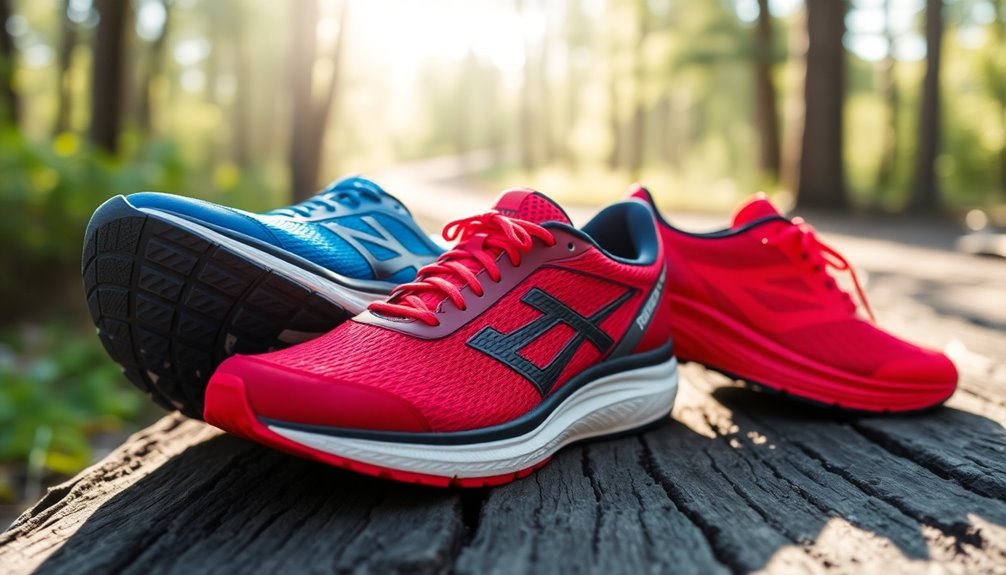

If overpronation affects your running stride, finding shoes that provide proper stability and support is essential. The ASICS Gel-Contend 10 stands out as the best overall choice for balancing support and comfort, while the Brooks Adrenaline GTS 25 offers a supportive ride suitable for daily runners. Another notable option is the ASICS Gel-Kayano 32, which targets those seeking premium stability and cushioning. The main challenge in this category is balancing support with weight and flexibility—more support can sometimes mean bulkier shoes, which may impact speed or comfort for some. Continue reading for a detailed breakdown of these options and what to consider when selecting your ideal overpronation support.
Complete the kit


Key Takeaways
- Support levels vary widely, making it crucial to match shoe stiffness with your gait severity.
- The best shoes combine stability with comfort, avoiding overly rigid designs that can cause discomfort.
- Premium models like the Gel-Kayano 32 offer advanced support but come at a higher price point.
- Durability often correlates with heavier shoes; lighter options may sacrifice some support for speed.
- Many top picks include midsole technology designed specifically to control overpronation without sacrificing cushioning.
| ASICS Men’s Gel-Contend 10 Running Shoes |  | Best Overall for Overpronators on a Budget | Origin: Imported | Sole material: Rubber | Outer material: Synthetic Fiber | VIEW ON AMAZON | See Our Full Breakdown |
| ASICS Women’s GT-1000 15 Running Shoes |  | Best for Supportive Stability and Responsiveness | Origin: Imported | Sole material: Rubber | Outer material: Synthetic Fiber | VIEW ON AMAZON | See Our Full Breakdown |
| Brooks Men’s Adrenaline GTS 25 Supportive Running & Walking Shoe |  | Best for Maximum Support and Supportive Comfort | Origin: Imported | Sole material: Rubber | Outer material: Nylon | VIEW ON AMAZON | See Our Full Breakdown |
| ASICS Men’s GT-2000 14 Running Shoes |  | Best for Advanced Stability and Responsive Runs | Origin: Imported | Sole material: Rubber | Outer material: Polyester | VIEW ON AMAZON | See Our Full Breakdown |
| ASICS Women’s GT-2000 14 Running Shoes |  | Best Overall for Stability and Comfort | Origin: Imported | Sole material: Rubber | Outer material: Synthetic Fiber | VIEW ON AMAZON | See Our Full Breakdown |
| Brooks Women’s Adrenaline GTS 25 Supportive Running & Walking Shoe |  | Best Support for Overpronators Who Value Reliability | Origin: Imported | Sole material: Rubber | Outer material: Mesh | VIEW ON AMAZON | See Our Full Breakdown |
| Brooks Men’s Beast GTS 26 Supportive Running & Walking Shoe |  | Best for Maximum Stability and Support | Origin: Imported | Sole material: Rubber | Outer material: Nylon | VIEW ON AMAZON | See Our Full Breakdown |
| Brooks Men’s Beast GTS 24 Supportive Running & Walking Shoe |  | Best for Proven Support and Comfort | Fabric type: 100% Synthetic | Origin: Imported | Sole material: Rubber | VIEW ON AMAZON | See Our Full Breakdown |
| ASICS Women’s Gel-Kayano 32 Running Shoes |  | Best for Long-Distance Stability and Support | Origin: Imported | Sole material: Rubber | Outer material: Synthetic Fiber | VIEW ON AMAZON | See Our Full Breakdown |
| running shoes for overpronator | Origin | Sole material | Outer material | Inner material |
|---|---|---|---|---|
| ASICS Men’s Gel-Contend 10 Run | Imported | Rubber | Synthetic Fiber | — |
| ASICS Women’s GT-1000 15 Runni | Imported | Rubber | Synthetic Fiber | — |
| Brooks Men’s Adrenaline GTS 25 | Imported | Rubber | Nylon | Nylon, Ethylene Vinyl Acetate |
| ASICS Men’s GT-2000 14 Running | Imported | Rubber | Polyester | Polyester |
| ASICS Women’s GT-2000 14 Runni | Imported | Rubber | Synthetic Fiber | Polyester |
| Brooks Women’s Adrenaline GTS | Imported | Rubber | Mesh | Nylon, Ethylene Vinyl Acetate |
| Brooks Men’s Beast GTS 26 Supp | Imported | Rubber | Nylon | Nylon |
| Brooks Men’s Beast GTS 24 Supp | Imported | Rubber | Rubber | — |
| ASICS Women’s Gel-Kayano 32 Ru | Imported | Rubber | Synthetic Fiber | Foam, Gel, Polyester |
More Details on Our Top Picks
ASICS Men’s Gel-Contend 10 Running Shoes
The ASICS Men’s Gel-Contend 10 stands out for its lightweight, breathable mesh upper combined with proven GEL technology for shock absorption, making it a solid choice for overpronators seeking reliable support without a high price. Compared to the Brooks Adrenaline GTS 25, it offers comparable cushioning but falls short in support features tailored specifically for overpronation. The synthetic materials keep the shoe light, but over time, durability might be a concern, especially for those logging high mileage. Its limited color options could also be a downside for style-conscious runners. This shoe is best suited for entry-level overpronators or runners on a budget who prioritize comfort and breathability over advanced stability features.
Pros:- Lightweight and breathable mesh upper
- Effective shock absorption with GEL technology
- Comfortable cushioning with AMPLIFOAM PLUS
- Moisture-wicking OrthoLite sockliner
Cons:- May run narrow for wider feet
- Synthetic materials may wear quickly
- Limited color choices
Best for: Overpronators new to running or those seeking a budget-friendly, comfortable daily trainer
Not ideal for: Runners requiring extensive support or long-term durability, especially for high-mileage training
- Origin:Imported
- Sole material:Rubber
- Outer material:Synthetic Fiber
- Closure type:Lace-Up
Our verdict“This shoe offers a balanced mix of comfort and support at an accessible price, ideal for beginner overpronators.”
ASICS Women’s GT-1000 15 Running Shoes
The ASICS Women’s GT-1000 15 offers adaptive stability with its 3D GUIDANCE SYSTEM and FF BLAST cushioning, making it a strong contender for overpronators needing reliable support. Unlike the Gel-Contend 10, which leans more towards comfort, the GT-1000 emphasizes support for overpronation through its stability system, though this can make it feel slightly less flexible for casual wear. The engineered mesh upper provides breathability, while the durable outsole ensures grip on various surfaces. Its higher price point reflects the advanced stability features, which might be unnecessary for casual runners. This model makes the most sense for overpronators who require consistent stability during longer runs or intense training sessions, but it may be less appealing for those on a tight budget or looking for a more minimalist feel.
Pros:- Responsive FF BLAST cushioning for energy return
- Stable support with 3D GUIDANCE SYSTEM
- Breathable engineered mesh upper
- Reliable outsole rubber for durability
Cons:- Higher price compared to entry-level models
- Less suitable for casual or everyday wear
- May feel stiff for runners preferring flexibility
Best for: Experienced overpronators needing dependable stability and responsiveness for regular training
Not ideal for: Casual runners or those seeking lightweight, minimalist shoes for short distances
- Origin:Imported
- Sole material:Rubber
- Outer material:Synthetic Fiber
- Upper material:Engineered mesh
Our verdict“This shoe offers advanced support and responsiveness tailored for serious overpronators who put in regular miles.”
Brooks Men’s Adrenaline GTS 25 Supportive Running & Walking Shoe
The Brooks Adrenaline GTS 25 is tailored for overpronators needing consistent stability, thanks to its GuideRails system that guides the foot naturally. Its nitrogen-infused DNA LOFT v3 cushioning offers a soft ride without sacrificing support, making it ideal for long-distance training or daily wear. In comparison to the ASICS GT-1000 15, the Brooks provides a more cushioned, plush experience and better overall support, but it comes at a higher price and may feel bulkier. This shoe is best suited for runners who prioritize support and long-term comfort over weight or flexibility, but less so for minimalist runners or those seeking a lightweight option.
Pros:- Effective support with GuideRails technology
- Soft, lightweight nitrogen-infused cushioning
- Breathable upper for a secure fit
- Promotes smooth gait transitions
Cons:- Higher price point
- Bulkier fit may reduce speed
- Less suitable for minimalist runners
Best for: Overpronators who need maximum support and cushioning for daily training or long runs
Not ideal for: Runners seeking lightweight or highly flexible shoes for speedwork or races
- Origin:Imported
- Sole material:Rubber
- Outer material:Nylon
- Inner material:Nylon, Ethylene Vinyl Acetate
- Certifications:APMA Seal of Acceptance
Our verdict“This shoe offers comprehensive support and plush cushioning, best for overpronators focused on comfort and stability during high-mileage runs.”
ASICS Men’s GT-2000 14 Running Shoes
The ASICS GT-2000 14 combines a breathable woven mesh upper with a trampoline-inspired outsole for enhanced energy return, making it a versatile choice for overpronators seeking both stability and responsiveness. Compared with the Brooks GTS 25, it offers a more technical ride with advanced stability features, though it might feel less plush and more performance-oriented. Its 3D Guidance System and FF BLAST MAX foam ensure support and excitement during runs, but this level of tech can lead to increased costs and complexity. It’s best for experienced runners who want a responsive, stability-focused shoe capable of handling varied training sessions, but less ideal for casual or minimal support needs.
Pros:- Breathable woven mesh upper
- Enhanced energy return with trampoline-inspired outsole
- Advanced stability with 3D Guidance System
- Responsive FF BLAST MAX foam
Cons:- Potentially higher price due to technical features
- May feel less flexible for natural foot motion
- Less suited for casual walking or low-impact activities
Best for: Overpronators looking for a technically advanced, stable, and responsive running shoe
Not ideal for: Runners seeking lightweight or minimalist shoes for short-distance or recovery runs
- Origin:Imported
- Sole material:Rubber
- Outer material:Polyester
- Inner material:Polyester
- Technology:3D Guidance System, PureGEL, FF BLAST MAX
Our verdict“This shoe provides high stability and energy return for experienced overpronators who want a performance-oriented runner, though at a higher cost.”
ASICS Women’s GT-2000 14 Running Shoes
The ASICS Women’s GT-2000 14 stands out for its balanced combination of support, cushioning, and breathability. The woven mesh upper keeps feet dry, while the GEL technology and FF BLAST MAX cushioning deliver a plush, responsive ride. Compared to the Brooks Adrenaline GTS 25, it offers superior energy return thanks to the trampoline-inspired outsole, but may lack some durability for intense training sessions. Its asymmetric tongue wing ensures a secure fit, ideal for overpronators seeking stability without sacrificing comfort. However, the shoe’s added support and cushioning can make it slightly heavier than minimalist options, which might be a tradeoff for those prioritizing lightweight performance. This pick makes the most sense for runners who need dependable stability combined with a responsive feel during longer runs or daily training.
Pros:- Breathable and dry-feet keeping woven mesh upper
- Enhanced energy return with trampoline-inspired outsole
- Secure fit with asymmetric tongue wing
- Responsive GEL and FF BLAST MAX cushioning
Cons:- Potentially less durable for high-intensity training
- Heavier compared to minimalist running shoes
Best for: Overpronators seeking a stable, cushioned daily trainer with responsive energy return
Not ideal for: Runners who prefer ultralight shoes or prioritize minimalism, as this model is heavier and more supportive
- Origin:Imported
- Sole material:Rubber
- Outer material:Synthetic Fiber
- Inner material:Polyester
- Technology:Rearfoot PureGEL, FF BLAST MAX cushioning
- Design features:Woven mesh upper, asymmetric tongue wing, trampoline-inspired outsole, 3D GUIDANCE SYSTEM
Our verdict“This shoe offers a great balance of stability, cushioning, and responsiveness for daily overpronation correction.”
Brooks Women’s Adrenaline GTS 25 Supportive Running & Walking Shoe
The Brooks Adrenaline GTS 25 is designed for runners and walkers who need dependable support and stability. Its GuideRails system offers holistic support by aligning your movement, making it a strong alternative to Brooks Beast GTS 26, which provides maximum support and a more plush ride. The breathable mesh upper ensures a secure, comfortable fit, but the premium features come with a higher price tag, and its weight may be noticeable for speed-focused runners. This model is ideal for individuals who value consistent stability and cushioning for daily walks or longer training sessions, especially if they are prone to overpronation. However, casual runners who prioritize lightweight shoes or minimalist designs might find it too supportive and bulky.
Pros:- Provides reliable support with GuideRails technology
- Lightweight, soft DNA LOFT v3 cushioning
- Breathable mesh for a secure fit
- Promotes smooth transition and stability
Cons:- Less suitable for casual, non-active use
- Premium price may be a barrier
- Fit may not suit all foot shapes
Best for: Overpronators seeking reliable, supportive shoes for daily training and long-distance walking
Not ideal for: Runners looking for lightweight, minimalist shoes or casual wear without active support needs
- Origin:Imported
- Sole material:Rubber
- Outer material:Mesh
- Inner material:Nylon, Ethylene Vinyl Acetate
- Diabetic certified:Yes
- APMA Seal of Acceptance:Yes
Our verdict“This shoe excels for overpronators needing dependable, supportive cushioning for consistent daily wear.”
Brooks Men’s Beast GTS 26 Supportive Running & Walking Shoe
The Brooks Beast GTS 26 is tailored for overpronators needing maximum support, especially for those with wide feet or orthotics. Its GuideRails system and nitrogen-infused DNA LOFT v3 midsole offer plush, stable cushioning, surpassing the stability of the Brooks GTS 25, which is better suited for moderate support needs. The fit is roomy, making it comfortable for all-day wear or incorporating orthotics, but this bulkier design might feel cumbersome for speed-focused athletes. It excels on various surfaces thanks to its durable outsole and reliable traction. However, its weight and structure are tradeoffs for stability, making it less appealing for runners who prioritize lightweight, high-speed training. It’s best for those who need maximum support during long walks or runs, especially with orthotics or wide feet.
Pros:- Provides maximum stability with GuideRails support
- Comfortable, plush cushioning with durable midsole
- Roomy fit accommodates orthotics and wide feet
- Reliable traction on diverse surfaces
Cons:- Bulkier and heavier than lightweight trainers
- Less suitable for quick-paced running
Best for: Overpronators requiring maximum stability, support, and roominess for long-distance walking or running
Not ideal for: Speed-focused runners or those preferring lightweight, minimalist shoes for racing or quick workouts
- Origin:Imported
- Sole material:Rubber
- Outer material:Nylon
- Inner material:Nylon
- Support technology:GuideRails
- Midsole:Nitrogen-infused DNA LOFT v3
- Upper:Engineered mesh
- Outsole:RoadTack rubber
Our verdict“This model is ideal for overpronators needing maximum support and comfort for extended walking or training sessions.”
Brooks Men’s Beast GTS 24 Supportive Running & Walking Shoe
The Brooks Beast GTS 24 offers a familiar, supportive fit for runners who need stability, with a focus on comfort and foot health. Its DNA Loft v3 cushioning and GuideRails technology provide steady support, comparable to the GTS 26 but with a slightly earlier design iteration. The shoe’s supportive features make it a solid choice for overpronators, but its heavier build and conservative design are less suited for speed or minimalist preferences. The secure fit and plush cushioning make it a good choice for daily use, especially for those managing diabetic foot health, thanks to its APMA Seal of Acceptance. Still, runners seeking lightweight or aggressive racing shoes might find it too supportive and bulky for their needs.
Pros:- Excellent support and stability with GuideRails
- Soft, durable DNA Loft v3 cushioning
- Secure, roomy fit for orthotics and wider feet
- Certified diabetic shoe with APMA Seal of Acceptance
Cons:- Heavier than minimalist options
- Design may feel bulky for high-speed runs
- Limited color options (not specified)
Best for: Overpronators wanting maximum support and cushioning for daily running or walking, including those with foot health considerations
Not ideal for: Speed-focused athletes or those preferring lightweight, less supportive shoes for racing or fast-paced workouts
- Fabric type:100% Synthetic
- Origin:Imported
- Sole material:Rubber
- Outer material:Rubber
- Support technology:GuideRails
- Cushioning:DNA Loft v3
- Diabetic shoe:Yes
- APMA Seal of Acceptance:Yes
Our verdict“This shoe provides dependable, all-day support for overpronators needing stability and comfort during regular activity.”
ASICS Women’s Gel-Kayano 32 Running Shoes
The ASICS Gel-Kayano 32 makes a compelling choice for overpronators seeking long-distance comfort with advanced stability features. Its lightweight engineered mesh upper provides breathability, while the 4D GUIDANCE SYSTEM and 3D SPACE CONSTRUCTION deliver tailored support that adapts to various gait patterns. Compared to the GT-2000 14, the Gel-Kayano 32 offers more sophisticated stability tech and a responsive cushion, making it better suited for longer runs. The high-tech features come at a higher price point and may feel less practical for casual or everyday use. The shoe’s responsive FF BLAST PLUS midsole ensures a smooth ride, but the premium build and support technology may be overkill for lighter training needs. It primarily appeals to serious runners aiming for durability and stability over extended distances.
Pros:- Lightweight, breathable engineered mesh upper
- Advanced stability with 4D GUIDANCE SYSTEM and 3D SPACE CONSTRUCTION
- Responsive FF BLAST PLUS cushioning
- Durable construction for long-distance runs
Cons:- Higher price point
- Less suitable for casual wear
- May feel over-supported for speed workouts
Best for: Overpronators focused on long-distance running and needing advanced stability with comfort
Not ideal for: Runners on a tight budget or those wanting a minimalist or casual shoe
- Origin:Imported
- Sole material:Rubber
- Outer material:Synthetic Fiber
- Inner material:Foam, Gel, Polyester
- Heel pull tab:Knit
- Technology:4D GUIDANCE SYSTEM, 3D SPACE CONSTRUCTION, Rearfoot PureGEL, FF BLAST PLUS
Our verdict“This shoe excels for overpronators who prioritize stability and support over long-distance runs with technological sophistication.”

How We Picked
These shoes were selected based on a combination of support features, stability technology, durability, and overall comfort. We prioritized models that are widely recommended for overpronators and have positive user feedback from runners with similar gait issues. The ranking also considers value for money, weight, and versatility for different running distances. Our goal was to identify shoes that effectively correct overpronation while maintaining a natural stride, and that suit a range of budgets and running styles.| running shoes for overpronator | Outer material | Inner material |
|---|---|---|
| ASICS Men’s Gel-Contend 10 Run | Synthetic Fiber | — |
| ASICS Women’s GT-1000 15 Runni | Synthetic Fiber | — |
| Brooks Men’s Adrenaline GTS 25 | Nylon | Nylon, Ethylene Vinyl Acetate |
| ASICS Men’s GT-2000 14 Running | Polyester | Polyester |
| ASICS Women’s GT-2000 14 Runni | Synthetic Fiber | Polyester |
| Brooks Women’s Adrenaline GTS | Mesh | Nylon, Ethylene Vinyl Acetate |
| Brooks Men’s Beast GTS 26 Supp | Nylon | Nylon |
| Brooks Men’s Beast GTS 24 Supp | Rubber | — |
| ASICS Women’s Gel-Kayano 32 Ru | Synthetic Fiber | Foam, Gel, Polyester |
Factors to Consider When Choosing Running Shoes For Overpronators
Choosing the right running shoes for overpronators involves considering several key factors beyond brand reputation. Support features like medial posts, stability bars, and motion control are vital to prevent overpronation from leading to injury. Fit is equally important; shoes must comfortably accommodate your foot shape without pinching or excessive movement. Weight matters, especially if you run long distances, as heavier shoes can cause fatigue. Price ranges vary, so understanding what features justify higher costs can help you make a smarter investment. Lastly, consider the shoe’s versatility—whether it’s suitable for daily training, long-distance running, or specific terrains—so you get the most value out of your purchase.Support and Stability Technologies
Look for shoes that incorporate stability features such as medial posts, structured midsoles, or supportive overlays. These elements work to prevent your foot from rolling inward excessively. Some brands, like ASICS and Brooks, excel at integrating these features without adding unnecessary weight. However, overly rigid support can reduce flexibility and feel unnatural, so balance is key. Consider your level of overpronation; more severe cases may require advanced motion control, while mild overpronators benefit from lighter stability features.
Fit and Comfort
A proper fit ensures your foot is well-supported throughout your run, reducing the risk of blisters and discomfort. Overpronators often need a slightly wider toe box or a snug heel fit to prevent slipping. Pay attention to the shoe’s arch support and cushioning to match your foot’s specific needs. Remember, a shoe that feels comfortable during a test walk may feel different after miles of running, so trying them on with the socks you usually wear is advisable.
Weight and Material
Lightweight shoes can improve speed and reduce fatigue, but they may sacrifice some stability. Conversely, heavier shoes generally offer more support and durability, ideal for long-distance runs or training. The choice depends on your typical running distance and personal preference. Materials like mesh uppers enhance breathability, while denser midsoles contribute to stability. Striking a balance between weight and support is crucial for sustained comfort.
Price and Value
Higher-priced shoes often feature advanced stability technologies and premium materials, which can translate into better support and durability. However, more affordable models can still offer reliable overpronation control, especially if you are just starting or running casually. Consider how often you run and your budget—spending more on a shoe that lasts longer or provides better support can pay off in the long run. Look for models that offer a good mix of features relative to their price.
Versatility and Terrain Compatibility
Some shoes are designed specifically for road running, while others can handle trails or mixed surfaces. If you run on varied terrains, opt for models with durable outsoles and flexible constructions. For daily training on pavement, focus on cushioning and support that minimizes fatigue. A versatile shoe can adapt to different runs, offering better overall value and reducing the need to buy multiple pairs.
Frequently Asked Questions
How do I know if I need motion control shoes for overpronation?
If you notice your feet rolling inward excessively during running, or if you experience joint pain and discomfort, motion control shoes can help stabilize your gait. These shoes feature firm medial posts, supportive overlays, and structured midsoles designed specifically to limit overpronation. A gait analysis from a professional can confirm whether you need this level of support, but generally, if overpronation causes recurring issues, investing in motion control shoes is advisable.
Can I wear stability shoes if I have a neutral gait?
Stability shoes are tailored to control overpronation, so if you have a neutral gait, they may feel unnecessarily supportive or stiff. Wearing the wrong type of shoe can lead to discomfort or alter your natural stride, potentially causing new issues. It’s best to choose shoes that match your gait—if unsure, a gait analysis can clarify your needs. For neutral runners, lighter, more flexible shoes might be more suitable and comfortable.
Are more expensive overpronation shoes worth the investment?
Higher-priced models often incorporate advanced stability technologies, premium cushioning, and durable materials, which can enhance comfort and longevity. If you run frequently or long distances, investing in a more supportive and durable shoe can be cost-effective over time. However, for casual runners or those just starting, more affordable options still offer solid support without the premium price, making them a sensible choice while you assess your needs.
How long should I expect my running shoes for overpronators to last?
Most running shoes typically last between 300 to 500 miles, depending on usage, terrain, and shoe quality. Overpronation control shoes may experience uneven wear if they are not suited to your gait or if you run intensely, potentially reducing their lifespan. Regularly inspecting your shoes for signs of wear, such as worn-out midsoles or uneven tread, helps determine when to replace them. Proper fit and rotating shoes can also extend their effective life.
Can insoles improve the support of my current running shoes?
Yes, high-quality insoles designed for overpronation can enhance support and stability within your existing shoes. They can correct alignment issues, improve comfort, and reduce strain on your joints. However, insoles are a supplement, not a replacement for shoes with proper support structures. If your current shoes are worn out or lack adequate stability, replacing them with a purpose-built pair might be a better long-term solution.
Conclusion
For those new to running or with mild overpronation, the ASICS Gel-Contend 10 offers reliable support at an accessible price point. Runners seeking a balance of support and cushioning for daily training might find the Brooks Adrenaline GTS 25 to be the best fit. For serious overpronators or those willing to invest in premium support, the ASICS Gel-Kayano 32 stands out as a top-tier choice. Casual runners and beginners should prioritize comfort and fit, while experienced athletes may prefer models with advanced stability technology. Ultimately, selecting the right shoe depends on your gait severity, running habits, and budget—use these insights to guide your choice.