The best running snacks balance easy-to-carry fuel with a texture and portion size you can manage on the move. I’d put Honey Stinger Organic Mini Honey Waffles first overall for runners who want a more substantial bite, while Skratch Labs Energy Chews stand out for a compact, chewable option and CLIF BAR Minis offer a familiar bar format in smaller portions. The main tradeoff is between solid snacks that feel more filling and gels or chews that are easier to consume while running. Flavor, texture, and how much you want to carry can matter as much as the product format. Read on for my comparison of all 12 options and guidance on choosing running snacks for your routine.

Get workout gear delivered free with Prime
- Fast, free delivery on millions of items
- Prime Video, Amazon Music and more included
- Member-only deals all year
Complete the kit


Key Takeaways
- The lineup favors choice of format: waffles, bars, bites, gels, chews, and sport beans give runners different ways to handle texture and portability.
- Honey Stinger Mini Honey Waffles take the best-overall spot because they offer a more substantial snack than gels or chews without moving into full-size bar territory.
- Skratch Labs Energy Chews are the clearest compact alternative for runners who would rather carry small, chewable pieces than a waffle or bar.
- CLIF BAR Minis come in two distinct flavors, not two distinct formats: Chocolate Chip and Crunchy Peanut Butter share a mini-bar role, so choose by flavor preference rather than expecting different use cases.
- Specialized options involve specific tradeoffs: caffeine-containing CLIF BLOKS suit runners who want that feature, while protein-forward KIND and RXBAR choices may be less convenient to eat mid-stride.


More Details on Our Top Picks
Honey Stinger Organic Mini Honey Waffles, Energy Stroopwafel for Exercise, Endurance and Performance, 1 Bag, 5.3 Ounces
Honey Stinger Organic Mini Honey Waffles make the most sense for runners who want a small, pastry-like bite rather than a gel or a dense bar. Their honey-infused, crispy-and-gooey texture gives them a different feel from the softer, chewier GU Energy Organic Energy Waffles, while the mini format is easier to portion around a run. The listed 18 grams of carbohydrates per serving supports a quick-fueling role, and USDA Organic ingredients without artificial sweeteners, colors, or preservatives may appeal to runners who prioritize that ingredient profile. The tradeoff is that the product details do not specify calories or serving size, making it harder to plan intake precisely. Natural sweeteners may also be a poor fit for runners who prefer less-sweet fuel.
Pros:- Mini waffle format is easy to portion for on-the-go fueling
- Provides 18 grams of carbohydrates per serving
- USDA Organic ingredients with no artificial sweeteners, colors, or preservatives
- Crispy and gooey texture offers an alternative to chews and gels
Cons:- Serving size and calorie details are not provided
- Honey-forward sweetness may not suit every runner
- The supplied product details mention no flavor range
Best for: Runners who want portable, honey-flavored bites and prefer an organic ingredient profile to a gel or a full-size bar.
Not ideal for: Runners who need clearly specified calories and serving size for precise fueling, or who avoid naturally sweetened snacks.
- Package weight:5.3 ounces
- Carbohydrates:18 g per serving
- Ingredients:USDA Organic
- Artificial additives:No artificial sweeteners, colors, or preservatives
- Format:Bite-sized honey waffles
- Stated purpose:Energy, endurance, and sports nutrition
Our verdict“Choose these mini waffles if you want organic, honey-flavored bites for a run and can work with the limited serving information.”
GU Energy Organic Energy Waffles, Assorted Flavors, 16 Count
GU Energy Organic Energy Waffles suit runners who want each snack to come with clearer fueling numbers: a waffle provides 19–20 grams of carbohydrates, 130 calories, and 70–170 milligrams of sodium. That makes them easier to fit into a planned long-run routine than the Honey Stinger Organic Mini Honey Waffles, whose supplied details leave serving size and calories unspecified. Individually wrapped portions also travel neatly in a belt or pocket, and the soft, chewy wafer-and-syrup texture offers a substantial alternative to Skratch Labs Energy Chews. The main caveat is flavor variation: sodium levels differ, and select flavors contain caffeine, so runners need to check which variety they are carrying. Their chewy texture may also be less appealing when a quick-swallow format is preferred.
Pros:- Provides 19–20 g of carbohydrates and 130 calories per waffle
- Lists sodium content at 70–170 mg per waffle
- Individually wrapped for carrying and portion control
- Certified organic and Kosher
Cons:- Sodium content varies by flavor
- Select flavors contain caffeine, so flavor choice matters
- Soft, chewy wafers may be less convenient than chews or gels for some runners
Best for: Distance runners who want individually wrapped, portion-defined fuel with carbohydrates, calories, and sodium listed per waffle.
Not ideal for: Runners who need to avoid caffeine without checking flavor details, or who prefer compact gels or chews over a chewy wafer snack.
- Count:16 waffles
- Carbohydrates:19–20 g per waffle
- Calories:130 per waffle
- Sodium:70–170 mg per waffle
- Texture:Soft and chewy
- Packaging:Individually wrapped
- Certification:Certified organic
- Dietary and flavor details:Kosher; select flavors contain caffeine
Our verdict“Pick these for long runs when individually wrapped waffles and per-serving fueling details matter more than a uniform caffeine or sodium profile.”
CLIF BAR Minis Chocolate Chip Energy Bars, 0.99 oz, 20 Pack
CLIF BAR Minis Chocolate Chip are better suited to a small pre-run bite or a short, low-intensity outing than to sustained race fueling. Each 0.99-ounce bar has 100–110 calories and 4–5 grams of protein, making it a more snack-like option than Skratch Labs Energy Chews, which are positioned around fast-acting carbohydrates for endurance workouts. Organic rolled oats and sustainably sourced chocolate give the mini bar a familiar, food-based profile, while its portion size avoids committing to a full-size bar. That small format is also the limitation: it may not provide enough for a hungry runner or a long session, and the supplied details do not give a carbohydrate figure for calculating workout fuel. Compared with the peanut butter CLIF mini, this chocolate chip version avoids the stated peanut ingredient.
Pros:- Small 0.99-ounce portion is convenient to carry
- Provides 100–110 calories and 4–5 g of protein per bar
- Made with plant-based ingredients and organic rolled oats
- Uses sustainably sourced chocolate and has no artificial flavors or high-fructose corn syrup
Cons:- Mini portion may not satisfy larger hunger or fuel a long session on its own
- Carbohydrate content is not specified in the supplied product details
- Better suited to short or low-intensity activity than demanding endurance fueling
Best for: Runners seeking a compact, plant-based snack before a short or easy run, especially those who want a small bar rather than sports chews.
Not ideal for: Runners planning precise carbohydrate intake during long or hard workouts, or anyone who needs a more filling bar-sized serving.
- Flavor:Chocolate Chip
- Pack size:20 bars
- Weight per bar:0.99 oz
- Calories:100–110 per bar
- Protein:4–5 g per bar
- Ingredients:Plant-based; made with organic rolled oats and sustainably sourced chocolate
- Dietary details:Non-GMO; no high-fructose corn syrup or artificial flavors
Our verdict“Choose this mini bar for a small, familiar snack around an easy run, not as your main source of fuel for a long workout.”
Skratch Labs Energy Chews Variety Pack, 10 Pack
Skratch Labs Energy Chews are the clearest pick here for runners who want measured, fast-acting workout fuel without using a gel. Each pack provides 19 grams of carbohydrates from glucose and fructose, and its soft, chewable format can feel more snack-like than a squeeze pouch. Compared with the CLIF BAR Minis Chocolate Chip, these are more directly aimed at fueling endurance activity, while the CLIF minis bring some protein and a more familiar bar texture. Real-fruit flavoring and the absence of artificial sweeteners, colors, and preservatives may suit runners who want a straightforward ingredient list. The tradeoff is that chews still require chewing while moving, and they are designed as workout fuel rather than a filling everyday snack. Runners who prefer liquids or gels may find the format inconvenient.
Pros:- Provides 19 g of carbohydrates per pack from glucose and fructose
- Soft, chewable format offers an alternative to gels
- Portable packs suit mid-workout fueling
- Uses real fruit and contains no artificial sweeteners, colors, or preservatives
Cons:- Chewing may be inconvenient during a hard run
- Not intended as a filling general-purpose snack
- The chew format will not suit athletes who prefer gels or liquids
Best for: Runners and endurance athletes who want a portable, portioned carbohydrate chew instead of a gel during longer workouts.
Not ideal for: Runners who prefer liquid or gel fuel, have difficulty chewing while moving, or want a substantial snack for hunger rather than workout carbohydrates.
- Pack size:10 packs
- Carbohydrates:19 g per pack
- Carbohydrate sources:Glucose and fructose
- Texture:Soft and chewable
- Flavoring:Real fruit
- Artificial sweeteners:None
- Artificial colors and preservatives:None
Our verdict“Choose these if you want a portable, fruit-flavored chew with a stated carbohydrate amount for endurance workouts.”
CLIF BAR Minis – Crunchy Peanut Butter – Organic Oats, Plant-Based Energy Bars, 0.99 oz, 20 Pack
CLIF BAR Minis Crunchy Peanut Butter are a compact choice for runners who want an oat-based snack with a more savory, nutty profile than the chocolate chip CLIF BAR Minis. Organic rolled oats, organic peanut butter, and crunchy peanut pieces make this feel closer to a small snack bar than the targeted carbohydrate fuel of GU Energy Organic Energy Waffles. At 0.99 ounces with 4–5 grams of protein, each bar offers a modest portion for an easy run or a quick bite before heading out. The small size is convenient to pack but may leave bigger appetites unsatisfied, and the peanut content rules it out for people with peanut allergies. The supplied details do not list calories or carbohydrates, so this is less useful than the GU waffles for runners tracking specific workout-fueling numbers.
Pros:- Made with organic rolled oats, organic peanut butter, and crunchy peanut pieces
- Plant-based and non-GMO
- Small 0.99-ounce portions are easy to pack
- Provides 4–5 g of protein per bar
Cons:- Contains peanuts and is unsuitable for people with peanut allergies
- Mini size may not satisfy larger hunger
- Calories and carbohydrates are not specified in the supplied product details
Best for: Runners who want a small, plant-based oat bar with peanut butter and crunchy pieces for a pre-run snack or easy outing.
Not ideal for: Runners with peanut allergies, those wanting a substantial snack, or athletes who need listed carbohydrate and calorie figures for workout planning.
- Flavor:Crunchy Peanut Butter
- Pack size:20 bars
- Weight per bar:0.99 oz
- Protein:4–5 g per bar
- Ingredients:Organic rolled oats, organic peanut butter, and crunchy peanut pieces
- Dietary details:Plant-based and non-GMO
- Production detail:Made in LEED-certified bakeries
Our verdict“Pick this mini bar for a portable peanut-butter snack around an easy run, provided peanuts are safe for you and the small portion is enough.”
Honey Stinger Organic Fruit Smoothie Energy Gel, 12 Pack
For runners who want quick fuel in a compact pouch, this fruit smoothie gel delivers 24 g of carbohydrates per serving without caffeine. That makes it a straightforward choice for mid-run energy, especially for people who prefer a smooth texture to chewing. Compared with the Honey Stinger Organic Fruit Smoothie Energy Chews, this gel takes less chewing and is easier to consume while moving, but it offers less control over bite-sized portions. Its USDA Organic ingredients, gluten-free formulation, and potassium add useful distinctions for buyers who check dietary attributes. The tradeoff is that it is built mainly for exercise rather than everyday snacking, and the supplied details do not specify serving size beyond the carbohydrate amount. Choose it for fast, chew-free fuel; skip it if you want a snack you can pace bite by bite.
Pros:- Provides 24 g of carbohydrates per serving for portable workout fuel.
- Smooth gel format requires no chewing while running.
- USDA Organic, gluten-free, and caffeine-free.
- Includes potassium.
Cons:- Designed primarily for use around exercise rather than as an everyday snack.
- Serving-size details beyond the carbohydrate amount are not provided.
- A pouch offers less bite-by-bite portion control than the matching Honey Stinger chews.
Best for: Runners seeking a caffeine-free, chew-free carbohydrate boost in a portable pouch for pre-run or mid-run use.
Not ideal for: Runners who prefer bite-sized portions, want a more substantial everyday snack, or need detailed serving-size information.
- Flavor:Fruit smoothie
- Pack size:12 gels
- Total weight:13.2 oz
- Carbohydrates:24 g per serving
- Dietary features:USDA Organic, gluten-free, caffeine-free
- Use:Pre- and mid-workout energy
Our verdict“Pick this gel for portable, caffeine-free fuel without chewing; choose the Honey Stinger chews if you want to control each bite.”
GU Energy Chews, Assorted Flavors, 12 Bags (24 Servings)
These GU chews suit runners who want to split their fuel into small bites instead of taking a gel all at once. Each bag has 16 chews across two servings, with 23–24 g of carbohydrates per serving, 40 mg of sodium, and 400 mg of branched-chain amino acids. Compared with Honey Stinger Organic Fruit Smoothie Energy Gel, the chew format gives more control over pacing, though it takes more time and chewing while running. The assorted flavors add variety, but some contain caffeine, so the mix is less predictable for anyone avoiding it. Vegan, gluten-free, kosher, and Informed Choice Certified attributes broaden its appeal to runners with specific preferences. The main practical catch is the two-serving bag: plan to reseal or portion it if you do not want to finish the full packet.
Pros:- Sixteen bite-sized chews per bag allow gradual portioning.
- Provides 23–24 g of carbohydrates, 40 mg of sodium, and 400 mg of branched-chain amino acids per serving.
- Vegan, gluten-free, and kosher.
- Informed Choice Certified.
Cons:- Each bag contains two servings and may need resealing or portioning.
- Some assorted flavors contain caffeine.
- Chews take more chewing and time than the Honey Stinger fruit smoothie gel.
Best for: Runners who prefer small, chewable portions and want carbohydrate fuel with stated sodium content for longer sessions.
Not ideal for: Runners who need caffeine-free products only, dislike chewing during exercise, or want single-serving packets without resealing.
- Package quantity:12 bags
- Total servings:24
- Chews per bag:16
- Servings per bag:2
- Calories per serving:90
- Carbohydrates per serving:23–24 g
- Amino acids per serving:400 mg (L-leucine, L-valine, L-isoleucine)
- Sodium per serving:40 mg
- Dietary attributes and certification:Vegan, gluten-free, kosher; Informed Choice Certified
Our verdict“Choose GU Energy Chews for portionable fuel and stated sodium content, provided you are comfortable checking flavors for caffeine.”
KIND Peanut Butter & Dark Chocolate Protein Breakfast Bars, 6 Count, 10.58 oz
Among these options, the KIND bar is the more substantial choice for runners who need food before heading out, not a quick mid-stride top-up. Its 16 g of protein per bar and blend of five grains—oats, buckwheat, millet, amaranth, and quinoa—make it more breakfast-like than the Honey Stinger Organic Fruit Smoothie Energy Chews, which are designed around exercise fuel. Individually wrapped bars are easy to take along, and the gluten-free, low-sodium details may suit some dietary preferences. The compromise is that peanut butter and dark chocolate make this a richer option, with added sugars and potentially more calories than a runner wants close to a workout. I’d pick it for a busy morning several hours before a run, rather than for eating on the move.
Pros:- Provides 16 g of protein per bar.
- Made with oats, buckwheat, millet, amaranth, and quinoa.
- Individually wrapped for carrying and storing.
- Gluten-free and described as low sodium.
Cons:- Added sugars come from the chocolate.
- May be calorie-dense for runners seeking a light snack.
- More substantial than the bite-sized Honey Stinger chews and less suited to eating during a run.
Best for: Runners who need a filling, individually wrapped breakfast or pre-run snack well before exercise and want a higher-protein bar.
Not ideal for: Runners seeking light, fast mid-run fuel, avoiding added sugars, or limiting calories close to a workout.
- Quantity:6 packs
- Total weight:10.58 oz
- Bar size:1.76 oz
- Grains:Oats, buckwheat, millet, amaranth, quinoa
- Gluten-free:Yes
- Sodium:Low sodium
- Protein:16 g per bar
Our verdict“Choose this bar for a filling, protein-forward pre-run breakfast, not for quick fuel during a run.”
RXBAR Protein Energy Bites, 8g Protein, Gluten-Free Energy Snacks, Variety Pack (2 Boxes, 20 Bites)
RXBAR’s two-bite pouches are aimed at runners who want a small, portable snack with more substance than a plain carbohydrate chew. Each pouch supplies 8 g of protein and 10–11 g of fat, making it a better fit for a quick snack before or after a workout than for rapid mid-run fueling. Compared with GU Energy Chews, these bites emphasize protein and fats rather than a stated carbohydrate-and-sodium mix, so they serve a different purpose. The simple-ingredient approach and gluten-free format may appeal to runners who avoid artificial ingredients, while the pouch keeps portions contained. The tradeoffs are meaningful: the protein amount is modest, the calorie content may feel high for a small snack, and flavor variety is limited. I’d use them when portability and a short ingredient list matter more than fast energy.
Pros:- Two-bite pouches are convenient to carry and portion.
- Provides 8 g of protein per pouch.
- Gluten-free and made with simple ingredients, with no artificial ingredients stated.
- Contains fiber and fats from ingredients such as peanut butter and fruit.
Cons:- The stated 8 g of protein is modest for a high-protein snack.
- The calorie content may be high for a small pouch.
- Flavor variety in the pack is limited.
Best for: Runners who want individually pouched, gluten-free bites with simple ingredients for a small pre- or post-workout snack.
Not ideal for: Runners seeking high-protein recovery food, rapid carbohydrate-focused mid-run fuel, or a broad range of flavors.
- Protein per pouch:8 g
- Total fat per serving:10–11 g
- Weight:8.8 oz per box
- Number of pouches:20
- Bites per pouch:2
- Dietary feature:Gluten-free
- Ingredients:Simple ingredients such as peanut butter and fruits
Our verdict“Pick RXBAR bites for a portable, simple-ingredient snack before or after a run, rather than as a direct substitute for GU’s carbohydrate-focused chews.”
Honey Stinger Organic Fruit Smoothie Energy Chews, 21.6 oz (Pack of 12)
These Honey Stinger chews offer bite-sized, caffeine-free fuel for runners who want to eat gradually rather than take a gel. Each serving has 23 g of carbohydrates, plus sodium and vitamin C, while the product is USDA Organic and gluten-free. Compared with the GU Energy Chews, this is the simpler fit for runners avoiding caffeine; GU offers stated branched-chain amino acids and sodium amounts, but its assorted flavors include caffeine. Against the Honey Stinger fruit smoothie gel, the chews take longer to eat but give better control over each bite. The 12-box pack and cherry, orange, and berry flavors make it suited to repeated training use, though a mixed fruit assortment will not suit anyone seeking one consistent flavor. It is a focused exercise snack, not a filling everyday bar.
Pros:- Provides 23 g of carbohydrates per serving.
- Bite-sized format allows gradual fueling while moving.
- USDA Organic, gluten-free, and caffeine-free.
- Includes sodium and vitamin C.
Cons:- The combined cherry, orange, and berry flavors may not suit runners who prefer one flavor.
- Chewing takes more time than consuming the Honey Stinger fruit smoothie gel.
- Designed primarily as exercise fuel rather than a filling everyday snack.
Best for: Runners who want caffeine-free, organic chewable fuel in multiple fruit flavors for training sessions.
Not ideal for: Runners who prefer a single flavor, want a chew-free option, or need a substantial snack outside exercise.
- Flavors:Cherry, orange, and berry
- Pack size:12 boxes
- Total weight:21.6 oz
- Carbohydrates:23 g per serving
- Dietary features:USDA Organic, gluten-free, caffeine-free
- Other nutrients:Vitamin C and sodium
Our verdict“Choose these chews for caffeine-free, bite-by-bite running fuel; opt for the matching Honey Stinger gel if you want a smoother, faster-to-consume format.”
CLIF BLOKS Energy Chews with Caffeine – Variety Pack, 8 Packets
Caffeine plus compact carbohydrate servings gives these chews a specific edge for runners who want fuel and a measured pick-me-up in one packet. Each serving provides 22–24 grams of carbohydrates and 25–50 mg of caffeine, making the pack better suited to longer or harder efforts than everyday short runs. Compared with Skratch Labs Energy Chews, the defining difference is the added caffeine; that can be useful when a runner already knows caffeine works for them, but it makes CLIF BLOKS a less flexible choice for caffeine-sensitive runners or late-day training. The eight portable packets are easy to carry, and plant-based, non-GMO ingredients may appeal to ingredient-conscious buyers. The tradeoffs are a sticky chew texture and caffeine in every serving, so these are not the easiest all-purpose option to share or use whenever hunger strikes.
Pros:- Combines 22–24 grams of carbohydrates with 25–50 mg of caffeine per serving
- Individual packets are convenient to carry on runs and rides
- Plant-based and non-GMO ingredients
- Variety pack offers multiple flavors
Cons:- Caffeine makes the chews unsuitable for some runners and training times
- Sticky texture may be less comfortable to chew while running
- Eight packets provide fewer portions than larger multi-pack options
Best for: Runners tackling efforts over an hour who want portable carbohydrate fuel with caffeine and already tolerate caffeinated sports nutrition.
Not ideal for: Caffeine-sensitive runners, people avoiding stimulants, or anyone who prefers a softer snack without a sticky chew texture.
- Packet count:8 packets
- Weight per packet:2.12 oz.
- Calories per chew:33
- Carbohydrates per serving:22–24 g
- Caffeine per serving:25–50 mg
- Ingredients:Organic tapioca syrup, electrolytes, natural flavors
- Product type:Energy chews
- Dietary attributes:Plant-based, non-GMO
Our verdict“Choose CLIF BLOKS if you want a portable carbohydrate chew with caffeine for longer efforts, but pick a caffeine-free chew if you need more flexibility.”
Jelly Belly Sport Beans – Energizing Assorted Flavors, 24 x 1 Ounce Bags
Jelly-bean form makes these a familiar-feeling alternative to the chews, gels, waffles, and bars elsewhere in this roundup. Each resealable one-ounce bag supplies 25 grams of carbohydrates, electrolytes, and vitamins, while 24 individual bags make it practical to keep servings ready for training. Compared with CLIF BLOKS Energy Chews with Caffeine, Sport Beans offer more carbohydrates per pack and no listed caffeine amount, but they lack the explicit caffeinated boost that may suit runners seeking stimulation. Their candy-like format may be easier to approach for people who dislike dense bars, though chewing beans during a fast run can still be less convenient than taking a gel. The 100-calorie serving is a straightforward source of quick energy, but the sugar and carbohydrate content rules them out for low-carb plans, and the flavor selection within each pack is limited.
Pros:- Provides 25 grams of carbohydrates per one-ounce pack
- Includes electrolytes and vitamins B1, B2, B3, and C
- Resealable individual bags suit carrying and portioning
- Gluten-free, peanut-free, and made with natural flavors and colors
Cons:- Sugar and carbohydrate content does not suit low-carb diets
- Chewing beans may be inconvenient during faster running
- Flavor variety within each pack is limited
Best for: Runners who prefer a familiar jelly-bean texture and want individually portioned carbohydrate fuel with electrolytes for training.
Not ideal for: Low-carb runners, athletes who want a gel or bar that is quicker to consume while moving, or buyers seeking broad flavor variety in every pack.
- Quantity:24 bags
- Bag size:1 oz.
- Calories per pack:100
- Carbohydrates per pack:25 g
- Vitamins:B1, B2, B3, C
- Allergen information:Gluten-free, peanut-free
- Certifications:OU Kosher, non-GMO
- Pack format:Individually wrapped, resealable bags
Our verdict“Pick Sport Beans if you want portioned, jelly-bean-style fuel with carbohydrates and electrolytes, and skip them if you need a low-sugar or faster-to-consume option.”
How We Picked
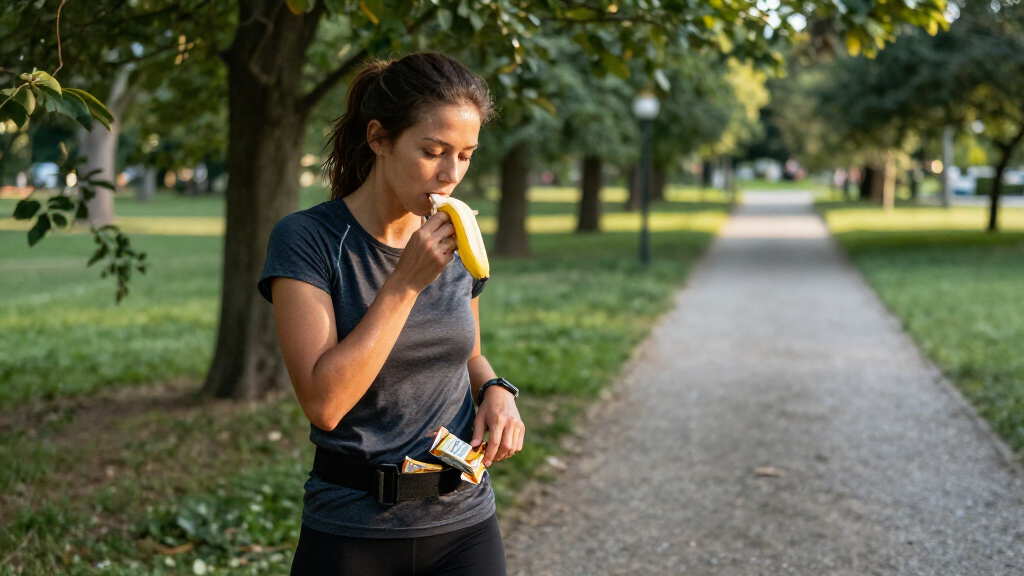
I compared these 12 running snacks by how well their format suits eating during a run: packability, portion size, ease of handling, and whether the texture seems practical when a runner is moving. I also considered the range of formats, including waffles, bars, bites, gels, chews, and sport beans, because no single texture works for every runner or distance.
The ranking favors options with a clear role for run-day fueling and a useful balance of portability and substance. Products with more specialized attributes, such as caffeine or protein emphasis, rank lower for general use because they suit narrower needs. Similar products are separated by their format and intended buyer rather than treated as interchangeable; the two CLIF BAR Minis flavors, for example, share a role, while gel, chew, and bite options call for different eating preferences. Product names and listed pack formats inform this comparison, but runners should check individual labels for ingredients, allergens, and nutrition details that matter to them.
Factors to Consider When Choosing Running Snacks
Choose a running snack for the moment you plan to eat it, not just for its flavor or ingredient claims. These broader checks can help you narrow the format before comparing individual products.
Match the format to your pace and run length
A snack you can comfortably eat during an easy jog may be awkward during intervals or a race. Waffles, bars, and bites take more chewing, so they can feel more suited to breaks or steady running than to a hard effort. Gels and smaller chews may be simpler to portion while moving, but some runners dislike their texture. Don’t assume a product marketed for exercise will suit every pace. Try the format during a training run before relying on it at an event. Let the planned effort and your own comfort guide the choice.
Think about portioning, not just package size
A large multipack can be convenient at home, but it doesn’t tell you how easy one serving is to carry or eat. Individual packets may keep portions organized, while a bigger bag of small pieces can leave you deciding how much to take and how to store the rest. Check whether you can open the packaging with one hand or while wearing gloves, especially if you expect to eat on the move. A snack that is easy to split can help you avoid eating more than you want at once. The common mistake is buying in bulk before confirming that the serving format fits your running belt or pocket.
Treat texture as a personal performance factor
Running can make dry, sticky, dense, or highly chewy foods less appealing than they are at rest. There is no universal best texture: a runner who enjoys a crisp bite may prefer a waffle, while another may find small chews easier to manage. Try a few formats at low-stakes training sessions rather than buying several boxes of the same type right away. Also note whether you prefer one larger snack or several small pieces. If a texture makes you postpone eating, its listed features won’t help you during a run.
Check ingredients and dietary fit before choosing a favorite
Product names and labels can point to organic, plant-based, gluten-free, or protein-forward options, but those descriptions do not replace checking the full ingredient and allergen information. Peanut-based products, for example, may not suit runners avoiding peanuts, and recipes can vary between flavors. If you have a dietary restriction or a sensitive stomach, read the label for the exact variety you plan to buy. Avoid assuming that a snack’s intended use means it will agree with you. Test any new product during training, when you have time to adjust your plan.
Decide whether caffeine or protein matches the moment
Some runners specifically want caffeine in a run snack, while others prefer to keep caffeine intake predictable and separate. Check the product label and your own tolerance rather than treating caffeine as an automatic benefit. Protein-forward snacks can appeal as filling options, but their denser format may be less convenient to eat during a hard run than a small chew or gel. Think about whether the snack is for before, during, or after exercise; the same product may fit one moment better than another. Paying extra attention to a specialized feature makes sense only when it matches your routine.
Buy for a repeatable routine, not novelty alone
A variety pack can help you compare flavors, but a mix of options is useful only if you are willing to test them before a key workout. Once you find a format that sits well and is easy to carry, consistency may matter more than having many flavors on hand. Don’t buy a large multipack solely because the package count looks convenient; first confirm that you like the texture and can use the portions. Runners who train often may value repeat availability and simple packing more than novelty. If you are new to fueling, start with a small range of formats and build a routine gradually.
Frequently Asked Questions
Should I choose a running gel, chew, or solid snack?
Pick based on what you can comfortably eat while moving, rather than assuming one format works best for everyone. Gels are compact, chews offer small pieces, and solid snacks such as waffles or bars require more chewing. A solid may feel more satisfying, but it can be less convenient during a fast effort. Try your preferred option on a training run at the pace you expect to maintain. If you are unsure, comparing one small pack of each format can be more useful than committing to a bulk pack.
Are protein bars a good choice to eat during a run?
They can suit some runners, but protein-forward bars and bites may feel denser or take longer to chew than gels and chews. That can make them easier to eat before a run, during a pause, or on an easy outing than during a hard session. The product’s protein emphasis alone does not tell you how it will feel while running. Check the serving size and ingredients, then test it on a routine training day. If eating it disrupts your pace or feels uncomfortable, choose a lighter format for run-time fueling.
Is a caffeinated running snack right for every long run?
No. A caffeinated option such as CLIF BLOKS with caffeine is most relevant to runners who deliberately include caffeine and already know how they respond to it. Check the label for caffeine information and account for other sources you consume that day. If you are sensitive to caffeine or unfamiliar with the product, don’t make a race or demanding workout your first trial. A non-caffeinated chew or another snack format can be a better fit when you want to keep caffeine separate. Choose based on your routine, not just the presence of the ingredient.
How can I tell if a snack will be easy to carry on a run?
Look at the individual serving packaging and whether it fits your belt, vest, or pocket without awkward bulk. Small chews and single-serving packs can be easier to divide and store than a larger bag, while a waffle or bar may take up more space but offer a more substantial bite. Also think about opening and resealing: packaging that is difficult to handle can be inconvenient once you are moving. Try carrying the snack on a training run before choosing a multipack for regular use. The listed pack count alone does not show how practical each portion feels on your route.
Which running snack should I try first if I’m new to fueling?
Start with a format that seems easy to eat and carry, then test a modest amount during a familiar, low-pressure run. A mini bar or a few chews can offer a manageable starting point, while gels may appeal if you prefer a compact format. Avoid trying several unfamiliar snacks at once, since that makes it harder to tell which one suits you. Check ingredient and allergen details before sampling, especially if you have known sensitivities. Build your choice around comfort and practicality rather than a product’s performance claims.
Conclusion
For most runners, I’d start with Honey Stinger Organic Mini Honey Waffles as the best overall pick, thanks to their middle ground between a substantial bite and a run-focused snack format. For compact, chewable fuel, choose Skratch Labs Energy Chews; runners who prefer a familiar mini-bar format can compare the two CLIF BAR Minis flavors as a practical value-oriented option. Beginners may find small chews or mini bars easier to test in training than committing to a format they have never tried. For a more specialized choice, CLIF BLOKS with caffeine suit runners who want caffeine, while KIND Peanut Butter & Dark Chocolate or RXBAR Protein Energy Bites may appeal to those prioritizing a more filling, protein-forward snack. Choose the format you can carry and eat comfortably, then test it before relying on it for a key run.