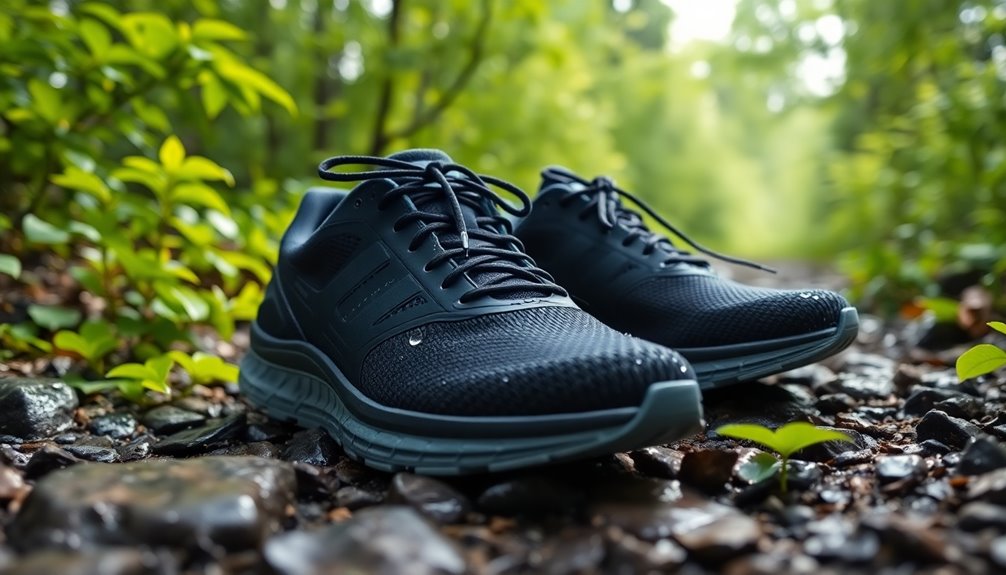

Waterproof running shoes help keep rain and puddles from soaking your socks, but a protective upper can feel warmer and less airy than a standard shoe. My best overall pick is the Brooks Cascadia 19 GTX for wet, uneven trails, while the New Balance Fresh Foam X 880 V15 Gore-Tex is a standout for road runners who want waterproofing in a cushioned daily trainer. For a more trail-focused option, the Salomon Alphacross 5 Gore-TEX puts grip and off-road use ahead of road versatility. The main tradeoff is protection versus breathability, with fit and outsole grip also changing how each shoe suits a route. Read on for the full comparison and a guide to choosing the right pair for your running conditions.

Get workout gear delivered free with Prime
- Fast, free delivery on millions of items
- Prime Video, Amazon Music and more included
- Member-only deals all year
Complete the kit

Key Takeaways
- The Brooks Cascadia 19 GTX is the clearest trail specialist: its waterproof build and mountain-trail focus make it a stronger match for rough, wet routes than road-oriented options.
- The New Balance 880 V15 Gore-Tex fills a different gap: it brings waterproof protection to a road-running daily trainer, while trail models prioritize underfoot grip and uneven terrain.
- Not every shoe in the lineup is waterproof: the Brooks Ghost 17, New Balance Fresh Foam Arishi V4, and Brooks Adrenaline GTS 24 are non-waterproof alternatives for runners who value airflow or support over rain protection.
- Use case matters more than the membrane name: dedicated trail models suit mud and loose ground, while walking-focused shoes such as the Skechers GO Walk Joy Sareh are not a substitute for a running shoe on demanding routes.
- Waterproofing has a comfort cost: a sealed upper can help block outside water but may retain heat, so frequent warm-weather runners may prefer a breathable non-waterproof shoe.
| Under Armour Men’s Charged Bandit Trail 3 Storm Proof Trail Running Shoes |  | Best Lightweight Trail Pick | Upper material: Polyester | Inner material: Polyester | Sole material: Rubber | VIEW ON AMAZON | See Our Full Breakdown |
| Salomon Men’s Alphacross 5 Gore-TEX Trail Running Shoes |  | Best for Muddy Trails | Waterproofing: Gore-Tex membrane | Upper material: Mesh with Gore-Tex membrane | Midsole: Fuze Foam | VIEW ON AMAZON | See Our Full Breakdown |
| Adidas Mens Terrex Tracefinder 2 Climaproof Trail Running |  | Best for Mixed-Terrain Versatility | Weather protection: CLIMAPROOF technology | Midsole foam: LIGHTMOTION | Outsole: TRAXION rubber | VIEW ON AMAZON | See Our Full Breakdown |
| New Balance Men’s Fresh Foam X 880 V15 Gore-Tex |  | Best Cushioned Road Option | Waterproof fabric: GORE-TEX | Upper material: Mesh | Midsole foam: Fresh Foam X | VIEW ON AMAZON | See Our Full Breakdown |
| Brooks Men’s Ghost 17 Neutral Running Shoe |  | Best Smooth-Riding Road Pick | Waterproof construction: GORE-TEX Invisible Fit | Cushioning: Nitrogen-infused DNA LOFT v3 | Outsole: Rubber with grip described for wet sidewalks | VIEW ON AMAZON | See Our Full Breakdown |
| Brooks Women’s Ghost 17 Neutral Running Shoe |  | Best for Everyday Wet-Road Running | Waterproof technology: GORE-TEX Invisible Fit | Cushioning: Nitrogen-infused DNA LOFT v3 | Sole material: Rubber | VIEW ON AMAZON | See Our Full Breakdown |
| Skechers Women’s GO Walk Joy Sareh Waterproof Walking Sneaker |  | Best for Casual Wet-Weather Walks | Waterproof: Yes | Cushioning technology: 5Gen | Insole: Air-Cooled Goga Mat with high-rebound cushioning | VIEW ON AMAZON | See Our Full Breakdown |
| Brooks Men’s Cascadia 19 GTX Waterproof Mountain Trail Running Shoe |  | Best for Rugged Wet Trails | Waterproof technology: GORE-TEX | Cushioning: DNA LOFT v3 | Outsole: TrailTack Green rubber | VIEW ON AMAZON | See Our Full Breakdown |
| New Balance Men’s Fresh Foam Arishi V4 Running Shoe |  | Best Dry-Weather Alternative | Cushioning: Fresh Foam | Outer material: Mesh | Sole material: Rubber | VIEW ON AMAZON | See Our Full Breakdown |
| Brooks Men’s Adrenaline GTS 24 Supportive Running Shoe |  | Best for Supported Wet-Weather Road Runs | Waterproof technology: GORE-TEX Invisible Fit | Support system: GuideRails holistic support | Cushioning: DNA LOFT v3 | VIEW ON AMAZON | See Our Full Breakdown |
| waterproof running shoe | Sole material | Cushioning | Origin | Inner material |
|---|---|---|---|---|
| Under Armour Men’s Charged Ban | Rubber | Charged Cushioning | Imported | Polyester |
| Salomon Men’s Alphacross 5 Gor | — | — | — | — |
| Adidas Mens Terrex Tracefinder | Rubber | — | Imported | — |
| New Balance Men’s Fresh Foam X | Rubber | — | Imported | — |
| Brooks Men’s Ghost 17 Neutral | Rubber | Nitrogen-infused DNA LOFT v3 | Imported | Nylon |
| Brooks Women’s Ghost 17 Neutra | Rubber | Nitrogen-infused DNA LOFT v3 | — | Nylon |
| Skechers Women’s GO Walk Joy S | Ethylene Vinyl Acetate | — | Imported | Fabric |
| Brooks Men’s Cascadia 19 GTX W | Rubber | DNA LOFT v3 | — | — |
| New Balance Men’s Fresh Foam A | Rubber | Fresh Foam | Imported | — |
| Brooks Men’s Adrenaline GTS 24 | Rubber | DNA LOFT v3 | — | Nylon |
More Details on Our Top Picks
Under Armour Men’s Charged Bandit Trail 3 Storm Proof Trail Running Shoes
The Charged Bandit Trail 3 is the light, flexible choice here for runners who want trail grip without the more substantial feel of the Salomon Alphacross 5 Gore-TEX. Its mesh upper, durable overlays, and molded sockliner aim to keep the shoe comfortable and breathable, while Charged Cushioning adds a responsive feel for everyday trail outings. The rubber outsole is a useful match for dirt paths and varied trail surfaces. The main caveat for a waterproof-shoe roundup is that the supplied details call the shoe “Storm Proof” but do not specify a waterproof membrane, so I would not treat it as the strongest pick for sustained rain or puddles. Its lighter construction may also offer less support on long runs than more cushioned options such as the New Balance Fresh Foam X 880 V15 Gore-Tex.
Pros:- Lightweight construction suits runners who prefer a less bulky trail feel
- Breathable mesh upper is intended to help manage heat
- Charged Cushioning provides a responsive ride
- Rubber outsole offers traction for trail use
Cons:- No waterproof membrane is specified in the supplied product details
- May lack support for long-distance runs
- Limited color options
Best for: Runners who favor a lightweight, flexible trail shoe for shorter outings on damp or changeable trails and do not need confirmed membrane-level waterproofing.
Not ideal for: Runners who regularly cross puddles, run in prolonged rain, or need substantial support for long-distance trail sessions; the supplied product details do not confirm a waterproof membrane.
- Upper material:Polyester
- Inner material:Polyester
- Sole material:Rubber
- Cushioning:Charged Cushioning
- Sockliner:Molded
- Upper construction:Breathable mesh with durable overlays
- Weight:Lightweight
- Origin:Imported
Our verdict“Choose this for lightweight trail flexibility, but pick the Salomon Alphacross 5 Gore-TEX if verified waterproof protection is your priority.”
Salomon Men’s Alphacross 5 Gore-TEX Trail Running Shoes
For wet off-road routes, the Alphacross 5 makes the clearest waterproof case in this group: its Gore-Tex membrane is paired with a 6.5 mm lug depth and Contagrip rubber outsole. That combination targets muddy paths and mixed terrain more directly than the road-oriented New Balance Fresh Foam X 880 V15 Gore-Tex, whose wet-grip outsole is described for road conditions. Fuze Foam cushioning adds comfort for longer outings, while the secure lacing system helps keep the fit stable over uneven ground. The tradeoff is a more substantial, potentially stiff feel at first, so runners seeking a light, flexible shoe may prefer the Under Armour Charged Bandit Trail 3. I would choose the Salomon when waterproof trail traction matters more than low weight.
Pros:- Gore-Tex membrane provides specified waterproof, breathable protection
- Deep 6.5 mm lugs are suited to muddy and loose trails
- Contagrip rubber outsole targets traction across varied terrain
- Fuze Foam midsole provides cushioning for longer trail outings
Cons:- Heavier than lightweight running shoes
- May feel stiff during the initial break-in period
- Aggressive trail tread is less tailored to routine pavement running
Best for: Trail runners who often face rain, mud, gravel, or rocky paths and want a specified waterproof membrane with deep-lug traction.
Not ideal for: Road-focused runners or anyone seeking the lightest, most flexible feel; its trail build may feel heavier and initially stiff.
- Waterproofing:Gore-Tex membrane
- Upper material:Mesh with Gore-Tex membrane
- Midsole:Fuze Foam
- Outsole:Contagrip rubber
- Lug depth:6.5 mm
- Materials:Mesh, foam, and rubber
- Lacing:Secure lacing system
Our verdict“Pick the Alphacross 5 when wet, muddy trails call for confirmed waterproofing and deep grip, and accept the more substantial feel.”
Adidas Mens Terrex Tracefinder 2 Climaproof Trail Running
The Terrex Tracefinder 2 is aimed at runners whose routes shift from maintained paths to rougher ground. Its CLIMAPROOF technology is described as blocking external moisture while letting sweat escape, giving it a stronger stated weather-protection case than the Under Armour Charged Bandit Trail 3, whose supplied details do not specify a waterproof membrane. LIGHTMOTION foam and an OrthoLite sockliner add cushioning, while the TRAXION outsole and aggressive lugs are designed for grip on dirt, wet roots, and rocky sections. That broad trail focus is the appeal, but the supplied data gives no membrane rating, lug depth, or weight to help judge how it compares with the Salomon Alphacross 5 Gore-TEX in sustained wet conditions. Its trail tread is also less suited to runners who mainly cover pavement.
Pros:- CLIMAPROOF technology is described as blocking moisture while allowing sweat to escape
- TRAXION rubber and aggressive lugs target grip across varied trail surfaces
- LIGHTMOTION foam is designed for cushioned, responsive support
- Reinforced upper and higher toe box add protection on rough routes
Cons:- Supplied product data does not specify a waterproof rating or membrane construction
- No weight or lug-depth figures are provided for direct comparison
- Aggressive trail tread is less appropriate for mostly paved routes
Best for: Runners who want one trail shoe for maintained paths and rougher routes, with stated moisture protection and multi-directional traction.
Not ideal for: Road-dominant runners or buyers who need detailed waterproof ratings, lug measurements, or weight data before choosing a shoe.
- Weather protection:CLIMAPROOF technology
- Midsole foam:LIGHTMOTION
- Outsole:TRAXION rubber
- Sockliner:OrthoLite
- Closure:Lace-up
- Upper:Durable reinforced construction
- Sole material:Rubber
- Origin:Imported
Our verdict“Choose the Terrex for varied trail terrain and stated CLIMAPROOF protection, but favor the Salomon if you want a specified Gore-Tex membrane and lug depth.”
New Balance Men’s Fresh Foam X 880 V15 Gore-Tex
The Fresh Foam X 880 V15 Gore-Tex is the road-running counterpart to trail-focused picks such as the Salomon Alphacross 5 Gore-TEX. Its GORE-TEX waterproof fabric is made for protection from rain and water, while the Fresh Foam X midsole prioritizes cushioning for road miles. Hydrohesion rubber is intended to add grip in wet conditions, and reflective details help with visibility when rainy weather brings low light. That makes this a practical choice for runners who stay on sidewalks or roads rather than muddy, uneven trails. The waterproof fabric may feel less breathable than a non-waterproof running shoe, and the build may weigh more than a standard road model. For off-road traction, the Salomon’s deep lugs are a better match; for wet pavement and cushioning, the New Balance has the more relevant design.
Pros:- GORE-TEX fabric provides specified waterproof protection
- Fresh Foam X midsole prioritizes cushioning for road running
- Hydrohesion rubber outsole is designed for wet-condition grip
- Reflective details support visibility in low light
Cons:- Waterproof fabric may reduce breathability compared with non-waterproof shoes
- May feel heavier than non-waterproof running shoes
- Wet-road outsole is not described with the deep lugs needed for muddy trails
Best for: Road runners who want a cushioned daily shoe with specified GORE-TEX protection for rainy runs and reflective details for low-light conditions.
Not ideal for: Trail runners who need deep lugs for mud or uneven terrain, or runners who prioritize maximum breathability and the lightest possible road shoe.
- Waterproof fabric:GORE-TEX
- Upper material:Mesh
- Midsole foam:Fresh Foam X
- Outsole:Hydrohesion rubber
- Visibility:Reflective details
- Sole material:Rubber
- Origin:Imported
Our verdict“Choose the 880 V15 Gore-Tex for cushioned, rainy road miles; pick the Salomon Alphacross 5 for muddy trails and deeper traction.”
Brooks Men’s Ghost 17 Neutral Running Shoe
The Ghost 17 GTX is the smooth-road option for runners who want weather protection without switching to a trail shoe. Its GORE-TEX Invisible Fit is bonded to the upper for breathable waterproof coverage, while nitrogen-infused DNA LOFT v3 cushioning and flex grooves are intended to soften landings and keep toe-off feeling fluid. Compared with the New Balance Fresh Foam X 880 V15 Gore-Tex, this Brooks emphasizes a smooth, adaptable ride and road grip rather than calling out a dedicated wet-traction rubber compound. Its outsole is described as providing grip on wet sidewalks, but the product details do not specify deep trail lugs, so it is a poor match for muddy routes like those suited to the Salomon Alphacross 5. This listing also has a title that omits GTX even though its description specifies Ghost 17 GTX features, so buyers should verify the exact version.
Pros:- GORE-TEX Invisible Fit is bonded to the upper for waterproof protection
- DNA LOFT v3 cushioning is designed to provide a soft, adaptive feel
- Flex grooves support a smooth toe-off
- Rubber outsole is described as providing grip on wet sidewalks
Cons:- No deep-lug trail outsole is specified for mud or rough off-road terrain
- The supplied title omits GTX even though the description identifies Ghost 17 GTX features
- Waterproof construction may be less breathable than a non-waterproof road shoe
Best for: Road runners and walkers seeking a smooth, cushioned shoe with stated GORE-TEX protection for rainy sidewalks and outdoor workouts.
Not ideal for: Trail runners who need aggressive lugs, or buyers who need the product title and waterproof version to be unambiguous before ordering.
- Waterproof construction:GORE-TEX Invisible Fit
- Cushioning:Nitrogen-infused DNA LOFT v3
- Outsole:Rubber with grip described for wet sidewalks
- Upper:Mesh
- Inner material:Nylon
- Sole material:Rubber
- Intended use:Road running, walking, hiking, and cross training
- Origin:Imported
Our verdict“Choose the Ghost 17 GTX description’s road-focused, cushioned ride for rainy sidewalks, but verify the GTX version and choose a trail model for mud.”
Brooks Women’s Ghost 17 Neutral Running Shoe
For runners who want waterproof protection without giving up a familiar neutral road-shoe feel, the Ghost 17 GTX is the strongest fit in this group. Its GORE-TEX Invisible Fit construction is bonded to the upper, helping keep the shoe flexible rather than adding a separate, bulky waterproof layer. DNA LOFT v3 cushioning and flex grooves are aimed at soft landings and smoother toe-offs on regular runs, while the rubber outsole is designed for wet sidewalks.
Compared with the Brooks Cascadia 19 GTX, this model favors road comfort over trail-focused protection and grip. That makes it a better match for pavement, but a weaker choice for rocky or muddy routes. The waterproof membrane can also feel warmer than a standard mesh shoe, and this neutral design lacks the Adrenaline GTS 24’s GuideRails support.
Pros:- GORE-TEX Invisible Fit provides breathable waterproof protection with a flexible upper construction.
- DNA LOFT v3 cushioning is designed for comfortable everyday running and walking.
- Flex grooves support smoother transitions through toe-off.
- Rubber outsole is designed to grip wet sidewalks.
Cons:- Neutral support may not suit runners seeking stability guidance.
- Road-focused outsole and design are less suited to rugged trails than the Cascadia 19 GTX.
- Waterproof construction may feel warmer than a non-waterproof mesh running shoe.
Best for: Road runners and walkers who want a neutral, cushioned shoe for rainy commutes and wet pavement.
Not ideal for: Trail runners who need a rock shield and trail-specific grip, or runners who prefer structured support such as the Adrenaline GTS 24 provides.
- Waterproof technology:GORE-TEX Invisible Fit
- Cushioning:Nitrogen-infused DNA LOFT v3
- Sole material:Rubber
- Outer material:Mesh
- Inner material:Nylon
- Intended activities:Road running, walking, hiking, and outdoor cross training
- Environmental information:Certified carbon neutral
Our verdict“Choose the Ghost 17 GTX for cushioned, neutral road miles in wet weather, not for technical trails or added stability support.”
Skechers Women’s GO Walk Joy Sareh Waterproof Walking Sneaker
The GO Walk Joy Sareh is the walking-first pick here: its waterproof, breathable mesh upper and 5Gen cushioning suit errands, dog walks, and casual outings better than demanding run training. The Air-Cooled Goga Mat insole adds a springy underfoot feel, and machine-washable construction makes cleanup simpler after everyday use. Its flexible outsole also suits frequent walking on ordinary routes.
Compared with the Brooks Ghost 17 GTX, the Skechers is more clearly aimed at casual walking than steady road-running mileage; the Ghost offers a more running-specific cushioning and transition design. The Sareh’s lighter, flexible build is convenient, but the product information does not point to the support or durability features I would seek for high-impact training. Its mesh upper may also wear sooner with frequent rough use, and waterproof protection is not a substitute for trail-ready grip.
Pros:- Waterproof, breathable mesh upper is suited to wet-weather walking.
- 5Gen cushioning and an Air-Cooled Goga Mat insole provide a responsive feel.
- Flexible traction outsole suits casual routes.
- Machine-washable construction simplifies routine cleaning.
Cons:- May not provide enough support for high-impact running.
- Mesh upper may be less durable with sustained, rough use.
- Walking-oriented design is less suited to technical trails than the Cascadia 19 GTX.
Best for: Walkers who need a waterproof shoe for errands, neighborhood routes, and other low-impact daily activities.
Not ideal for: Runners training for frequent high-impact sessions or people seeking substantial support and rugged trail protection.
- Waterproof:Yes
- Cushioning technology:5Gen
- Insole:Air-Cooled Goga Mat with high-rebound cushioning
- Sole material:Ethylene Vinyl Acetate
- Outer material:Mesh
- Inner material:Fabric
- Machine washable:Yes
- Origin:Imported
Our verdict“Pick the Sareh for easy-care waterproof walking comfort, but choose a running-specific model for regular training.”
Brooks Men’s Cascadia 19 GTX Waterproof Mountain Trail Running Shoe
When the route is muddy, uneven, or strewn with rocks, the Cascadia 19 GTX is the most trail-focused option in this batch. GORE-TEX waterproofing helps block rain and trail splash, while the Trail Adapt System and Ballistic Rock Shield address the unstable footing and underfoot debris that road shoes are not built around. TrailTack Green rubber provides the shoe’s trail-oriented grip, and DNA LOFT v3 cushioning adds comfort for longer outings.
Compared with the Brooks Ghost 17 GTX, the Cascadia trades road-running smoothness and a lighter everyday feel for protection and control on rugged ground. That specialization is useful off-road but makes it less appealing for routine pavement miles. The waterproof build may weigh more than a non-waterproof trail shoe, and the protective features can feel like overkill on flat routes. It is a more technical choice than the Skechers Sareh, which is intended for walking rather than rough trails.
Pros:- GORE-TEX construction provides waterproof protection for wet trail conditions.
- Trail Adapt System and Ballistic Rock Shield address uneven terrain and underfoot debris.
- TrailTack Green rubber outsole is designed for trail traction.
- DNA LOFT v3 cushioning adds softness for outdoor outings.
Cons:- May feel heavier than non-waterproof trail shoes.
- Protective trail features are unnecessary for most pavement running.
- Specialized construction is less suited to everyday road use than the Ghost 17 GTX.
Best for: Trail runners who face wet, rocky, or uneven terrain and want waterproofing with added underfoot protection.
Not ideal for: Road runners seeking a light daily trainer, or casual walkers who do not need trail protection and a rugged outsole.
- Waterproof technology:GORE-TEX
- Cushioning:DNA LOFT v3
- Outsole:TrailTack Green rubber
- Trail support:Trail Adapt System
- Underfoot protection:Ballistic Rock Shield
- Outer material:Mesh
- Sole material:Rubber
- Environmental information:Certified carbon neutral
Our verdict“Choose the Cascadia 19 GTX for wet, technical trails where grip and underfoot protection matter more than a light road feel.”
New Balance Men’s Fresh Foam Arishi V4 Running Shoe
The Arishi V4 is the lightweight, breathable contrast in this roundup, not a waterproof recommendation. Its mesh upper favors airflow, while the Fresh Foam cushioning and rubber outsole suit road running, training, and daily wear in dry conditions. That makes it a plausible choice for someone who values ventilation and a versatile everyday shoe more than rain protection.
Compared with the Brooks Ghost 17 GTX or Adrenaline GTS 24 GTX, however, the Arishi lacks listed waterproof construction, so wet-weather protection is its clear limitation. The 6mm drop is a useful fit detail, but the product information does not specify arch support, and its design is not presented as trail-focused. I would treat it as a dry-day alternative in this lineup, not as a shoe for keeping feet dry through rain or puddles.
Pros:- Breathable mesh upper is suited to warmer, dry conditions.
- Lightweight cushioning supports road running and daily wear.
- Rubber outsole offers traction on varied everyday surfaces.
- 6mm drop provides a defined fit specification for shoe comparisons.
Cons:- No waterproof feature is listed, making it a poor choice for rainy runs.
- Arch support is not specified in the supplied product information.
- Not presented as a trail-running shoe.
Best for: Runners and active users seeking a breathable, lightweight shoe for dry roads, training, and daily activities.
Not ideal for: Anyone shopping specifically for waterproof running shoes or runners who need a trail-oriented shoe or specified arch support.
- Cushioning:Fresh Foam
- Outer material:Mesh
- Sole material:Rubber
- Closure:Lace-up
- Drop:6mm
- Origin:Imported
- Waterproof feature:Not specified
Our verdict“Choose the Arishi V4 only if breathability for dry-day use matters more than the waterproof protection offered by the Brooks GTX models.”
Brooks Men’s Adrenaline GTS 24 Supportive Running Shoe
The Adrenaline GTS 24 GTX is the support-focused road option for runners who want waterproof protection and guidance in the same shoe. GORE-TEX Invisible Fit is described as breathable and waterproof, while GuideRails holistic support helps distinguish this model from neutral choices such as the Brooks Ghost 17 GTX. DNA LOFT v3 cushioning adds a softer ride, and the rubber outsole is intended to improve grip on wet surfaces.
That guidance is its main reason to choose it over the Ghost: runners who prefer a more supported feel may find the Adrenaline a better match, while neutral runners may favor the Ghost’s simpler ride. Compared with the Cascadia 19 GTX, the Adrenaline is aimed at road running rather than rugged trails and does not list trail-specific protection. Its specialized support may not suit every stride, and the running-and-walking focus limits its appeal as an all-purpose outdoor shoe.
Pros:- GORE-TEX Invisible Fit provides waterproof protection with breathable construction.
- GuideRails system offers a support-focused alternative to neutral shoes such as the Ghost 17 GTX.
- DNA LOFT v3 cushioning is designed for soft comfort.
- Rubber outsole is intended to improve traction on wet surfaces.
Cons:- GuideRails support may not suit runners who prefer a neutral feel.
- Road-oriented design lacks the trail protection listed for the Cascadia 19 GTX.
- Its running-and-walking focus makes it less versatile for other activities.
Best for: Road runners who want waterproof protection and a supportive feel for rainy training and walking.
Not ideal for: Neutral runners who prefer an unstructured ride, or trail runners needing the Cascadia’s rock protection and trail-specific design.
- Waterproof technology:GORE-TEX Invisible Fit
- Support system:GuideRails holistic support
- Cushioning:DNA LOFT v3
- Sole material:Rubber
- Outer material:Mesh
- Inner material:Nylon
- Traction:Rubber outsole
- Waterproof:Yes
Our verdict“Pick the Adrenaline GTS 24 GTX if you want a supported road-running feel in wet weather; choose the Ghost for a neutral ride.”
How We Picked
I compared the ten listed shoes by how well their stated design suits wet-weather running, separating waterproof models from shoes that offer no stated waterproof construction. I weighed the intended surface, outsole and trail orientation, cushioning and support focus, and whether the shoe makes sense for running, walking, or both. A waterproof label alone did not earn a high position: the protection needs to match the route, and the shoe should still make sense for the runner’s regular use.
The ranking favors shoes with a clear running role and a useful match between waterproofing and terrain. The Cascadia 19 GTX leads for its explicit mountain-trail waterproof purpose, while the 880 V15 Gore-Tex is the leading road-oriented pick. Other waterproof trail models follow according to their more specific terrain focus; non-waterproof shoes rank as alternatives for buyers who may prefer airflow, cushioning, or support over wet-weather protection. The walking sneaker ranks as a walking choice, not a technical running pick.
| waterproof running shoe | Inner material | Sole material | Cushioning | Outsole |
|---|---|---|---|---|
| Under Armour Men’s Charged Ban | Polyester | Rubber | Charged Cushioning | — |
| Salomon Men’s Alphacross 5 Gor | — | — | — | Contagrip rubber |
| Adidas Mens Terrex Tracefinder | — | Rubber | — | TRAXION rubber |
| New Balance Men’s Fresh Foam X | — | Rubber | — | Hydrohesion rubber |
| Brooks Men’s Ghost 17 Neutral | Nylon | Rubber | Nitrogen-infused DNA LOFT v3 | Rubber with grip described for wet sidewalks |
| Brooks Women’s Ghost 17 Neutra | Nylon | Rubber | Nitrogen-infused DNA LOFT v3 | — |
| Skechers Women’s GO Walk Joy S | Fabric | Ethylene Vinyl Acetate | — | — |
| Brooks Men’s Cascadia 19 GTX W | — | Rubber | DNA LOFT v3 | TrailTack Green rubber |
| New Balance Men’s Fresh Foam A | — | Rubber | Fresh Foam | — |
| Brooks Men’s Adrenaline GTS 24 | Nylon | Rubber | DNA LOFT v3 | — |
Factors to Consider When Choosing Waterproof Running Shoes
Before choosing a waterproof shoe, match its protection to the conditions you actually run in. Route, weather, and fit often matter more than choosing the shoe with the most aggressive trail features or the most familiar membrane name.
Match the shoe to your usual surface
Start with the ground beneath your feet, not the forecast. Road shoes are usually the more natural fit for pavement and paths, while trail shoes are designed around traction and stability on irregular ground. A lugged outsole can feel clumsy or wear differently on frequent pavement runs, so a trail model is not automatically a better rain shoe. For mixed routes, decide which surface makes up most of your distance and choose around that. If muddy or rocky trails are occasional rather than routine, a road-oriented waterproof shoe may be easier to live with.
Know what waterproof protection can and cannot do
A waterproof upper can help keep rain and shallow splashes from entering through the shoe material, but it does not make the entire shoe impervious to water. Water can still enter over the collar during deep puddles, stream crossings, or heavy flooding. Sealed construction can also hold heat and slow the escape of sweat, which may leave feet damp from the inside on warm runs. A common mistake is treating waterproofing as an all-weather upgrade. If your routes are mostly dry or your climate is mild, a breathable non-waterproof shoe may feel more comfortable across more of the year.
Check fit with the socks you plan to run in
Waterproof shoes can feel less forgiving than airy mesh models, so fit deserves attention before you commit. Try them with the socks you expect to wear in wet weather, and leave enough room in front of the toes for downhill running. A snug fit can reduce movement, but tightness across the forefoot may become more noticeable once feet warm and swell. Do not assume that sizing up will solve every issue; a longer shoe can let the heel slip. Use the brand’s fit guidance and return policy, especially if you are switching from a familiar model to a different upper construction.
Choose traction for the conditions, not the word ‘trail’
Outsole design affects wet-ground confidence, but no tread pattern performs equally well on slick pavement, wet rock, mud, and loose gravel. Deeper lugs generally make more sense on soft or uneven trails, while a road shoe is better suited to hard, predictable surfaces. A frequent buying mistake is choosing the most aggressive tread for every kind of rain; it may not provide the best feel on roads or smooth paths. Think about the surface that becomes slippery on your route, then prioritize traction for that material. If your runs span very different terrain, a single shoe may involve a real compromise.
Decide whether you need neutral cushioning or added support
Waterproof construction does not determine how much guidance or cushioning a shoe provides. Runners who already know they prefer a neutral platform should focus on that feel first, then narrow the choices by weather protection and surface. Those who rely on a supportive design should not switch to a neutral shoe solely because it is waterproof. Likewise, extra cushioning is not a guarantee of better comfort for every stride or distance. A useful approach is to keep your preferred ride and support style consistent, unless you have a specific reason to change it.
Weigh year-round use against wet-weather specialization
A waterproof pair makes the most sense when rain, cold, or wet trails are regular parts of your running schedule. If wet conditions are rare, paying the comfort cost of a sealed upper on every run may not suit you. Some buyers do better with a waterproof pair for poor weather and a breathable shoe for warm, dry days, while others want one versatile daily trainer. Consider how often each pair will leave the closet, along with drying time and care after muddy runs. Value comes from matching the shoe to repeated use, not from choosing the most specialized option available.
Frequently Asked Questions
Are the Brooks Ghost 17, New Balance Arishi V4, and Adrenaline GTS 24 waterproof?
These versions are not presented as waterproof shoes, so they should not be treated as rain-protective alternatives to the Gore-Tex or Storm Proof models in this roundup. They may suit runners who prioritize breathability, neutral cushioning, or supportive guidance instead. If your regular routes involve persistent rain or puddles, choose a model explicitly built with waterproof protection. For occasional showers, a non-waterproof shoe may still be a more comfortable year-round choice.
Can I use a waterproof trail shoe for road running?
You can, but the fit and outsole may be less suited to long stretches of pavement than a road-running model. Trail tread is designed for uneven or loose ground, and its feel can be unnecessary on smooth roads. If most of your runs are on pavement, the waterproof 880 V15 is the more road-focused match in this lineup. Choose a trail shoe when your route regularly calls for its grip and terrain handling, not just because rain is expected.
Will waterproof running shoes keep my feet dry in deep puddles?
Not reliably. Waterproof uppers can block water coming through the shoe’s material, but water can spill over the opening and soak socks from above. Deep puddles, stream crossings, and flooding can overwhelm the protection even when the shoe itself is intact. For routes with frequent water crossings, consider how quickly the shoe and socks can dry as well as the waterproof label. Waterproofing is best understood as protection from rain and splashes, not a guarantee of dry feet in every situation.
Should I buy waterproof shoes if my feet get hot when running?
Maybe not as your only pair. Waterproof construction can limit airflow and hold warmth, which may make hot-weather runs less comfortable for some runners. If rain is occasional and temperatures are usually mild or warm, a breathable non-waterproof option from the lineup may suit more of your weekly miles. If wet and cold conditions are frequent, a waterproof pair can still be useful, but fit and sock choice become especially relevant. Match the shoe to the weather you run in most often rather than the worst day of the year.
Is a waterproof walking sneaker suitable for running?
A walking-focused sneaker such as the Skechers GO Walk Joy Sareh is better treated as a choice for walking and casual wet-weather wear than for regular running. Running places different demands on fit, outsole response, and stability at faster paces. If you want a shoe for workouts, choose a model in the lineup specifically described as a running shoe and match it to road or trail use. The walking option may still make sense if your main need is comfortable everyday walking rather than running performance.
Conclusion
For most wet-trail runners, I recommend the Brooks Cascadia 19 GTX as the best overall pick because its stated mountain-trail purpose aligns directly with waterproof protection. The New Balance Fresh Foam X 880 V15 Gore-Tex is my best road-focused choice, while the Salomon Alphacross 5 Gore-TEX suits runners who want a dedicated trail option. For value, the Under Armour Charged Bandit Trail 3 Storm Proof is the straightforward pick for shoppers seeking a named Storm Proof trail model without stepping up to a more specialized mountain shoe. Beginners should choose based on their familiar surface and fit first; the 880 is the clearest road-running starting point, while the Cascadia fits a trail routine. For specific needs, select the Adidas Terrex Tracefinder 2 Climaproof for a trail-oriented waterproof option, the Brooks Adrenaline GTS 24 if support matters more than waterproofing, or the Skechers GO Walk Joy Sareh for walking rather than running. If warmth and airflow matter most, the non-waterproof Ghost 17 and Arishi V4 are alternatives, not substitutes for rain protection.
Halloween Picks
halloween
As an affiliate, we earn on qualifying purchases.