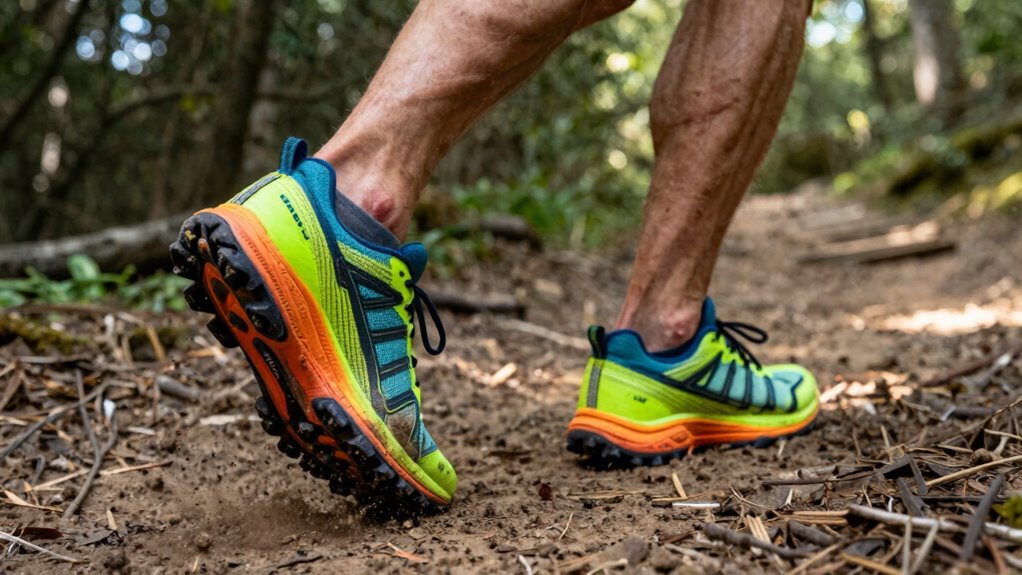
While extra cushioning might feel safer, it often adds unwanted weight and can disrupt your natural gait. Heavier shoes demand more effort with each step, increasing fatigue and reducing overall efficiency. Soft cushioning can impair proprioception, leading to poor foot placement and higher injury risks. Balancing cushioning and support is key to maintaining safety and performance. Keep exploring to discover how choosing the right shoes can improve your running experience and keep you injury-free.

Get workout gear delivered free — and shop member deals
- Fast, free delivery on millions of items
- Access to Prime Big Deal Days deals on October 6–7
- Prime Video, Amazon Music and more included
Key Takeaways
- Excessive cushioning increases shoe weight, making running more effortful and potentially leading to quicker fatigue.
- Overly cushioned shoes can impair proprioception, reducing foot awareness and increasing injury risk.
- Soft, heavily cushioned shoes may alter natural gait, causing improper landing and joint strain.
- Lighter shoes with less cushioning often promote better running form and efficiency.
- Balancing cushioning and support ensures safety, comfort, and optimal performance for different runners.
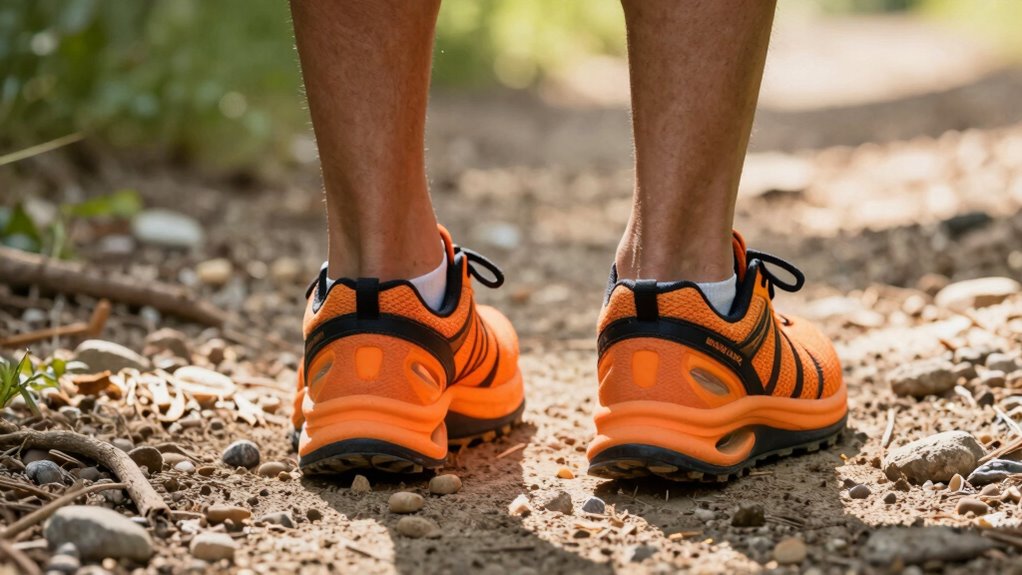
When it comes to safety gear, more cushioning might seem like the best way to protect yourself, but that’s not always the case. In running shoes, extra cushioning often translates to increased shoe weight, which can have unintended consequences on your performance. Heavier shoes demand more effort with each stride, making it harder to maintain your pace and potentially leading to quicker fatigue. The added weight can also negatively impact your running economy—the amount of energy you use to cover a certain distance. Even a slight increase in shoe weight can cause a noticeable decline in efficiency, forcing your muscles to work harder than necessary.
Many runners believe that maximum cushioning offers superior protection against impact forces, but it can actually do the opposite. Overly cushioned shoes tend to absorb shock but also diminish proprioception—the body’s ability to sense its position and movement. This can lead to less precise foot placement and a higher risk of injury, especially if your muscles and tendons aren’t engaged enough to stabilize your joints. Additionally, the softness of heavily cushioned shoes might cause your foot to sink in more than it would in a lighter, less cushioned model. This can alter your natural gait, increasing strain on certain muscles and joints that aren’t used to handling those forces.
Overly cushioned shoes reduce proprioception and can alter your gait, increasing injury risk and strain on muscles and joints.
The trade-off becomes clear when you consider that lighter shoes with less cushioning typically promote a more natural running form. They encourage you to land more efficiently on your midfoot or forefoot, which can improve your running economy over time. When you’re not bogged down by extra weight, your legs move more freely, and you conserve energy that you can use to run longer or faster. Many experienced runners swear by minimalist or moderately cushioned shoes because they feel more responsive and help maintain proper biomechanics.
Of course, comfort plays a role, and some runners prefer the plush feel of max-cushion shoes. But if you’re aiming for optimal performance and injury prevention, it’s essential to recognize that more cushioning isn’t always better. A shoe that’s too heavy or overly cushioned might provide a false sense of security but could ultimately hinder your progress. Instead, focus on finding a balance—light enough to enhance your running economy, supportive enough to protect your joints, and suited to your specific running style. That way, you maximize safety without sacrificing efficiency.
A good understanding of shoe weight and cushioning can help you make informed choices for your running needs.
As an affiliate, we earn on qualifying purchases.
Frequently Asked Questions
How Do I Determine My Ideal Running Shoe Cushioning Level?
To determine your ideal running shoe cushioning level, consider your cushioning preferences and shoe fit considerations. If you prefer a softer, more cushioned feel and have a neutral gait, opt for shoes with more padding. If you favor a closer ground contact and quicker response, go for less cushioning. Try on different options, pay attention to how the shoes fit, and test them on your usual runs to find what feels best.
Can Switching to Less Cushioned Shoes Improve My Running Performance?
Switching to less cushioned shoes can sharpen your stride and enhance performance, much like shedding excess weight to run faster. Embrace a minimalist transition gradually, allowing your muscles to adapt from barefoot running to avoid injury. This approach strengthens your foot muscles, improves proprioception, and boosts efficiency. While it’s a leap, carefully easing into less cushioned shoes may release new levels of speed and agility in your running.
Are There Specific Injuries Linked to Overly Cushioned Shoes?
Yes, overly cushioned shoes can lead to cushion-related injuries, including stress fractures and joint pain. They may also cause shock absorption issues, making your muscles and bones work harder to stabilize your body. If your shoes are too soft or thick, you might not get enough feedback from the ground, increasing injury risk. Consider balancing cushioning with support to reduce these risks and improve your overall running safety.
How Does Shoe Cushioning Affect Running Economy Over Long Distances?
You might find that shoe cushioning affects your running economy over long distances by influencing how efficiently you move. Lighter shoe material and advanced cushioning technology can reduce fatigue and energy expenditure, helping you run farther with less effort. However, overly cushioned shoes may reduce ground feel and stability, potentially decreasing efficiency. Balancing cushioning with your comfort and running style is key to optimizing your long-distance performance.
What Role Does Individual Biomechanics Play in Choosing Shoe Cushioning?
Your individual biomechanics, including your foot strike and gait, play a vital role in choosing shoe cushioning. By undergoing a biomechanical analysis, you can identify whether you land on your heel, midfoot, or forefoot, guiding you to select shoes that complement your natural movement. Proper cushioning can enhance comfort and efficiency, but the right choice depends on understanding how your unique biomechanics interact with different shoe designs.
Conclusion
Remember, more cushion isn’t always the safety net you imagine—sometimes, it’s the trap. Like a crutch that weakens your stride, excess padding can compromise your form and increase injury risk. So, choose your shoes wisely, balancing comfort with control. Don’t let the illusion of safety blind you; instead, listen to your body and find the perfect fit. After all, the road to injury-free running is paved with awareness, not just padding.
Fall Picks
fall essentials
As an affiliate, we earn on qualifying purchases.