
Relying solely on thirst to hydrate can leave you underhydrated because your body’s thirst signal may come after you’re already dehydrated, especially during intense activity, hot weather, or illness. Drinking only when thirsty doesn’t account for early dehydration signs or for certain groups like older adults. To stay properly hydrated, you need to proactively drink before you feel thirsty and understand the importance of balancing electrolytes. Keep exploring to learn how to optimize your hydration habits.

Get workout gear delivered free with Prime
- Fast, free delivery on millions of items
- Prime Video, Amazon Music and more included
- Member-only deals all year
Key Takeaways
- Drinking to thirst may delay fluid intake, leading to underhydration before the body signals a need.
- Thirst is an imperfect indicator; underhydration can occur even if you don’t feel thirsty.
- Relying solely on thirst can cause electrolyte imbalances, muscle cramps, and fatigue.
- Underhydration happens when fluid intake isn’t sufficient for activity level or environmental conditions.
- Proactive hydration involves drinking before thirst, preventing underhydration and supporting overall health.
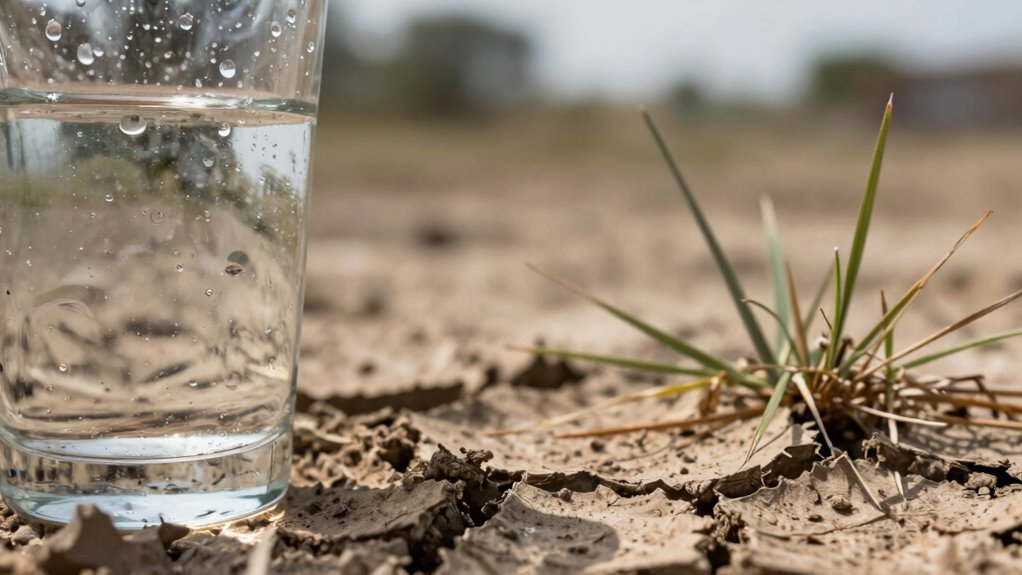
Many people assume that drinking water whenever they feel thirsty is enough to stay properly hydrated, but this isn’t always the case. Thirst is a helpful signal, but it isn’t a perfect indicator of your hydration status. Your body’s need for fluids can develop before you actually feel thirsty, especially during intense activity or in hot weather. Relying solely on thirst can lead to underhydration, which affects your body’s electrolyte balance and overall health.
Thirst isn’t a perfect sign; proactive hydration is essential for maintaining electrolyte balance and overall health.
Electrolytes—minerals like sodium, potassium, magnesium, and chloride—are essential for maintaining fluid balance, nerve function, and muscle contractions. When you underhydrate, your electrolyte levels can become imbalanced, leading to symptoms like muscle cramps, dizziness, and fatigue. Drinking only when thirsty might delay replenishing these electrolytes, especially if you’re losing fluids rapidly through sweat or illness. To prevent this, it’s important to contemplate hydration timing, meaning you should proactively hydrate before you start feeling parched, particularly during physical exertion or in hot environments. This way, you guarantee your body maintains a stable electrolyte balance, avoiding the pitfalls of underhydration.
Many people overlook the importance of consistent hydration habits. Instead of waiting for thirst to kick in, you can establish a routine of drinking small amounts of water regularly throughout the day. This helps maintain optimal hydration levels and keeps your electrolyte balance in check. If you’re active, you might need drinks that contain electrolytes, especially during prolonged exercise, rather than plain water alone. Proper hydration timing involves drinking before, during, and after activity, so your body doesn’t reach a dehydrated state. When you hydrate proactively, you support your body’s natural processes and help prevent dehydration-related issues. Recognizing early signs of dehydration can also help you adjust your hydration habits before symptoms worsen.
Additionally, understanding the role of electrolytes in overall health can motivate you to prioritize balanced hydration, especially during periods of increased fluid loss. It’s also vital to recognize that thirst isn’t always a reliable indicator, especially in certain populations like older adults or during illness, where the sensation of thirst can diminish. In such cases, consciously maintaining hydration through mindful intake becomes even more important. Being aware of the importance of hydration timing can help you develop better habits and prevent both dehydration and overhydration. Staying aware of your hydration status can be supported by understanding the role of electrolyte balance in overall health. Keep in mind that overhydration can be just as problematic as underhydration, so balance is key. Maintaining electrolyte balance through appropriate hydration timing ensures your body functions at its best, avoiding the risks associated with both dehydration and overhydration. Ultimately, understanding the difference between drinking to thirst and staying properly hydrated can help you make smarter choices, keeping you energized and healthy throughout the day.
As an affiliate, we earn on qualifying purchases.
Frequently Asked Questions
How Can I Tell if I’m Underhydrated Despite Feeling Thirsty?
If you’re still thirsty despite drinking fluids, you might be underhydrated, especially if your electrolyte balance is off. Look for signs like dry mouth, dark urine, or fatigue. Pay attention to hydration timing—drinking regularly throughout the day helps prevent underhydration. Even if you feel thirsty, make sure you’re replenishing electrolytes and drinking enough water to maintain proper hydration and avoid hidden dehydration symptoms.
Are There Specific Signs of Chronic Underhydration?
Chronic underhydration affects over 75% of adults, often silently harming your health. You might notice signs like persistent fatigue, muscle cramps, or dizziness. Electrolyte imbalance becomes common, disrupting nerve and muscle function. It can also impair kidney function, leading to long-term damage. If you’re consistently underhydrated, your body struggles to maintain essential processes, increasing risks for serious health issues. Recognizing these signs early helps prevent lasting harm.
Does the Color of My Urine Always Indicate Hydration Level?
Urine color can give you hydration indicators, but it’s not always a perfect measure. Light yellow usually means you’re well-hydrated, while dark urine suggests dehydration. However, factors like diet, medications, or supplements can affect urine color. So, while it’s a helpful indicator, don’t rely solely on urine color to assess your hydration status. Pay attention to how you feel and drink fluids regularly to stay properly hydrated.
Can Overhydration Be as Dangerous as Dehydration?
Overhydration can be just as perilous as dehydration, threatening your life with a silent, creeping danger. When you drink excessively, your electrolyte balance plummets, risking water intoxication and swelling of brain cells. Overhydration risks include seizures, coma, or even death. So, you must balance your fluid intake carefully, listening to your body’s signals, because too much water can be as deadly as too little.
What Are the Best Fluids for Proper Hydration?
To stay properly hydrated, you should choose fluids that support electrolyte balance and promote efficient fluid absorption. Water is essential, but electrolyte drinks, coconut water, or sports drinks help replenish minerals lost through sweat. These fluids guarantee your body maintains proper hydration levels, especially after intense activity. Avoid sugary or caffeinated drinks, which can hinder fluid absorption and disrupt electrolyte balance, potentially leading to dehydration or overhydration.
Conclusion
As you listen to your body’s gentle cues, imagine a clear stream flowing inside you, guiding your hydration. Drinking to thirst is like sipping from this steady stream, keeping your body’s landscape lush and vibrant. But when you ignore these signals, it’s as if the stream dries up, leaving your muscles and mind parched. So, stay tuned to your body’s quiet whispers—your internal oasis—and let hydration flow naturally, nourishing every part of you.
Columbus Day / Indigenous Peoples' Day Picks
long weekend sales
As an affiliate, we earn on qualifying purchases.