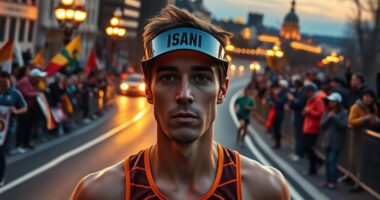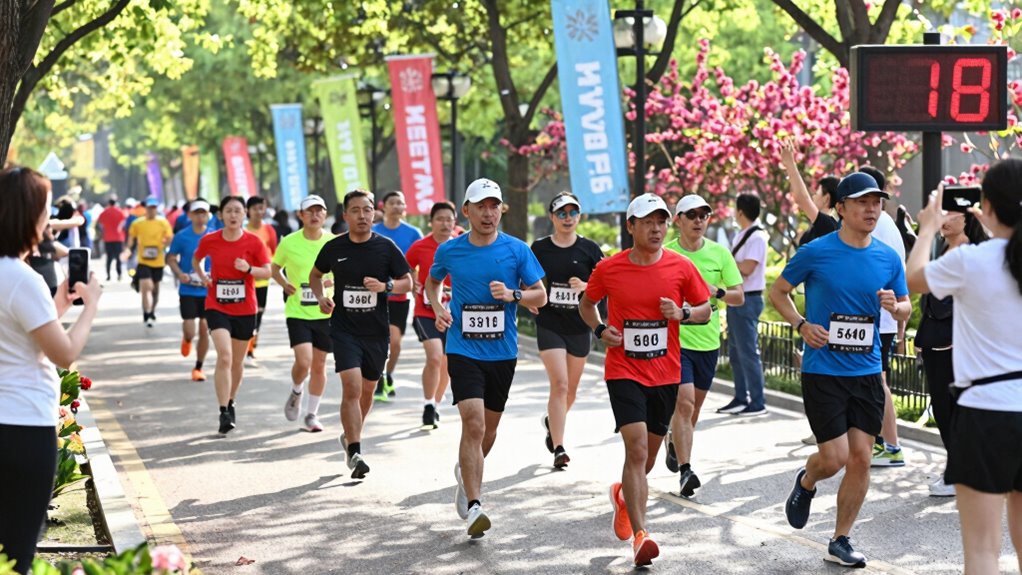

The 5K started over a century ago as part of larger race events and charity efforts, gradually becoming a standalone race that appeals to all fitness levels. Thanks to simple training methods and its low cost, it’s become an accessible entry point for many, transforming into a community and social event. Its inclusive nature, combined with its fun and motivational qualities, helps people set goals and feel accomplished. Keep exploring to discover how this race continues to inspire millions worldwide.

Get workout gear delivered free with Prime
- Fast, free delivery on millions of items
- Prime Video, Amazon Music and more included
- Member-only deals all year
Key Takeaways
- Originally part of larger races and charity events over a century ago, the 5K evolved into a standalone, accessible race format.
- Advances in training methods and a focus on inclusivity made 5Ks appealing to beginners and diverse participants.
- Community events and charity fundraisers transformed 5Ks into social gatherings promoting health and wellness.
- The low-cost, simple structure of 5Ks broke barriers, making running accessible to all fitness levels.
- The 5K’s growth from niche event to global movement inspires personal achievement and community connection worldwide.

The 5K race has become one of the most popular and accessible forms of running worldwide, but its origins trace back to more than a century ago. Originally, these races were part of larger events like road races and charity runs, often drawing communities together for causes they believed in. Over time, the 5K evolved into a standalone race that many beginners see as a perfect entry into the running world. Its growth is closely linked to evolving training methods, which have become more efficient and inclusive, allowing newcomers to build stamina without extensive equipment or training. Techniques like interval training, fartlek runs, and gradual mileage increases have made it easier for people of all fitness levels to prepare for a 5K. These methods emphasize consistency and gradual progress, making the experience less intimidating and more achievable. As a result, more individuals feel empowered to participate, boosting the race’s popularity and accessibility.
The cultural impact of the 5K is significant. It’s no longer just a race; it’s a social and community event that promotes health, wellness, and camaraderie. Many cities host annual 5K runs that serve as fundraisers for local charities, schools, or health initiatives, turning the race into a symbol of community support. These events often attract people from all walks of life, creating a shared experience that transcends age, background, and fitness level. The 5K also influences popular culture by inspiring running clubs, social media challenges, and fitness trends that emphasize a balanced, active lifestyle. Its simplicity and low cost make it accessible to almost everyone, which helps break down barriers to physical activity. Additionally, the 5K’s rise has been facilitated by community-oriented events, which have further encouraged widespread participation.
You can see how the 5K’s cultural impact extends beyond the race itself—it’s become a movement that encourages healthy habits and community engagement. The training methods adopted over the years have empowered countless individuals to set personal goals and achieve them, fostering a sense of accomplishment. Whether you’re a beginner or a seasoned runner, participating in a 5K allows you to connect with others in your community and embrace a healthier lifestyle. The race’s history reflects a shift from elite athleticism to a more inclusive, community-centered event that celebrates progress, perseverance, and participation. The 5K’s journey from a niche event to a global phenomenon demonstrates how accessible fitness can unite people and inspire change, making it truly everyone’s favorite entry race.
As an affiliate, we earn on qualifying purchases.
Frequently Asked Questions
What Are the Best Training Tips for Beginners?
To start your 5K journey, focus on proper running form to prevent injuries and boost efficiency. Follow a simple training plan that gradually increases distance, and pay attention to your nutrition plans to fuel your body correctly. Stay consistent, listen to your body, and incorporate rest days. With patience and dedication, you’ll build endurance and confidence, making your first race an enjoyable experience.
How Has 5K Technology Evolved Over Time?
You’ve seen 5K technology evolve with wearable tech and race timing systems. Wearable devices now monitor your heart rate, pace, and distance in real-time, giving you instant feedback. Race timing has advanced from manual stopwatches to sophisticated chip systems that track your performance precisely and instantly. This evolution makes training more efficient and races more accurate, helping you improve and enjoy the race experience every step of the way.
What Are Common Injuries in 5K Runners?
Think of your body as a finely-tuned machine; when your running biomechanics falter, injuries like shin splints, runner’s knee, or Achilles tendinitis often follow. Common injuries in 5K runners stem from overuse or poor form. To avoid setbacks, focus on injury prevention through proper technique, gradual training increases, and adequate rest. Listening to your body helps keep you running smoothly and prevents minor issues from becoming major problems.
How Do Race Strategies Differ for Various Age Groups?
You should adapt your race strategies based on your age group by focusing on age-specific training and pacing techniques. For younger runners, prioritize building endurance and speed with aggressive pacing, while older runners benefit from conservative pacing to conserve energy and prevent injury. Adjust your strategy to match your fitness level, using age-appropriate training to optimize your performance and enjoy the race safely.
What Are the Environmental Impacts of Large 5K Events?
You’re stepping into a world where large 5K events can leave a trail like a paper trail in the wind. Eco-friendly initiatives and waste management strategies act as your shield, reducing environmental impacts. By encouraging recycling, minimizing single-use plastics, and promoting green transportation, you help transform these races from environmental burdens into celebrations of sustainability. Your choices can turn a bustling race into a beacon of eco-consciousness, preserving nature’s beauty for future runners.
Conclusion
So, as you lace up for your next 5K, remember you’re stepping into a tradition that’s grown from local races to a global celebration of running. The 5K is like a welcoming handshake, inviting everyone to join the race and find their stride. Whether you’re a seasoned runner or just starting out, this race is your chance to be part of a story that’s as enduring as it is inspiring. Keep moving forward—your journey continues.
Halloween Picks
halloween
As an affiliate, we earn on qualifying purchases.