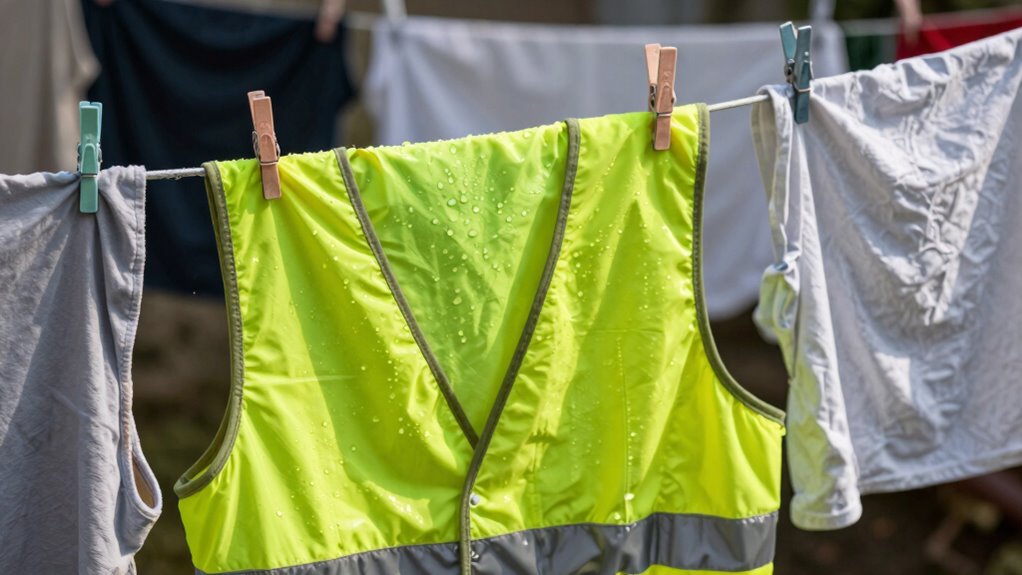
To keep your reflective gear visible after dozens of washes, always check the care label first. Wash in cold water with a gentle detergent on a delicate cycle, and avoid bleach or fabric softeners. Hand-washing offers better control and reduces damage. Air-dry in a shaded area to prevent degradation from sunlight. Regular inspections help you spot wear, and proper storage can extend your gear’s life. Stick around to discover more tips for maintaining your gear’s effectiveness.
Open a free Amazon Business account
Business pricing, bulk buying and tax-exempt orders.
As an affiliate, we earn on qualifying purchases.
Key Takeaways
- Follow care labels and wash in cold water using a gentle detergent to protect reflective properties.
- Hand-wash with a soft brush to gently scrub and maintain reflective areas.
- Avoid dryers and air dry in the shade to prevent heat damage to reflective material.
- Regularly inspect for wear; replace dull or peeling reflective patches as needed.
- Store gear properly, avoiding tight spaces to preserve shape and reflective effectiveness.
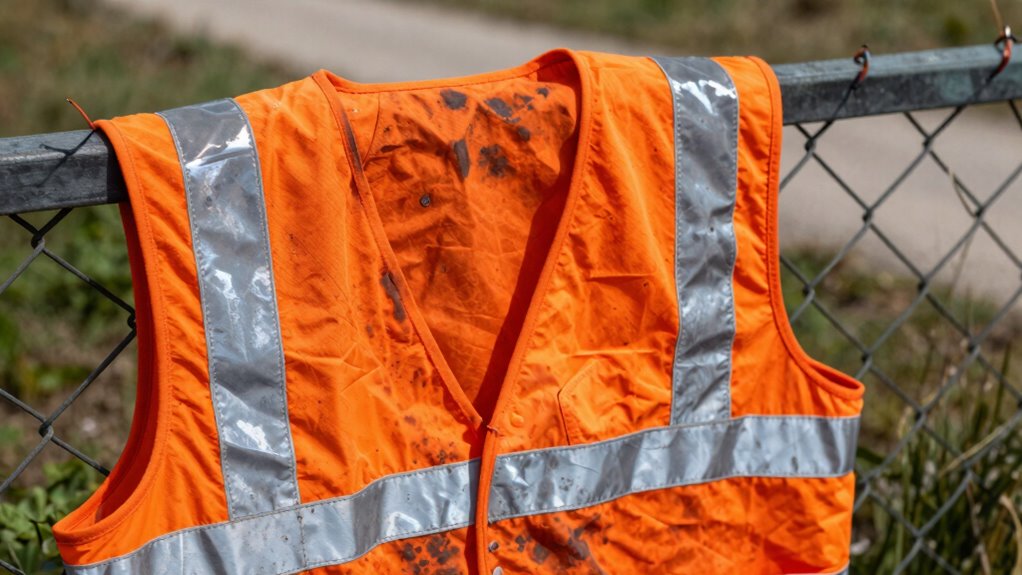
When you’re out in low-light conditions, keeping your reflective gear visible is important for your safety. You rely on that visibility to alert drivers and others around you, but over time, even the best gear can lose its reflective properties. If you want to maintain your gear’s effectiveness, you need to adopt some smart maintenance tips and proper washing techniques.
First off, always check the care label on your reflective gear. Some materials require special attention during washing. Generally, you should avoid using bleach or fabric softeners, as these can break down the reflective coating and diminish its effectiveness. Instead, opt for a gentle detergent, and wash your gear in cold water on a delicate cycle. This preserves the reflective elements while guaranteeing your gear stays clean. Regularly cleaning your gear can help prevent the buildup of dirt and grime that dulls its reflectivity.
Always check care labels and use gentle detergents to maintain the effectiveness of your reflective gear.
You might also want to take into account hand-washing your gear. This method allows for more control, reducing the risk of damaging the reflective properties. When hand-washing, use a soft brush or cloth to gently scrub the fabric, focusing on areas that tend to gather dirt and grime. Rinse thoroughly to confirm no soap residue remains, as this can also affect visibility enhancement. Additionally, proper maintenance of reflective gear can extend its lifespan and keep it functioning properly over time. Inspecting your gear regularly for wear and damage can help you identify when it’s time to replace or repair it, ensuring your safety isn’t compromised. Proper storage in a dry, cool place can also help prevent premature deterioration caused by environmental factors.
Drying your gear is another important step. Avoid tossing it in a dryer, as high heat can warp the reflective material. Instead, hang your gear to air dry in a shaded area, away from direct sunlight. Sun exposure can degrade the reflective quality over time, so keeping it out of harsh conditions is essential for gear longevity. Proper storage is equally important; storing your gear in a dry, cool place can prevent deterioration caused by moisture or extreme temperatures.
Inspect your gear regularly for any signs of wear or fading. If you notice that the reflective patches are getting dull or peeling, it might be time to replace them or think about applying a reflective spray on the affected areas. These sprays are designed to restore visibility and can be a great temporary solution until you can purchase new gear.
Finally, store your reflective gear properly. Avoid cramming it into tight spaces where it might get crushed or folded, which can damage the reflective material. Instead, hang it up or store it flat to maintain its shape and effectiveness. Proper storage and care can significantly extend the lifespan of your reflective gear, ensuring you stay safe and visible during all your outings.
reflective gear washing and maintenance kit
As an affiliate, we earn on qualifying purchases.
As an affiliate, we earn on qualifying purchases.
Frequently Asked Questions
Can I Use Bleach on Reflective Gear?
No, you shouldn’t use bleach on reflective gear. Bleach can damage the reflective material, reducing its effectiveness. Instead, stick to gentle detergents for washing. When you’re caring for your reflective gear, follow these washing tips: wash in cold water, avoid fabric softeners, and air dry whenever possible. This way, you’ll maintain its visibility and guarantee it lasts longer. Taking these precautions helps keep your gear in top condition for safety.
How Often Should I Replace My Reflective Gear?
You should replace your reflective gear every 1 to 3 years, depending on wear and tear. Regular reflective maintenance is essential; if you notice fading or damage, it’s time for a replacement. Check your gear frequently for signs of deterioration, especially after heavy use. Staying proactive guarantees you’re visible and safe. Don’t wait until it’s too late—invest in new gear when needed to keep yourself protected on the road.
What Types of Reflective Materials Are Most Durable?
When you’re looking for durable reflective materials, focus on those with high-quality reflective coatings. Materials like retroreflective fabric and high-visibility vinyl stand out in material comparisons. These options resist wear and maintain visibility, even after many washes. Avoid cheaper alternatives that may fade quickly. By choosing the right reflective gear, you’ll guarantee your safety remains a priority, no matter how often you use and clean your gear.
Can I Iron Reflective Gear Without Damaging It?
Ironing reflective gear’s like walking a tightrope; one wrong move can ruin it. You can iron it, but you’ve gotta be cautious. Always check the fabric types first—some materials can’t handle heat. Use the lowest heat settings to avoid damaging the reflective coating. Place a cloth between the iron and the gear for extra protection. If you’re unsure, it’s safer to skip the iron and opt for a steam setting instead.
Are There Any Specific Washing Machines Settings Recommended?
For washing reflective gear, use the proper settings by selecting a gentle cycle with cold water. This helps preserve the reflective coating. Avoid bleach and fabric softeners; they can damage the material. Instead, try a mild detergent. Washing tips include turning the gear inside out to minimize friction and air drying it instead of using a dryer. Following these guidelines will help maintain the visibility and integrity of your reflective gear.
Conclusion
In the journey of safety, your reflective gear is like a beacon in the night, guiding you through the darkness. To keep it shining bright, treat it with care, wash it gently, and store it wisely. Just as a lighthouse stands tall against the storm, your commitment to maintaining visibility guarantees you remain seen. Embrace these steps, and let your gear light the way, reminding you that safety and style can walk hand in hand.
Flea & tick season Picks
flea and tick prevention
As an affiliate, we earn on qualifying purchases.