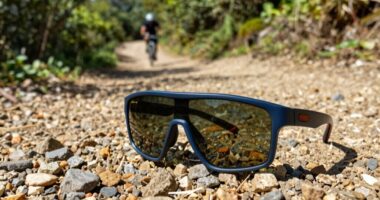
When choosing sunglasses for changing conditions, opt for lenses that offer full UV protection, like UV400, to shield your eyes from harmful rays in any environment. Polarized lenses help reduce glare from water, snow, or glass, improving clarity and comfort. For variable lighting, consider photochromic lenses that automatically adjust tint, providing protection and clarity throughout the day. To learn how to select the best lenses for your needs, keep exploring the options available.

Get workout gear delivered free with Prime
- Fast, free delivery on millions of items
- Prime Video, Amazon Music and more included
- Member-only deals all year
Key Takeaways
- Choose polarized lenses to reduce glare from reflective surfaces like water and snow, enhancing clarity and safety.
- Opt for UV400 or 100% UV protection lenses to shield eyes from harmful UVA and UVB rays in all environments.
- Use photochromic lenses that automatically adjust tint based on UV exposure, ideal for changing light conditions.
- Consider anti-reflective coatings or mirror finishes to further minimize glare in bright or reflective environments.
- Prioritize high-quality sunglasses that balance UV protection, polarization, and adaptability for consistent eye safety.
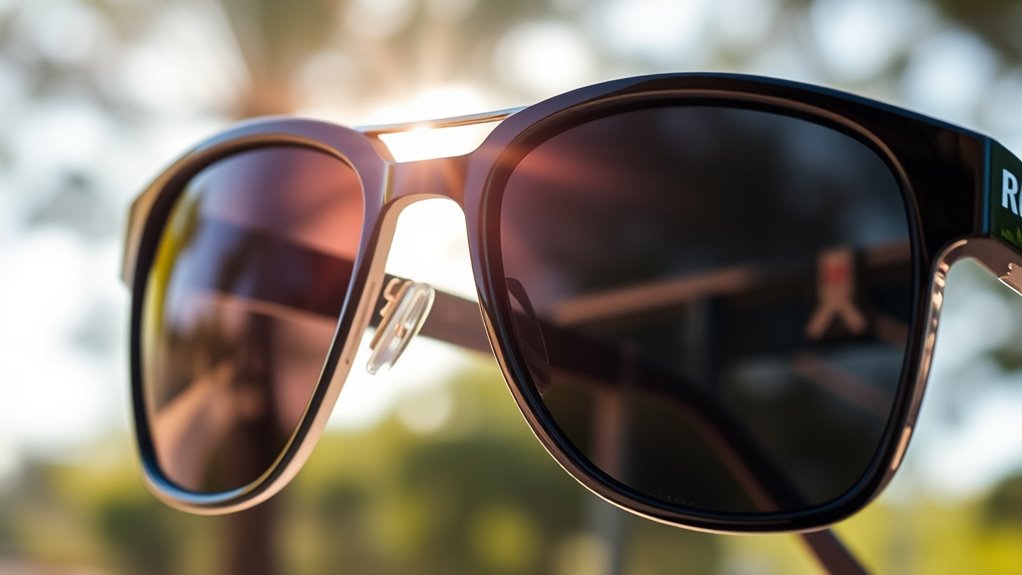
Choosing the right sunglasses lens can substantially enhance your vision and protect your eyes from harmful UV rays. With so many options available, it’s essential to understand how different lenses work, especially when it comes to UV protection and polarized benefits. UV protection is fundamental because it shields your eyes from ultraviolet rays that can cause long-term damage, including cataracts and retinal issues. When shopping for sunglasses, always check for lenses labeled with 100% UV protection or UV400. These ensure that all UVA and UVB rays are blocked, providing comprehensive safety regardless of the environment or season.
Choosing sunglasses with 100% UV protection or UV400 ensures your eyes are fully shielded from harmful UVA and UVB rays.
Polarized lenses offer another valuable benefit. They’re specifically designed to reduce glare from reflective surfaces like water, snow, or glass. If you spend a lot of time driving, fishing, or participating in outdoor activities, polarized sunglasses can significantly improve your visual clarity and comfort. By filtering out horizontal light waves that cause glare, polarized lenses help you see more clearly and reduce eye strain. This not only enhances your safety but also makes it easier to enjoy outdoor activities without squinting or discomfort.
When considering lenses for changing conditions, think about your daily routine and environment. For bright, sunny days, polarized lenses with high UV protection are ideal because they cut glare and block harmful rays. If you’re in a setting with mixed lighting, such as partly cloudy days or shifting outdoor conditions, photochromic lenses could be a smart choice. These lenses automatically adjust their tint based on the amount of UV exposure, darkening in bright sunlight and clearing indoors or in lower light. This adaptability means you don’t have to switch glasses constantly, maintaining clarity and eye safety throughout the day.
In environments where UV exposure varies, like near water or snow, polarized and UV protection features become even more crucial. Water surfaces reflect a significant amount of UV rays and glare, which can be harmful and distracting. Selecting lenses with both polarized benefits and UV protection offers comprehensive shielding, ensuring you see clearly without risking damage to your eyes. Additionally, some lenses incorporate anti-reflective coatings or mirror finishes to further reduce glare and improve visibility.
Ultimately, choosing the right sunglasses lens involves balancing your needs for UV protection, glare reduction, and adaptability. Whether you’re driving, hitting the beach, or simply walking around town, the right lenses can make a noticeable difference in your comfort and eye health. Remember, investing in quality sunglasses that prioritize UV protection and polarized benefits is investing in your long-term vision health. It’s a small step that offers substantial rewards—better sight, less eye fatigue, and peace of mind knowing your eyes are fully protected from the sun’s harmful rays. Regularly evaluating lens features and understanding lens technology can help you make informed choices for your eye safety.
As an affiliate, we earn on qualifying purchases.
Frequently Asked Questions
Can I Wear Transition Lenses Everyday?
Yes, you can wear transition lenses every day. They’re designed to be durable, so they hold up well with daily use. Plus, they offer style options that suit any look, whether casual or professional. You’ll appreciate their convenience, as they automatically adapt to changing light conditions, reducing glare and eye strain. Just make certain you choose a quality pair for maximum lens durability and style, and enjoy the comfort they bring throughout your day.
How Do Polarized Lenses Affect Vision in Rain?
When you wear polarized lenses in the rain, they markedly reduce rain reflection and polarized glare, improving your visibility. These lenses cut down on the intense reflections from wet surfaces, making it easier to see clearly and avoid hazards. However, you might find it harder to see certain digital screens or LCD displays, as polarized lenses can sometimes interfere with their visibility. Overall, they enhance your safety and comfort during rainy conditions.
Are Photochromic Lenses Suitable for Driving?
Yes, photochromic lenses are suitable for driving. Did you know they activate in just 30 seconds? These lenses automatically adjust to changing light, providing UV protection and glare reduction, which helps you see clearly in different conditions. They’re perfect for driving because they adapt quickly, reducing eye strain and improving safety. So, you can enjoy a smoother drive without constantly switching your glasses.
Do Lens Coatings Impact Durability and Clarity?
Lens coatings greatly impact durability and clarity. They enhance lens scratch resistance, protecting against everyday scratches that can impair your vision. High-quality coatings also improve coating longevity, ensuring your sunglasses stay clear and effective longer. You’ll notice clearer vision and better protection when your lenses have well-applied coatings. Regular care and choosing sunglasses with durable coatings help maintain ideal clarity and extend the lifespan of your lenses.
How Often Should I Replace My Sunglasses Lenses?
You should replace your sunglasses lenses when they become scratched, warped, or no longer provide clear vision. Depending on your lens material and prescription options, this might be every couple of years or sooner if you notice damage. Regularly check your lenses for scratches or coating issues, especially if you wear prescription sunglasses. Upgrading guarantees maximum clarity, protection, and comfort, so don’t hesitate to replace them when they no longer meet your needs.
Conclusion
Now that you know how to choose the right sunglasses lenses for changing conditions, you’re better equipped to protect your eyes and enhance your vision. Did you know that polarized lenses can reduce glare by up to 99%, making your outdoor activities safer and more comfortable? With the right lenses, you can enjoy clear sight in any weather or environment. So, pick wisely and see the world more vividly every day!
Fall Picks
fall essentials
As an affiliate, we earn on qualifying purchases.