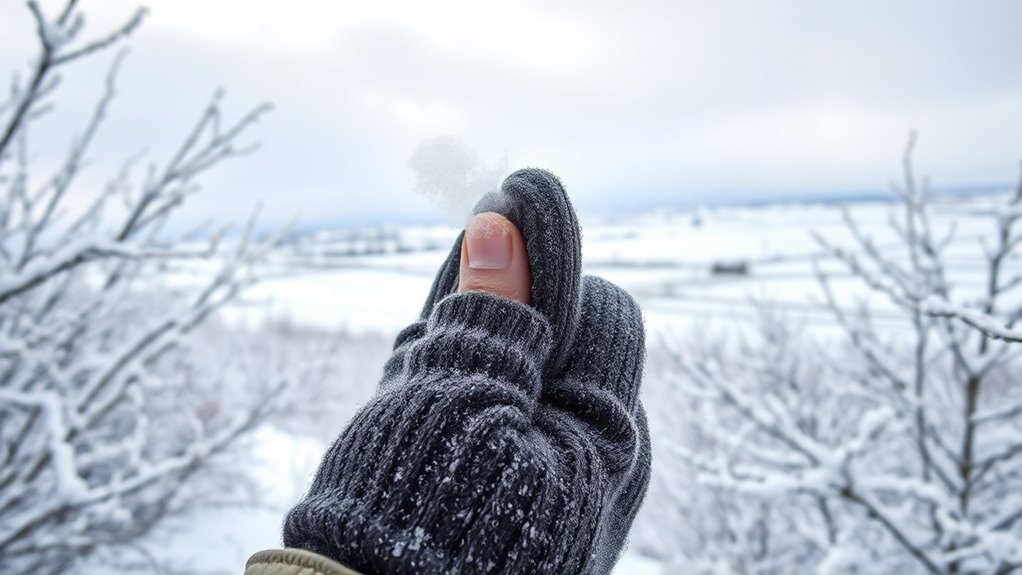

In cold weather, hypothermia and frostbite pose serious risks. Hypothermia occurs when your body loses heat faster than it can produce it, causing symptoms like shivering, confusion, and fatigue. Frostbite damages skin and tissue, usually on extremities like fingers and toes, due to prolonged exposure to freezing temperatures. Recognizing early signs and dressing properly with layered, moisture-wicking, and windproof clothing helps prevent these dangers. Staying safe requires understanding these risks and how to respond effectively — learn more to protect yourself better.

Get workout gear delivered free — and shop member deals
- Fast, free delivery on millions of items
- Access to Prime Big Deal Days deals on October 6–7
- Prime Video, Amazon Music and more included
Key Takeaways
- Hypothermia occurs when core body temperature drops below 95°F, caused by prolonged exposure to cold and wind.
- Frostbite damages skin and tissue due to freezing temperatures, often affecting fingers, toes, nose, and ears.
- Proper layering and moisture-wicking clothing are essential to prevent heat loss and maintain body warmth.
- Recognizing early hypothermia signs, like shivering and confusion, enables prompt treatment and prevents worsening.
- Staying dry, insulated, and vigilant about weather conditions reduces the risk of cold-related injuries.
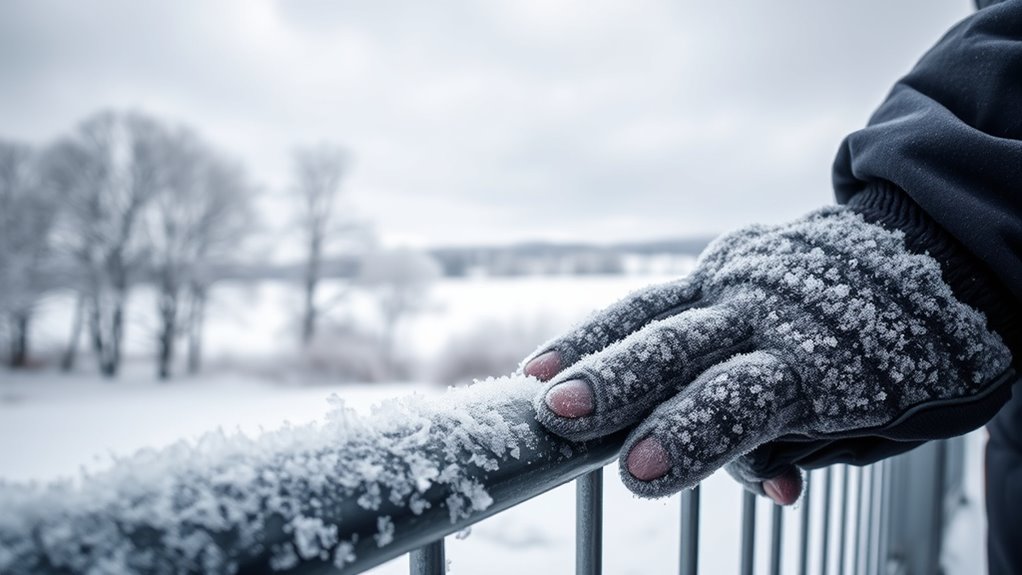
When the temperatures drop, cold weather can pose serious risks to your health and safety. One of the most effective ways to stay protected is by mastering layering techniques, which are essential for hypothermia prevention. Proper layering traps body heat and blocks wind and moisture, helping you stay warm even in frigid conditions. Start with a moisture-wicking base layer that draws sweat away from your skin; this keeps you dry and prevents chills. Over that, add an insulating layer—fleece or down—that retains heat. Finally, a waterproof, windproof outer shell shields you from the elements, preventing wind chill and water from penetrating your clothing. When you understand and apply these layering techniques, you considerably reduce your risk of hypothermia by maintaining a stable core temperature no matter how cold it gets outside.
You should pay close attention to how you dress, especially if you’re going to be outdoors for extended periods. Layering isn’t just about stacking clothes; it’s about selecting materials that work together to keep you warm and dry. Avoid cotton, which absorbs moisture and loses insulating properties when wet. Instead, opt for synthetic or wool fabrics that wick moisture and retain warmth even if damp. Proper layering also allows you to adjust your clothing as you warm up or cool down, giving you better control over your body temperature. If you start to feel cold, add a layer or tighten your clothing; if you become too warm, remove a layer to avoid sweating, which can lead to chilling once you stop moving.
Hypothermia prevention hinges on keeping your core temperature stable. Recognizing the early signs—shivering, fatigue, confusion—is essential so you can take immediate action. Wearing the right layers, staying dry, and avoiding prolonged exposure to wind and cold are key strategies. For outdoor activities, bring extra clothing and always plan to seek shelter if conditions worsen. Remember, wind can quickly strip away heat, even if you’re dressed warmly, so a windproof layer is indispensable. Staying vigilant about your clothing choices and adjusting your layers as needed can make all the difference in preventing hypothermia and frostbite. Additionally, using appropriate clothing materials that wick moisture and insulate effectively is crucial for maintaining warmth and safety in cold weather. You’re responsible for your safety, and understanding how to layer effectively is your best defense against cold-weather hazards.
moisture-wicking base layer shirts
As an affiliate, we earn on qualifying purchases.
As an affiliate, we earn on qualifying purchases.
Frequently Asked Questions
How Can I Prevent Hypothermia During Outdoor Activities?
To prevent hypothermia during outdoor activities, you should use effective layering strategies, such as wearing moisture-wicking base layers, insulating mid-layers, and waterproof outer shells. Choose outdoor gear designed for cold weather, like insulated gloves, warm hats, and thermal socks. Keep your body dry and stay active to generate heat. Regularly check for signs of cold stress, and seek shelter if you start feeling numb or overly tired.
What Are the Early Signs of Frostbite?
You should watch for early warning signs of frostbite, like numbness, tingling, or a pale, waxy appearance on your skin, especially on fingers, toes, nose, or ears. Frostbite symptoms also include skin that feels hard or looks blistered. If you notice these signs, get to a warm place immediately, avoid rubbing the area, and seek medical help promptly. Recognizing early warning signs can help prevent serious damage.
How Long Does It Take for Frostbite to Develop?
Frostbite can develop within minutes of freezing exposure, especially if you’re in very cold temperatures or wind chill. The ice crystals form in your skin and underlying tissues, causing tissue damage. If you stay in the cold without protection, frostbite can happen quickly, sometimes in as little as 30 minutes. It’s essential to keep your skin covered and warm to prevent tissue damage from prolonged freezing exposure.
Are Certain Populations More Vulnerable to Cold-Weather Injuries?
You’re more vulnerable to cold-weather injuries if you’re elderly or an outdoor worker. Elderly populations often have thinner skin and reduced circulation, making frostbite and hypothermia easier to develop, even in milder cold. Outdoor workers face constant exposure, with wind and dampness stealing heat from their bodies. Imagine icy winds biting through clothing—these groups need extra precautions to stay warm and safe during cold seasons.
What Should I Do if Someone Shows Symptoms of Hypothermia?
If someone shows symptoms of hypothermia, you should act quickly with a first aid response. Move them to a warmer place, remove any wet clothing, and cover them with blankets or dry clothing. Offer warm, non-alcoholic beverages if they’re conscious. Call emergency contact immediately, and stay with them until professional help arrives. Your prompt action can prevent serious complications or death.
Conclusion
Remember, when it’s cold outside, it’s better to be safe than sorry. Keep an eye on signs of hypothermia and frostbite, dress warmly, and limit your exposure to the elements. Don’t let the weather catch you off guard—stay prepared and vigilant. After all, it’s better to prevent a problem than to deal with the consequences later. Stay warm, stay aware, and don’t let the cold catch you off guard.
Fall Picks
fall essentials
As an affiliate, we earn on qualifying purchases.