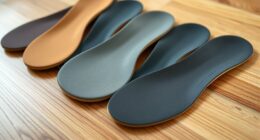
To prevent and care for blisters, make sure your shoes fit well, with enough room in the toe box and a snug heel to prevent slipping. Keep your feet dry by using moisture-wicking socks and applying blister prevention balms or petroleum jelly to reduce friction. Address hot spots early with pads or cushioned insoles to avoid blister formation. For more tips on protecting your skin during activities, keep exploring how you can stay comfortable and blister-free.

Get workout gear delivered free with Prime
- Fast, free delivery on millions of items
- Prime Video, Amazon Music and more included
- Member-only deals all year
Key Takeaways
- Ensure shoes fit properly with enough toe box space and a snug heel to reduce friction and movement.
- Keep feet dry by using moisture-wicking socks and changing damp socks during activity.
- Protect hot spots and early signs of tenderness with blister pads, moleskin, or cushioned insoles.
- Apply petroleum jelly or blister prevention balm to create a barrier against friction.
- Address hot spots immediately to prevent blister formation and maintain skin integrity.
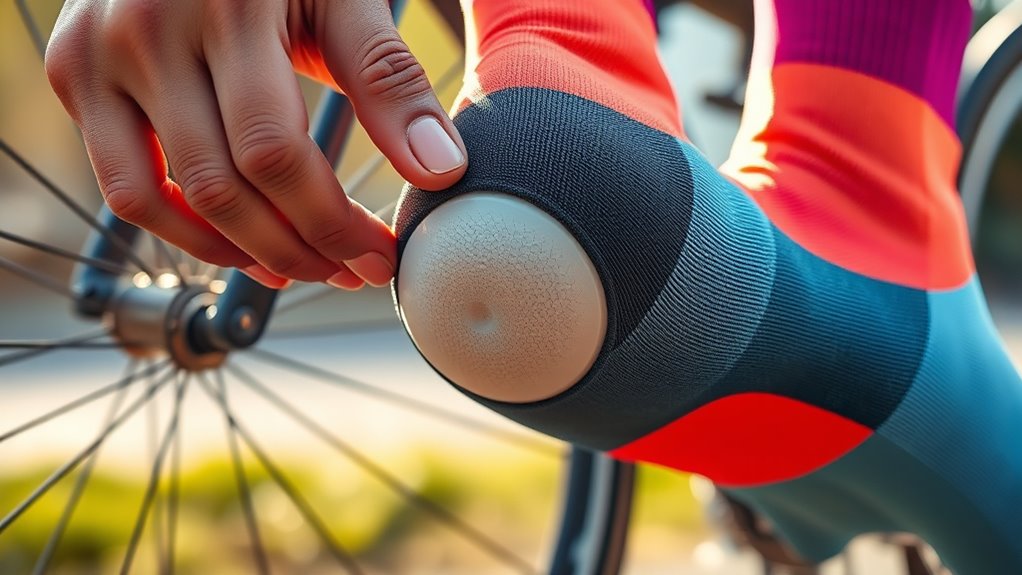
Blisters can develop quickly and cause significant discomfort, but many can be prevented with simple strategies. One of the most effective ways to do this is by paying close attention to shoe fitting. Ill-fitting shoes are a primary cause of blisters, especially during physical activities or long walks. When buying shoes, make sure they fit well from the start. Your shoes should have enough room in the toe box so your toes aren’t cramped, but not so loose that your foot slides around inside. The heel should fit snugly to prevent slipping, which can create friction and lead to blisters. It’s best to try on shoes at the end of the day when your feet are slightly swollen to guarantee a comfortable fit. Also, consider the shape of the shoe and how it aligns with your foot’s natural contours. Proper fitting shoes reduce unnecessary movement and friction, which are the main culprits behind blister formation.
In addition to choosing the right shoes, skin protection plays an essential role in blister prevention. Before heading out, take steps to shield your skin from friction and moisture. Applying a thin layer of petroleum jelly or a specialized blister prevention balm on areas prone to rubbing—such as the heels, toes, or the sides of your feet—can create a protective barrier. Moisture exacerbates friction, so keeping your feet dry is fundamental. Use moisture-wicking socks made from synthetic fibers rather than cotton, which tends to retain sweat and increase friction. Change your socks if they become damp during your activity, and consider using foot powders or antiperspirants to reduce sweating.
Another key aspect of skin protection involves managing hot spots—those initial areas of redness or tenderness that signal impending blisters. If you notice a hot spot forming, stop activity and address it immediately. You can apply blister pads or moleskin to cushion the area and prevent blister development. Wearing well-cushioned insoles or gel pads can also distribute pressure more evenly across your feet, reducing the risk of friction in specific spots. Remember, your skin’s integrity is your first line of defense; keeping it dry, protected, and well-fitted in your footwear drastically lowers your chances of developing painful blisters. Additionally, being aware of yarn weight and stitch type can help prevent discomfort when creating knitted items, as proper tension and material choice reduce friction and irritation, similar to well-fitting shoes for feet. By combining proper shoe fitting with effective skin protection, you’ll stay comfortable and avoid the inconvenience and discomfort of blisters, no matter how active your day might be.
As an affiliate, we earn on qualifying purchases.
Frequently Asked Questions
Can Blisters Be Prevented With Specific Footwear Choices?
Yes, you can prevent blisters by choosing the right footwear. Make sure your shoes fit properly—neither too tight nor too loose—and opt for well-cushioned, breathable shoes suitable for your activity. Proper sock selection also plays a vital role; choose moisture-wicking socks that reduce friction and keep your feet dry. Together, these choices minimize friction and pressure, helping you avoid blisters during your activities.
Are There Natural Remedies to Speed up Blister Healing?
Think of your blister as a tiny garden needing care. You can speed up healing with natural remedies like herbal ointments and home remedies. Applying aloe vera or honey creates a protective barrier, much like a gardener tending to delicate plants. These natural treatments soothe inflammation and encourage tissue repair, helping your blister heal faster. Remember, gentle care and patience are essential to restoring your skin’s health naturally.
How Do I Identify a Blister Infection?
If you notice redness, increased warmth, swelling, pus, or a foul odor around your blister, it’s likely infected. Blister infection signs include worsening pain and red streaks extending from the blister. Pay attention to blister infection symptoms like fever or chills. You should see a healthcare professional if these signs appear, as you might need antibiotics or other treatment to prevent the infection from spreading.
When Should I See a Doctor for a Blister?
Think of a blister as a fragile fortress guarding your skin’s secrets. You should see a doctor if the blister’s size grows rapidly, becomes extremely painful, or if blister pain persists despite rest. Also, seek help if signs of infection appear—such as redness, warmth, pus, or if the blister’s fluid becomes cloudy. Prompt care guarantees your skin heals quickly and prevents complications, so don’t wait when your body signals distress.
Can Blisters Recur in the Same Spot?
Yes, blisters can recur in the same spot if the underlying cause persists. When you experience blister formation, the skin remains vulnerable, and repeated friction or pressure can cause them to come back during blister healing. To prevent recurrence, you should address the cause, like reducing friction or pressure. Keep the area protected and avoid irritating it further, which helps support proper blister healing and minimizes future blister formation.
Conclusion
By taking proactive steps, you prevent blisters before they start. By choosing proper gear, by paying attention to your body’s signals, by caring for your skin, you protect yourself from pain and discomfort. Blister prevention isn’t just about avoiding trouble; it’s about empowering yourself to enjoy every step. Stay vigilant, stay prepared, and stay confident. Because when you care for your skin, you embrace every adventure with comfort, confidence, and joy.
Fall Picks
fall essentials
As an affiliate, we earn on qualifying purchases.