
To prevent IT Band Syndrome, focus on gradual training progress and avoid overtraining, giving your knees time to recover. Strengthen your hips, glutes, and core muscles to reduce strain, and incorporate regular stretching and foam rolling to keep tissue flexible. Make sure your footwear is supportive and replaced as needed, and vary your activities to prevent repetitive stress. Keep an eye on early signs of pain to catch issues early—continue to explore for more helpful tips.
Key Takeaways
- Gradually increase training intensity and mileage to prevent overuse and knee strain.
- Strengthen hips, glutes, and core muscles to stabilize the pelvis and reduce IT band friction.
- Incorporate regular stretching and foam rolling to maintain flexibility and tissue mobility.
- Wear proper, supportive footwear and consider gait analysis to ensure balanced biomechanics.
- Include rest days and cross-training to avoid repetitive stress and promote overall knee health.

IT Band Syndrome is a common overuse injury that causes pain on the outer side of your knee, often affecting runners, cyclists, and other athletes. If you’ve experienced knee pain after a run or a long ride, you might be dealing with this condition. Recognizing early signs can help you prevent further damage and get back to your activity faster. Because ITBS is a typical running injury, understanding how to prevent it is essential if you want to stay injury-free and maintain your performance.
One of the best ways to prevent IT band issues is to pay attention to your training habits. Overtraining or increasing mileage too quickly can put extra strain on your knee and surrounding tissues. Always follow a gradual progression plan, allowing your body to adapt to increased activity levels. Incorporate rest days into your schedule, giving your knees time to recover from repetitive stress. Consistent, moderate training reduces the risk of developing knee pain caused by overuse injuries like ITBS.
Another key element in preventing IT band syndrome is strengthening your hips, glutes, and core muscles. Weakness in these areas can cause your knees to compensate during movement, increasing strain on the IT band. Focus on exercises that target these muscle groups, such as side leg lifts, bridges, and planks. Stronger hip muscles help stabilize your pelvis and knees, reducing the chances of irritation or inflammation in the IT band.
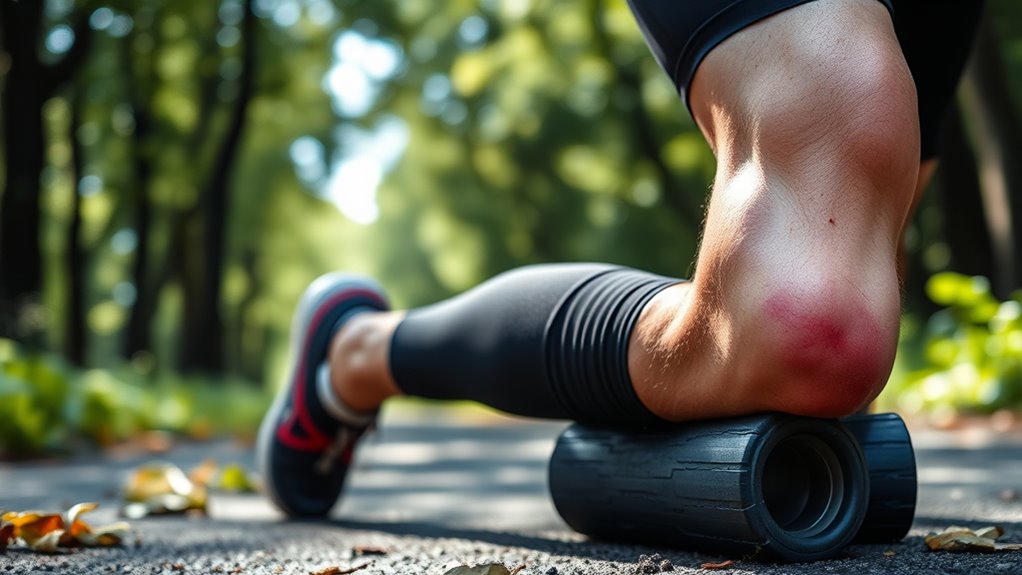
Flexibility also plays a vital role in prevention. Tightness in your hip abductors, quadriceps, or hamstrings can contribute to IT band friction and knee pain. Incorporate regular stretching routines into your training to maintain good flexibility. Foam rolling your lateral thigh and IT band can also help release tightness and improve tissue mobility, decreasing the likelihood of running injuries related to the IT band.
Proper footwear is another important factor. Worn-out shoes or those that don’t suit your foot type can alter your gait and increase stress on your knees. Invest in quality running shoes and replace them regularly. Additionally, consider getting a gait analysis from a professional to identify any biomechanical issues that might predispose you to IT band problems.
In addition, paying attention to muscle balance and ensuring that your training includes a variety of activities can help prevent overuse injuries like ITBS.

Brooks Men’s Adrenaline GTS 24 Supportive Running Shoe – Black/Black/Ebony – 12 Medium
THIS MEN’S SHOE IS FOR: The Adrenaline GTS 24 provides support to every stride, now with nitrogen-infused DNA…
As an affiliate, we earn on qualifying purchases.
As an affiliate, we earn on qualifying purchases.
Frequently Asked Questions
Can IT Band Syndrome Affect Non-Athletes?
Yes, IT Band Syndrome can affect non-athletes. Even if you’re not heavily active, your daily activities like walking, climbing stairs, or standing for long periods can put strain on your IT band. Non-athlete risk factors include poor posture, muscle imbalances, or repetitive movements. Staying mindful of your activity levels, stretching regularly, and strengthening the surrounding muscles can help prevent IT Band issues, regardless of your athletic involvement.
How Long Does Recovery From IT Band Syndrome Typically Take?
Recovery from IT Band Syndrome usually takes several weeks to a few months, depending on the severity and your adherence to treatment. During the healing process, you’ll likely experience a gradual reduction in pain and improved mobility as you follow a proper recovery timeline. Consistent rest, stretching, strengthening exercises, and avoiding aggravating activities help speed up healing. Stay patient and committed, and you’ll see progress in your recovery journey.
Are There Specific Shoes That Help Prevent IT Band Issues?
Yes, choosing the right shoes can help prevent IT band issues. Look for running shoes with a proper fit that supports your arch and absorbs shock. You might also consider orthopedic insoles to improve alignment and reduce strain on your IT band. Ensuring your shoes aren’t too tight or loose and replacing worn-out footwear regularly can make a big difference in prevention. Always prioritize comfort and support during your runs.
Can Stretching Alone Fully Prevent IT Band Syndrome?
Stretching alone can’t fully prevent IT band syndrome, but it plays a crucial role in your prevention strategies. Studies show that combining stretching with strength training reduces injury risk by 30%. While stretching improves flexibility and reduces tightness, it’s most effective when paired with foam rolling, proper footwear, and gradual training increases. Relying solely on stretching won’t address underlying issues, so adopting a thorough approach is key to prevention.
Is Surgery Ever Necessary for IT Band Syndrome?
Surgery is rarely necessary for IT Band Syndrome, but in severe cases, surgical options like a lateral release or lengthening may be considered. You should know that recovery times vary, typically taking several weeks to months depending on the procedure and your healing process. Before opting for surgery, most doctors recommend conservative treatments like physical therapy, stretching, and activity modifications to manage symptoms effectively.
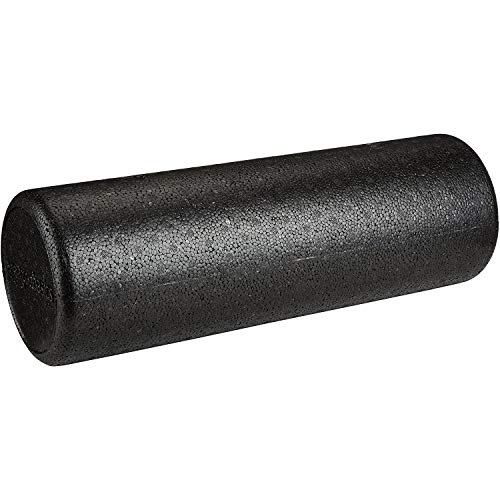
Amazon Basics High-Density Foam Roller for Exercise and Recovery, 18 Inches, Black
High-density foam roller in Black
As an affiliate, we earn on qualifying purchases.
As an affiliate, we earn on qualifying purchases.
Conclusion
Think of your IT band as the highway connecting your hip and knee. If you ignore small cracks and bumps, a major pothole—like IT Band Syndrome—can form. Just like regular car maintenance keeps your vehicle smooth, stretching and strengthening keep your band healthy. Remember, even a tiny pebble can cause a flat tire if you don’t address it early. Stay proactive, listen to your body, and keep your “highway” running smoothly for miles to come.

BootySprout Hip Thrust Machine for High Resistance Glute Training – Home Gym Workout – Comes with 45, 90, and 135 Lbs of Resistance – Black
HIP THRUSTER WORKOUT: The glutes are one of the largest muscle groups in your body and require heavy…
As an affiliate, we earn on qualifying purchases.
As an affiliate, we earn on qualifying purchases.

PT Student Kit with standard items. 60" gait belt
As an affiliate, we earn on qualifying purchases.
As an affiliate, we earn on qualifying purchases.