
On easy days, prioritize your calf recovery with effective techniques. Start with light self-massage using a foam roller, focusing on tender spots. Follow up with standing and seated calf stretches to enhance flexibility. Incorporate short walks or gentle bike rides to maintain blood flow without straining your muscles. This recovery sequence not only boosts healing but also prevents future injuries. Keep going to discover more ways to optimize your calf recovery and enhance your performance!
Key Takeaways
- Incorporate foam rolling on calves to alleviate tightness and improve blood flow after easy days.
- Perform standing and seated calf stretches for at least 30 seconds each to enhance flexibility.
- Engage in light activities, like walking or gentle cycling, to promote circulation without straining the calves.
- Utilize self-massage techniques with thumbs or fingers to target sore areas and release tension.
- Establish a consistent recovery routine to support long-term muscle health and prevent injuries.

When you’ve pushed your calves to the limit, recovering effectively is crucial for regaining strength and preventing injury. You might feel tightness or soreness, but incorporating a solid recovery sequence can make a significant difference. Start by integrating self massage techniques into your routine. Using a foam roller or a massage ball, you can target those sore areas. Begin by sitting on the floor and placing the foam roller under your calves. Roll slowly from your ankles to your knees, pausing at any tender spots. This helps release tension and improves blood flow, accelerating recovery.
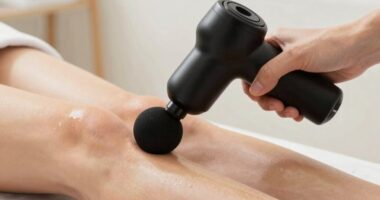
Next, try using your hands for a deeper release. Sit in a comfortable position, then firmly press your thumbs or fingers into the muscle. Focus on areas that feel particularly tight. Apply consistent pressure for about 30 seconds, then gently move to another area. This combination of foam rolling and manual massage will help break down knots and promote relaxation. Effective recovery techniques like these are essential for maintaining long-term muscle health.
Incorporate manual massage for deeper relief, applying consistent pressure to tight areas for optimal relaxation and recovery.
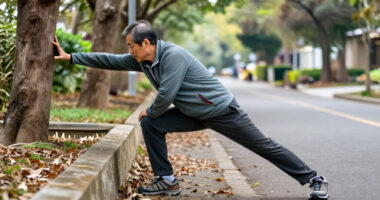
After you’ve worked on self massage, it’s time to move into stretching routines. Start with a standing calf stretch. Place your hands against a wall, step one foot back, and keep your heel on the ground. Bend your front knee while keeping your back leg straight. Hold this position for at least 30 seconds to feel a gentle stretch through your calf. Switch sides and repeat. This stretch not only aids recovery but also enhances flexibility, which is essential for preventing future injuries.
You can also incorporate a seated calf stretch. Sit on the floor with your legs extended. Loop a resistance band or towel around the ball of one foot. Gently pull the band towards you while keeping your knee straight, feeling the stretch in your calf. Hold for 20-30 seconds before switching legs. This stretch is excellent for targeting the soleus muscle, which often gets neglected.
Finally, finish your calf recovery sequence with some light activity. A short walk or gentle bike ride can help keep the blood flowing without adding stress to your calves. Recognizing the importance of proper muscle recovery can lead to better overall performance and fewer setbacks. Additionally, ensuring your recovery routines are consistent can help reduce the risk of future injuries and promote sustained progress.
As an affiliate, we earn on qualifying purchases.
Frequently Asked Questions
How Often Should I Perform the Calf Recovery Sequence?
You should perform the calf recovery sequence at least two to three times a week for ideal calf muscle recovery. This frequency helps maintain flexibility and strength while preventing tightness. You can adjust the recovery frequency based on your activity level; if you’ve had a particularly intense workout or feel soreness, consider adding an extra session. Staying consistent is key to ensuring your calves recover effectively and support your overall performance.
Can I Do This Sequence Without Prior Experience?
Absolutely, you can do this sequence without prior experience! Understanding calf anatomy helps you appreciate how each movement aids in recovery benefits. Start slowly, focusing on your form to avoid strain. As you progress, you’ll enhance flexibility and reduce soreness. Listen to your body; if something feels off, adjust accordingly. With consistent practice, you’ll notice improved strength and recovery, making it easier to incorporate into your routine. Enjoy the process!
What Equipment Do I Need for the Calf Recovery Sequence?
To tackle calf exercises effectively, you’ll need a few key recovery tools. Imagine you’ve just finished a tough run; using a foam roller can help soothe those tight muscles. You’ll also want resistance bands for added strength training and a massage ball for pinpoint relief. Don’t forget a sturdy wall or a step for stretching. With these items, you’ll set yourself up for a solid calf recovery routine that keeps you feeling great.
Are There Any Contraindications for This Recovery Method?
Yes, there are some contraindications for this recovery method. If you’re experiencing severe muscle soreness or have any existing injuries, it’s best to consult a healthcare professional before starting. Not addressing these issues could lead to further injury rather than aiding in recovery. Always listen to your body and prioritize injury prevention. If something feels off, don’t hesitate to modify your approach or seek expert advice for your specific situation.
How Long Will It Take to See Results?
You know how a garden takes time to flourish? Just like nurturing plants, calf recovery techniques need patience. You can expect to see results within two to four weeks of consistent practice. The expected recovery timeline varies based on your initial condition and effort. Stick to your routine, stay mindful of your body, and soon enough, you’ll notice improved strength and flexibility. Your calves will thank you for the care you give!
Conclusion
Incorporating this calf recovery sequence into your easy days can make a significant difference in your overall performance. Studies show that athletes who prioritize recovery see a 20% improvement in muscle function and endurance over time. By dedicating just a few minutes to this routine, you not only enhance your recovery but also set yourself up for success in more intense training sessions. So, take the time to nurture your calves, and your body will thank you!