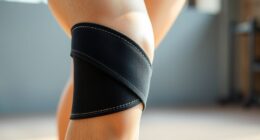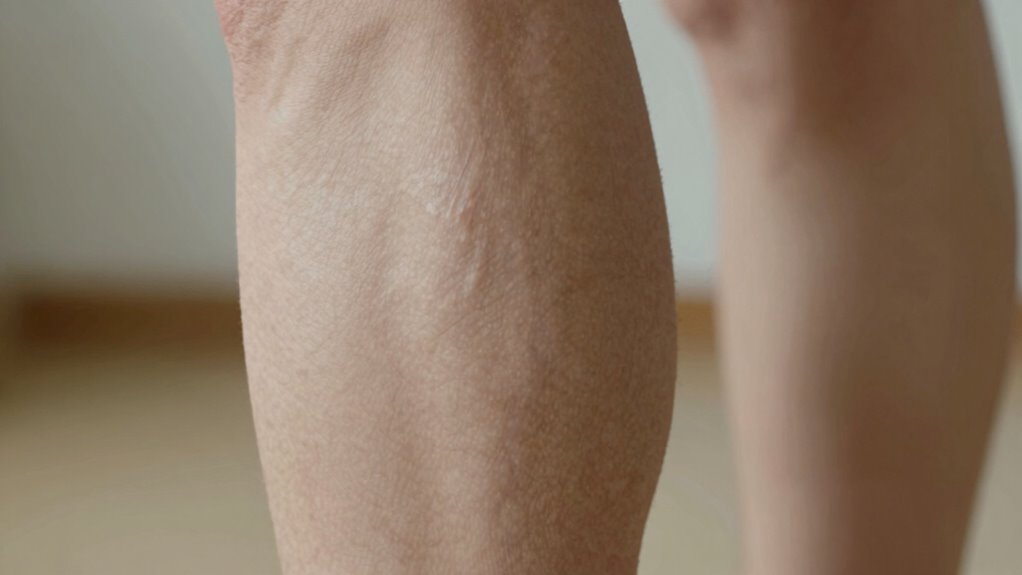

If you notice persistent tightness in your calves, especially after activity or at rest, it could signal decreasing muscle elasticity that’s prone to injuries like strains or tears. You might also feel soreness, cramping, or difficulty stretching comfortably. Ignoring these signs can lead to more serious issues and longer recovery times. Pay attention to these early warning signs, as understanding the pattern can help you take steps to prevent trouble and keep your muscles healthy.

Get workout gear delivered free with Prime
- Fast, free delivery on millions of items
- Prime Video, Amazon Music and more included
- Member-only deals all year
Key Takeaways
- Persistent calf tightness that worsens after activity may indicate underlying muscle strain or imbalance.
- Tightness accompanied by swelling or warmth can signal inflammation or injury risk.
- Recurrent calf tightness without clear cause suggests poor flexibility or circulation issues.
- Tightness that limits movement or causes gait changes often signals developing musculoskeletal problems.
- Sudden or severe calf tightness may be a warning sign of nerve compression or more serious injury.

Have you ever experienced tightness in your calves that seems to come and go without explanation? This pattern can be more than just an occasional annoyance; it might be a sign that something’s off with your muscle health. When your calves tighten unexpectedly, it’s often a warning that your muscle elasticity is decreasing. Muscle elasticity refers to how well your muscles can stretch and rebound, which is essential for smooth movement and injury prevention. If your calves aren’t maintaining proper elasticity, they become more prone to strains and tears, especially during physical activity. Recognizing this pattern early can help you take steps to address underlying issues before they develop into more serious injuries.
Calf tightness signals declining muscle elasticity, increasing injury risk—early recognition helps prevent serious problems.
This calf tightness could be linked to overuse, dehydration, or even poor circulation, but it’s also often a sign that your muscles aren’t recovering or adapting properly. When your calf muscles lack flexibility, they’re less able to absorb shocks from movement, increasing the risk of injury. Over time, this can lead to more persistent tightness or even cramps, which might cause you to alter your gait or movement patterns. These compensations can put additional stress on other parts of your body, creating a cascade effect that may lead to more complex injuries. Maintaining good muscle elasticity through targeted stretching and strengthening exercises is essential to prevent this cycle and keep your calves resilient. Muscle elasticity is a crucial factor in maintaining overall musculoskeletal health and performance. Additionally, incorporating preventative care into your routine can help you identify and address issues early on. Paying attention to early warning signs can enable timely intervention and prevent more serious complications. Recognizing these early symptoms can also motivate you to adopt healthier habits that support your muscle health in the long term.
Injury prevention should be at the forefront of your routine if you notice this pattern. Regular stretching, especially after workouts, helps to keep your calf muscles supple and elastic. Incorporate gentle calf stretches and foam rolling into your warm-up and cool-down routines to enhance flexibility and blood flow. Proper hydration and nutrition also play a role in muscle health, ensuring your tissues stay resilient and less prone to tightening. Adequate hydration is vital for optimal muscle function and recovery. Pay attention to your body’s signals—if you notice persistent calf tightness that doesn’t improve with rest and stretching, it’s wise to seek professional advice. Ignoring these signs can lead to more severe strains or chronic issues that might sideline you for longer periods.
Ultimately, recognizing the calf tightness pattern as a potential early warning sign allows you to take proactive steps. Focus on improving your muscle elasticity through consistent care, and don’t underestimate the importance of injury prevention strategies. Your calves are essential for mobility and athletic performance, so treating their health with priority can save you from more significant problems down the line. Stay attentive to how your body feels, and act early to maintain strength, flexibility, and overall injury resilience. Developing a comprehensive injury prevention routine can further help you maintain calf health and overall musculoskeletal well-being.
As an affiliate, we earn on qualifying purchases.
Frequently Asked Questions
Can Calf Tightness Be Caused by Dehydration?
Yes, calf tightness can be caused by dehydration. Dehydration effects include reduced fluid levels and electrolyte imbalance, which are essential for muscle function. When you’re dehydrated, your muscles may become more prone to cramps and tightness, especially in the calves. Drinking enough water and replenishing electrolytes help prevent these issues, keeping your muscles more flexible and reducing the risk of tightness or cramps during activity.
How Quickly Does Calf Tightness Typically Develop?
Calf tightness can develop within minutes to hours, especially if you’re experiencing muscle fatigue or circulatory issues. Studies show that 60% of athletes notice tightness during or after activity. You might feel it suddenly or gradually, often warning of overuse or compromised blood flow. If tightness persists, it’s a sign to rest and address underlying causes like circulation problems or muscle strain before more serious issues arise.
Are Certain Sports More Prone to Calf Tightness?
Yes, certain sports like running, soccer, and basketball are more prone to calf tightness because of increased running fatigue and sudden bursts of activity. These activities often lead to training imbalance, overloading the calves and causing tightness. If you notice persistent tightness, it’s important to address it early, as ignoring it can lead to injury. Proper stretching, strength training, and rest can help prevent these issues.
Is Calf Tightness Always a Sign of a Serious Problem?
Calf tightness isn’t always a sign of a serious problem—around 60% of athletes experience muscle strain or overuse injuries at some point. While tightness can signal a muscle strain or overuse injury, it doesn’t necessarily mean trouble ahead. Often, it’s a sign to rest, stretch, or adjust your training. However, persistent or severe tightness warrants medical attention to rule out more serious issues.
What Are Early Signs of Potential Calf Injury?
Early signs of a potential calf injury include muscle strain, which causes persistent tightness or soreness, and circulation issues like cramping or numbness. You might notice swelling or a slight discoloration, indicating inflammation. Pay attention to sharp pain during activity or lingering discomfort afterward. If these symptoms occur, it’s best to rest, apply ice, and seek professional advice to prevent a more serious injury.
Conclusion
Pay attention to your calf tightness pattern, because it’s a warning sign, a signal that something’s not quite right. Recognize the signs early, understand what they mean, and take action before trouble takes hold. Address discomfort promptly, prevent injury, and maintain your mobility. By listening to your body, by acting on these signals, you protect your future, preserve your strength, and stay active longer. Don’t ignore the warning—your calves are speaking; are you listening?
Halloween Picks
halloween
As an affiliate, we earn on qualifying purchases.