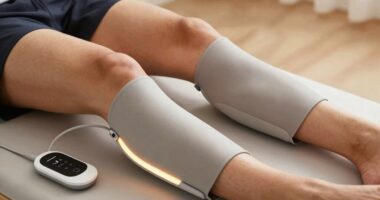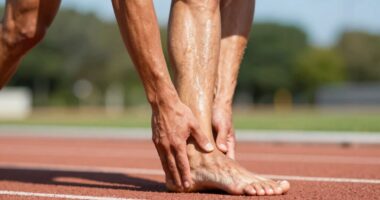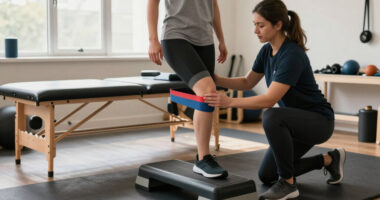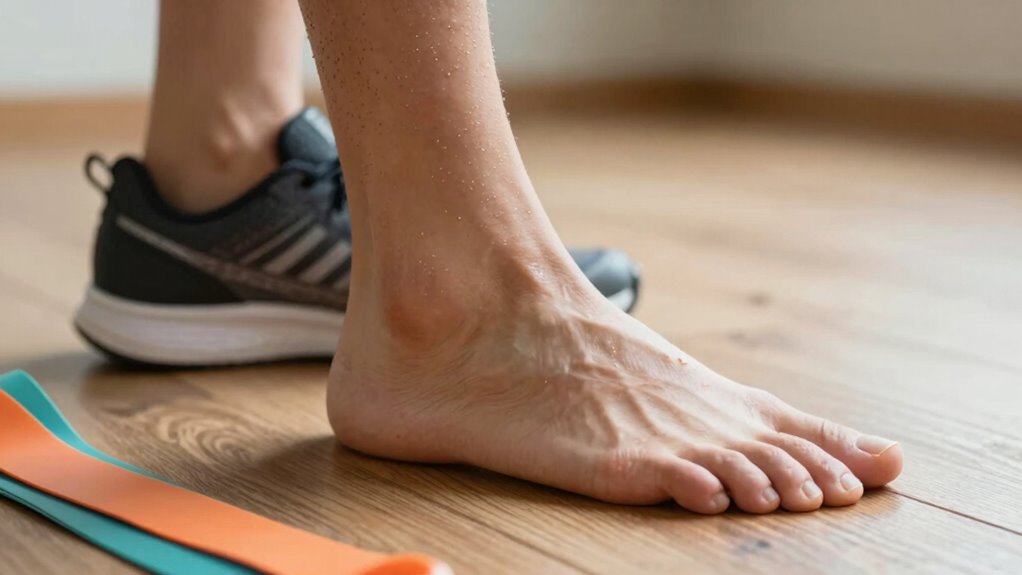
To prevent minor foot pain from disrupting your training, focus on proper foot care and adjustments. Rest and ice help reduce inflammation, while elevating your foot can limit swelling. Make sure your footwear fits well, offers support, and is replaced when worn out. Incorporate foot-strengthening and stretching exercises to boost stability and flexibility. Monitoring your technique and choosing softer surfaces can also lower impact. Staying proactive keeps your momentum steady—there’s more to explore if you want to keep your training on track.

Get workout gear delivered free with Prime
- Fast, free delivery on millions of items
- Prime Video, Amazon Music and more included
- Member-only deals all year
Key Takeaways
- Rest and ice the foot to reduce inflammation and prevent worsening pain.
- Use proper footwear with arch support and replace worn shoes regularly.
- Incorporate foot stretches and strengthening exercises into your routine.
- Avoid training on hard or uneven surfaces that can aggravate pain.
- Seek professional advice if pain persists to address underlying biomechanical issues.
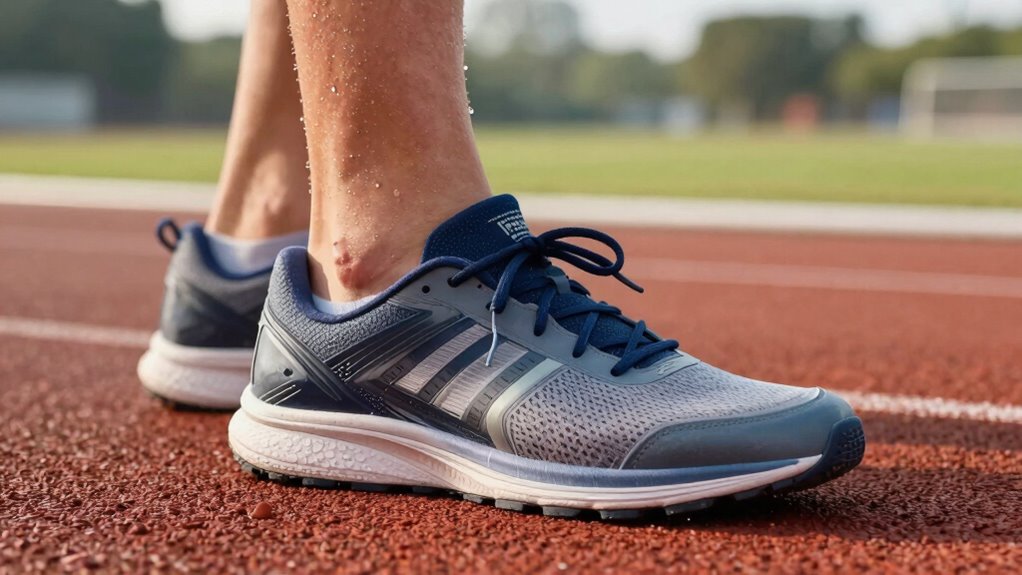
Minor foot pain can be a frustrating obstacle, especially when you’re enthusiastic to maintain your training momentum. It’s tempting to push through, but understanding your foot biomechanics can make a significant difference. Your feet are complex structures, and even slight misalignments or inefficient movement patterns can lead to pain. By paying attention to how your foot absorbs shock, distributes weight, and pushes off, you can identify potential issues that might be causing discomfort. Incorporating simple assessments or consulting a professional can help you understand your foot biomechanics better, allowing you to adjust your form or footwear accordingly.
Understanding your foot biomechanics helps prevent pain and keeps your training on track.
When dealing with minor foot pain, applying effective pain management techniques is vital. Rest might seem counterintuitive, but giving your foot a brief break can prevent the pain from worsening. Ice therapy is a quick and accessible method; applying an ice pack for 15-20 minutes can reduce inflammation and numb the area, helping you recover faster. Elevating your foot also helps decrease swelling, especially after intense activity. Over-the-counter anti-inflammatory medications can provide relief if the pain persists, but always use them as directed and consult a healthcare professional if needed.
Proper footwear plays an essential role in pain management and maintaining your training routine. Shoes that fit well, provide adequate arch support, and absorb shock can prevent many common issues. Consider replacing worn-out shoes regularly, as worn soles and insoles lose their cushioning and support. Orthotic inserts can also be beneficial if you notice particular areas of discomfort or if your foot biomechanics indicate the need for added support. Remember, training on uneven or hard surfaces can worsen foot pain, so choosing softer, more forgiving terrains can help minimize impact.
Incorporating stretching and strengthening exercises into your routine can also help prevent future foot pain. Stretching your calves, Achilles tendons, and plantar fascia enhances flexibility and reduces strain on your foot structures. Strengthening exercises for the foot muscles improve stability and support, making your feet more resilient during activity. Be cautious to listen to your body; if a particular movement causes pain, stop and reassess your technique or seek professional guidance. Understanding foot biomechanics and how your muscles work together can also help you prevent recurring issues and improve overall foot health. Additionally, paying attention to muscle balance in your lower limbs can contribute significantly to preventing improper load distribution that leads to pain. Regularly evaluating your training techniques and making adjustments can also help maintain proper foot function and reduce the risk of injury. Incorporating proper training techniques can further optimize your foot health and reduce injury risk.
Ultimately, staying proactive with foot biomechanics awareness and pain management techniques can keep minor foot pain from derailing your training. Taking small steps to adjust your footwear, apply ice, and strengthen your feet ensures you stay on track. Remember, consistent care and attention to your foot health enable you to maintain your training momentum without unnecessary setbacks.
orthotic insoles for foot support
As an affiliate, we earn on qualifying purchases.
As an affiliate, we earn on qualifying purchases.
Frequently Asked Questions
How Long Should I Rest if I Experience Foot Pain?
You should rest for at least a few days if you experience foot pain, especially if it’s caused by overuse or injury. Foot pain causes can vary, so listen to your body and avoid putting weight on your foot. Rest duration depends on the severity; mild pain may clear in 2-3 days, but if it persists, extend your rest and consider consulting a healthcare professional. Prioritize recovery to prevent worsening the injury.
Are There Specific Shoes That Prevent Foot Pain During Training?
Yes, choosing shoes with proper fit and adequate arch support can markedly prevent foot pain during training. Make sure your shoes are neither too tight nor too loose, allowing your feet to move naturally. Look for footwear that offers good arch support tailored to your foot type. Investing in quality shoes designed for your activity helps reduce strain, minimizes discomfort, and keeps your training momentum going strong.
When Should I See a Doctor for Foot Pain?
Think of your foot pain as a red flag waving fiercely—don’t ignore it. You should see a doctor if pain persists beyond a few days, worsens during activity, or is sharp and unrelenting. Prioritize injury prevention by evaluating your footwear selection and avoiding ill-fitting shoes. If pain interrupts your training or doesn’t improve with rest, seeking medical advice becomes essential to prevent long-term damage and keep your progress on track.
Can Stretching Alone Resolve Minor Foot Pain?
Stretching alone might help ease minor foot pain, but it often isn’t enough for complete relief. Incorporate foot massages to loosen tight muscles and improve circulation, which can alleviate discomfort. Using arch support inserts in your shoes provides extra stability and reduces stress on your feet. Together, these strategies can help manage minor pain, but if symptoms persist, consider consulting a healthcare professional for proper diagnosis and treatment.
What Are Quick Relief Methods for Sudden Foot Discomfort?
For quick relief from sudden foot discomfort, stop activity and rest your foot. Apply ice to reduce swelling and manage pain, and elevate your foot to ease pressure. Check your footwear selection to guarantee proper fit, which helps prevent ongoing issues. Over-the-counter pain relievers can provide temporary relief, but focus on pain management strategies like stretching and supportive footwear to keep discomfort from interfering with your training.
Conclusion
Remember, even Achilles faced setbacks and learned to adapt. By listening to your body and addressing minor foot pain early, you keep your training on the path to victory. Don’t let discomfort become a Greek tragedy—tackle it head-on and stay resilient. Like a hero in your own story, you have the power to protect your momentum, ensuring your journey continues toward greatness, one cautious step at a time.
Halloween Picks
halloween
As an affiliate, we earn on qualifying purchases.