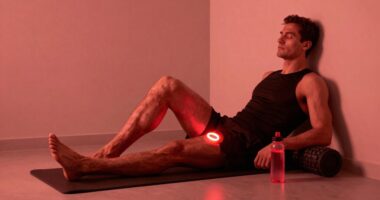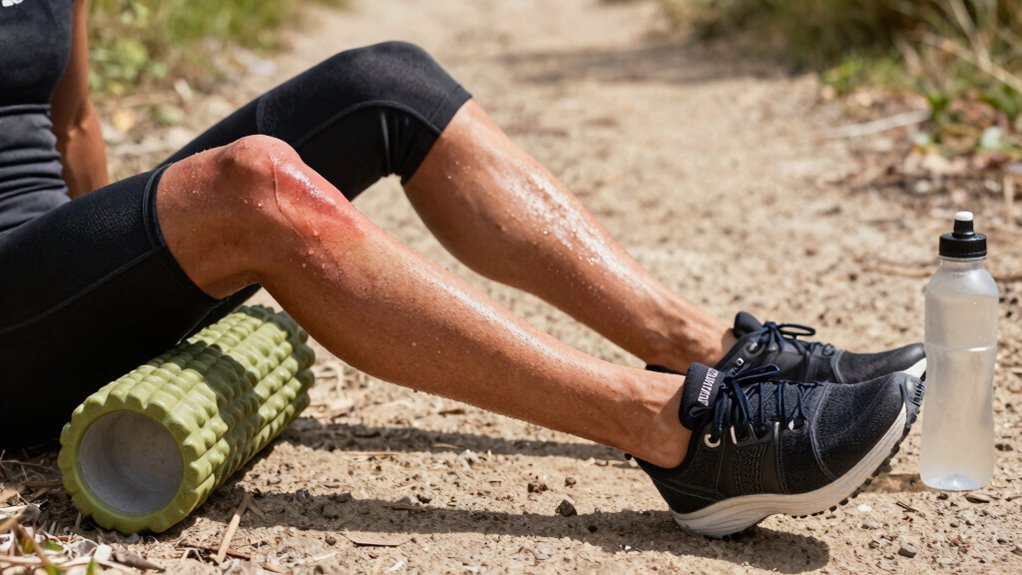
To manage DOMS while still running, focus on gentle movement to boost blood flow and promote recovery. Incorporate dynamic stretches before your run, and finish with static stretches afterward. Hydrate well and eat protein-rich, anti-inflammatory foods to aid muscle repair. Use foam rolling to release knots and apply active recovery like walking or light cycling if soreness feels intense. Balancing rest and movement helps you stay active without risking injury; explore more tips to keep your progress steady.
Key Takeaways
- Opt for low-impact activities like walking or cycling to stay active without worsening soreness.
- Incorporate gentle stretching and foam rolling to improve circulation and reduce muscle tightness.
- Prioritize proper hydration and consume protein-rich, anti-inflammatory foods to support recovery.
- Adjust running intensity or duration based on soreness severity to prevent overtraining.
- Ensure adequate sleep and rest to facilitate muscle repair and minimize DOMS effects.
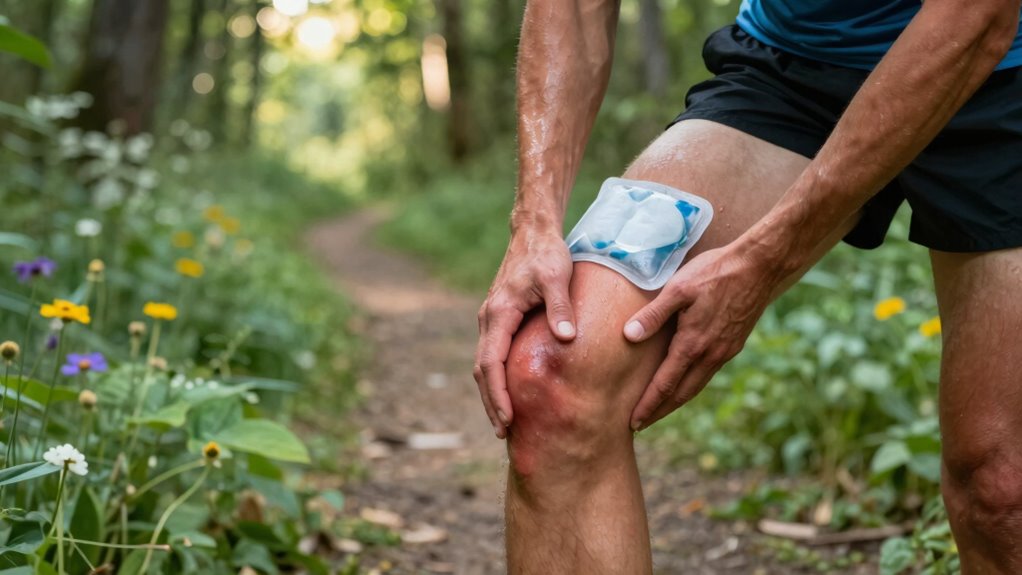
Delayed Onset Muscle Soreness (DOMS) can be a real obstacle when you’re enthusiastic to keep running, but it doesn’t have to stop you in your tracks. When your muscles feel tight, tender, or sore after a run, it’s tempting to rest completely. However, gentle movement and smart recovery strategies can help you manage soreness while staying active. One effective way is focusing on nutrition recovery. You want to nourish your body with foods rich in protein, which helps repair muscle fibers, and include anti-inflammatory options like berries, leafy greens, and omega-3 fatty acids. Hydration also plays an essential role; drinking plenty of water ensures your muscles stay pliable and flush out toxins that may contribute to soreness. Incorporate small, frequent meals that supply your muscles with the nutrients they need to recover, rather than large, infrequent portions that may slow down the repair process. Additionally, understanding muscle recovery techniques can help you optimize your approach to minimizing soreness and speeding up healing. Incorporating proper nutrition strategies can further enhance your recovery process and reduce the duration of soreness.
Alongside nutrition, stretching techniques serve as a key component in managing DOMS. Gentle, targeted stretching can improve flexibility, increase blood flow, and reduce muscle tightness. Focus on dynamic stretches before your runs, such as leg swings or walking lunges, to prepare your muscles for activity. After running, switch to static stretching—holding positions like hamstring stretches or calf stretches for 20-30 seconds—to relax tight muscles and promote recovery. Avoid overstretching or bouncing, which can exacerbate soreness or cause injury. Incorporating foam rolling into your routine can also help release muscle knots and improve circulation, speeding up recovery time. Proper recovery practices, including adequate sleep, also play an important role in muscle repair and reducing soreness, making it essential to prioritize rest alongside active recovery. It’s also helpful to pay attention to your body’s warning signs to prevent overtraining or injury during recovery.
You don’t have to push through intense pain, but staying active with light jogging, walking, or cycling can keep blood flowing to your sore muscles, helping to clear out waste products and deliver nutrients for repair. Listen to your body—if soreness is severe, opt for lower-impact activities and avoid overexertion. Rest days are important, but gentle movement can prevent stiffness from setting in. Combining mindful nutrition recovery with appropriate stretching techniques creates a balanced approach that eases soreness and keeps you on track with your running goals. Remember, managing DOMS isn’t about ignoring your body’s signals; it’s about responding with smart recovery practices that enable you to return to running stronger and more resilient.
As an affiliate, we earn on qualifying purchases.
Frequently Asked Questions
Can DOMS Indicate a Sign of Injury?
Muscle soreness, or DOMS, doesn’t necessarily mean you’ve injured yourself, but it can sometimes signal an increased injury risk. If soreness is severe, sharp, or persists beyond a few days, it might indicate an injury rather than normal muscle fatigue. Pay attention to your body’s signals, and avoid pushing through intense pain. Rest, proper recovery, and listening to your body help prevent injury and guarantee safe progression in your running routine.
How Long Does DOMS Typically Last?
DOMS typically lasts from 24 to 72 hours after exercise, depending on your exercise intensity and your muscle recovery process. If you push yourself harder than usual, expect soreness to linger longer. To shorten this, focus on gentle movement and proper hydration, which support muscle recovery. Listening to your body helps prevent overtraining and allows your muscles to heal, so you can get back to running sooner.
Should I Stretch During DOMS?
Stretching during DOMS is like watering a wilting plant—you want to help it recover, but too much can cause more harm. Gentle stretching can improve muscle flexibility and ease soreness, but avoid overstretching or bouncing. Incorporate recovery techniques like foam rolling and light activity to promote blood flow. Listen to your body, and if stretching causes pain, pause and give your muscles time to heal.
Are There Specific Foods to Reduce DOMS?
Yes, eating anti-inflammatory foods like berries, fatty fish, and leafy greens can help reduce DOMS. Focus on nutrient timing by consuming protein and carbs within 30-60 minutes after your workout to promote recovery. Incorporate foods rich in omega-3s and antioxidants, which fight inflammation. Staying hydrated and including turmeric or ginger in your diet can also ease soreness. These strategies support faster recovery so you can get back to running sooner.
When Should I See a Doctor for DOMS?
You should see a doctor if your DOMS feels unusually intense or persists beyond a few days, especially if it’s accompanied by severe muscle swelling, dark urine, or difficulty moving. While gentle recovery techniques and moderating exercise intensity usually help, seek medical advice if pain worsens or if you notice signs of injury. Trust your body; prompt care guarantees proper recovery and prevents long-term issues.
Conclusion
Think of your muscles like a garden—after a tough workout, they’re like soil needing time to recover and grow stronger. When you still want to run through DOMS, listen to your body—start with gentle stretches or a light jog, just like watering your plants carefully. Remember, even seasoned runners like marathoners experience sore muscles, but with patience and care, you’ll be back to pounding the pavement, stronger and more resilient, in no time.