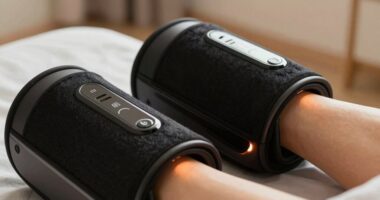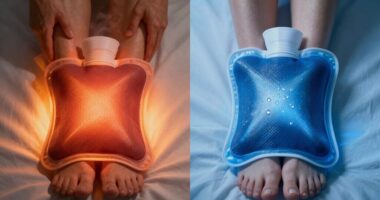

To boost your race performance, focus on small sleep upgrades. Stick to a consistent sleep schedule, even on weekends, to regulate your internal clock. Create a calm bedtime routine with light stretching or meditation to ease into sleep. Optimize your sleep environment by making it dark, cool, and quiet. Manage pre-race anxiety with deep breathing techniques, and be mindful of your nutrition. These adjustments can make a significant difference leading up to your goal race, and there’s more to explore.

Get workout gear delivered free with Prime
- Fast, free delivery on millions of items
- Prime Video, Amazon Music and more included
- Member-only deals all year
Key Takeaways
- Establish a consistent sleep schedule by going to bed and waking up at the same times daily, including weekends.
- Create a calming bedtime routine with activities like reading, stretching, or meditation to signal your body to unwind.
- Optimize your sleep environment by ensuring it’s dark, cool, and quiet, using blackout curtains or white noise if necessary.
- Limit heavy meals and caffeine close to bedtime, opting for lighter snacks if hungry before sleep.
- Practice relaxation techniques, such as deep breathing or visualization, to manage pre-race anxiety and improve sleep quality.

As you gear up for your goal races, prioritizing sleep can make all the difference in your performance. When you’re well-rested, your body functions at its best, enhancing your endurance, focus, and recovery. Implementing effective sleep strategies is vital, especially as race day approaches. Instead of waiting until the night before the race, start adjusting your sleep habits well in advance.
Prioritizing sleep as you prepare for goal races can significantly boost your endurance, focus, and recovery. Start adjusting your habits early for optimal performance.
Establishing a solid pre-race routine is essential. Aim to go to bed and wake up at the same time every day, even on weekends. This consistency helps regulate your body’s internal clock, making it easier to fall asleep and wake up refreshed. Before bedtime, consider incorporating calming bedtime rituals. Whether it’s reading, meditating, or practicing light stretching, these activities signal your body that it’s time to wind down.
Your sleep environment plays a significant role in the quality of your rest. Make certain your bedroom is conducive to sleep—keep it dark, cool, and quiet. You might want to invest in blackout curtains, earplugs, or a white noise machine if external light and sounds disrupt your rest. Also, confirm your mattress and pillows provide the comfort you need to drift off easily. A comfortable sleep environment can lead to deeper, more restorative sleep, setting you up for success. Additionally, sleep hygiene practices such as avoiding screens before bed can significantly improve your sleep quality. Incorporating consistent sleep schedules can further enhance your ability to fall asleep and stay asleep through the night, especially when combined with relaxation techniques. Ensuring your sleep environment remains optimal can also help mitigate common sleep disruptions.
In the days leading up to your race, be mindful of your nutrition and hydration as well. Avoid heavy meals and caffeine too close to bedtime, as they can interfere with your ability to fall asleep. Instead, focus on lighter snacks if you’re hungry. Staying hydrated is important, but aim to limit fluid intake an hour before bed to minimize nighttime bathroom trips.
As race day approaches, you might feel a mix of excitement and anxiety, which can disrupt your sleep. To combat this, practice relaxation techniques. Deep breathing exercises or visualization can help calm your mind, making it easier to drift off. If you find yourself tossing and turning, don’t stress about it—just get out of bed and do something calming until you feel sleepy again.
Ultimately, the small sleep upgrades you make now can have a big impact on your performance. By prioritizing your sleep, establishing effective bedtime rituals, and creating an ideal sleep environment, you’ll be setting yourself up for the best possible race day experience. Proper sleep hygiene and sleep quality are essential components of overall wellness and can significantly boost your athletic success. So, sleep well, and get ready to conquer your goals!
As an affiliate, we earn on qualifying purchases.
Frequently Asked Questions
How Many Hours of Sleep Do Elite Athletes Typically Get Before Races?
Elite athletes typically get around 7 to 9 hours of sleep before races. You’ll find that their pre-race routines often include creating an ideal sleep environment, like dimming the lights and keeping the room cool. This helps them recharge effectively. Prioritizing quality sleep not only improves your performance but also boosts your focus and recovery. So, make sure your sleep setup is just right for those important nights leading up to your race.
Can Caffeine Consumption Affect Sleep Quality Before a Goal Race?
Yes, caffeine consumption can definitely affect your sleep quality before a goal race. If you time your caffeine intake too close to bedtime, it can reduce your sleep duration and disrupt your rest. Aim to consume caffeine earlier in the day to avoid negative impacts on your sleep. Prioritizing quality sleep is essential, so managing caffeine timing can help guarantee you’re well-rested and ready to perform your best on race day.
What Are the Best Sleep Positions for Optimal Recovery?
What’s your go-to sleep position for recovery? For ideal rest, try sleeping on your back with a supportive pillow under your neck. This helps maintain spinal alignment and reduces strain. If you prefer your side, place a pillow between your knees to ease pressure on your hips. Don’t forget about mattress firmness—too soft or too hard can hinder recovery. Experiment with these adjustments to find what works best for you!
Are Naps Beneficial Before a Big Race, and How Long Should They Be?
Yes, pre-race naps can be beneficial. They help recharge your energy and improve focus. Aim for an ideal nap duration of 20 to 30 minutes. This length prevents grogginess, allowing you to wake refreshed and ready to tackle your race. Just be sure to time it well—napping too close to race time might disrupt your sleep schedule. So, grab that quick nap and get ready to perform your best!
How Does Sleep Apnea Impact Athletic Performance and Recovery?
Sleep apnea markedly impacts your athletic performance and recovery. It disrupts your breathing patterns during sleep, leading to poor rest and inadequate recovery. This can hinder your training adaptations, making it harder for you to build strength and endurance. Additionally, the fatigue management becomes challenging, as you might feel more tired and less focused during workouts. Addressing sleep apnea is essential for maximizing your athletic potential and ensuring ideal recovery.
Conclusion
As you lace up for your goal race, remember that sleep isn’t just a pit stop; it’s the turbo boost your body craves. Each upgrade you make transforms your night into a power session, sharpening your focus and fueling your drive. So, embrace those restful hours like a secret weapon, and watch as they propel you past the finish line. With every snooze, you’re not just dreaming; you’re racing toward your best self. Sleep well, run strong!
Halloween Picks
halloween
As an affiliate, we earn on qualifying purchases.