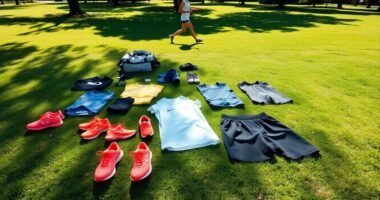

Rotating shoes helps extend their lifespan by preventing excessive wear and tear, while also promoting healthier feet through better breathability and moisture management. By switching between at least two or three pairs and giving each enough time to dry and recover, you reduce the risk of foot problems and maintain proper support. Proper storage and regular maintenance further preserve their quality. Keep these tips in mind to get more out of your footwear—if you’re curious, there’s more to discover.
Key Takeaways
- Rotating shoes extends their lifespan by preventing uneven wear and tear.
- Using multiple pairs allows shoes to air out and dry, reducing moisture buildup.
- Regular rotation maintains proper foot support and reduces the risk of foot problems.
- Store shoes properly and inspect for signs of wear to ensure longevity.
- Incorporate rotation into routine to promote foot health and save money over time.
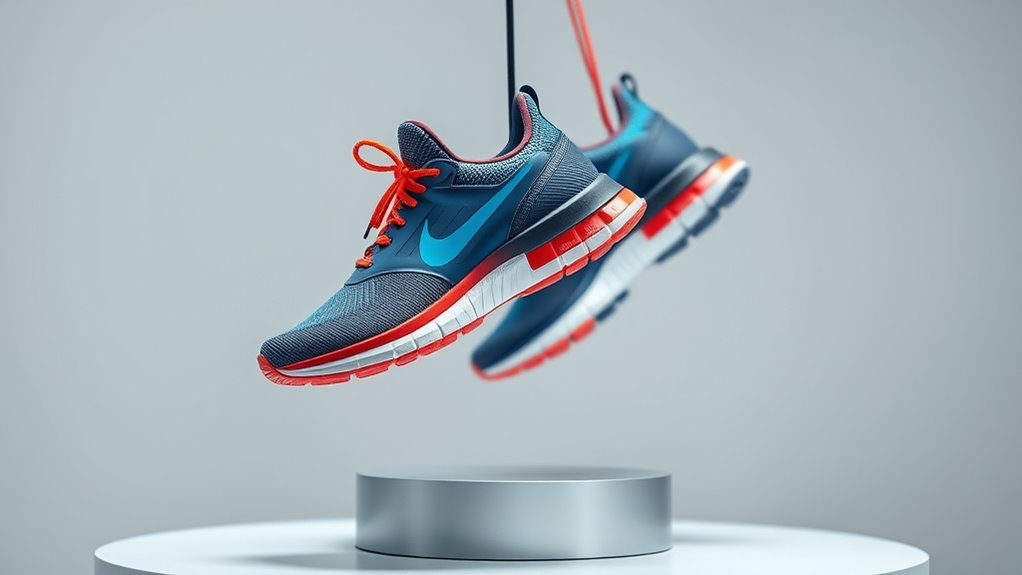
Rotating shoes might seem like a small habit, but it can considerably extend the lifespan of your footwear and keep your feet healthier. When you switch between different pairs, you prevent any one shoe from wearing out too quickly, which directly improves shoe longevity. This practice also benefits your foot health, as it allows shoes to breathe and recover from daily use. Wearing the same pair every day causes the materials to break down faster, leading to accelerated wear and reduced support. By rotating your shoes, you give each pair time to decompress and dry out, maintaining their cushioning and structural integrity longer. This not only saves you money over time but also helps prevent foot problems caused by worn-out shoes, such as blisters, calluses, or misalignment. Regularly rotating footwear also encourages mindful maintenance and care, which further extends their usability.
Rotating shoes extends their lifespan and promotes healthier feet by preventing premature wear and allowing proper recovery.
To effectively rotate your shoes, start by allocating at least two to three pairs for regular use. This doesn’t mean you need a closet full of footwear, but having options ensures you’re not wearing the same shoes daily. When you wear one pair, give it a full day or more off before wearing it again. This rest period allows the shoes to air out, reducing moisture buildup, which can lead to bacteria and odor. Properly dried shoes support better foot health and prevent fungal infections. If you notice a particular pair is becoming uncomfortable or showing signs of wear, switch to another pair sooner, preventing unnecessary strain on your feet. Remember, shoes that retain moisture or deform quickly can cause foot pain or exacerbate existing issues, so rotation helps keep your feet in ideal condition.
In addition, rotating shoes encourages proper maintenance. Regularly cleaning and inspecting your footwear ensures that you catch problems early, such as worn soles or loose stitches. When you rotate, you’re more likely to take the time to care for each pair, which preserves their supportive features and appearance. Proper shoe storage also matters—keep them in a cool, dry place to prevent mold and deterioration. When you’re mindful about rotation, you’re actively contributing to your foot health by reducing pressure points and maintaining proper arch support. This habit helps you avoid long-term discomfort and keeps your feet functioning well. Incorporating footwear rotation into your routine aligns with ergonomic principles and promotes overall comfort.
Ultimately, rotating your shoes is a simple yet effective habit. It maximizes shoe longevity, supports healthier feet, and saves you money in the long run. By giving each pair adequate time to recover, dry, and breathe, you’re investing in both your footwear and your foot health. This small change can make a big difference in how long your shoes last and how comfortable your feet feel day after day.

WGCTEK Rotating Shoe Rack Tower, 7 Tier 28 Pairs Large Shoe Storage Organizer, Space-Saving Free Standing Shoe Racks, 360° Revolving Round Shoe Rack for Closet Handbag Display, White
Space-Saving Design: This rotating shoe rack offers ample storage for up to 30 pairs of shoes in a…
As an affiliate, we earn on qualifying purchases.
As an affiliate, we earn on qualifying purchases.
Frequently Asked Questions
How Often Should I Rotate My Shoes?
You should rotate your shoes every 2 to 3 days to prevent excessive wear and allow them to air out. Proper shoe storage helps maintain their shape, while sneaker cleaning keeps them fresh and extends their lifespan. By rotating your shoes regularly, you give each pair time to recover, reducing odor and damage. This simple routine keeps your footwear in great shape, ensuring comfort and durability over time.
Can Rotating Shoes Prevent Injuries?
An ounce of prevention is worth a pound of cure, and rotating shoes can help prevent injuries. By switching between shoes made from different materials, you reduce stress on specific areas and allow your footwear to dry and recover. Plus, exploring aesthetic variety keeps your style fresh. This practice minimizes the risk of overuse injuries, ensuring your feet stay healthy and comfortable during your activities.
What Signs Indicate I Need New Shoes?
You need new shoes when you notice signs like worn-out shoe material, such as thinning soles or frayed uppers, which reduce support. Seasonal changes can accelerate wear, especially if your shoes don’t suit the weather. If you feel less comfortable, experience foot or heel pain, or notice decreased grip, it’s time to substitute them. Regularly check your shoes to guarantee they provide proper support and prevent injuries.
Does Shoe Rotation Improve Comfort?
Imagine your feet dance on different stages each day—that’s what shoe rotation does. It enhances comfort by giving your shoes a chance to rest, so the shoe material stays supple and supportive. By rotating your shoes, you help maintain proper arch support, reducing pressure points and preventing discomfort. This simple act keeps your feet feeling fresh, like switching to a new dance partner, ensuring every step feels cozy and supportive.
Should I Rotate Different Shoe Types?
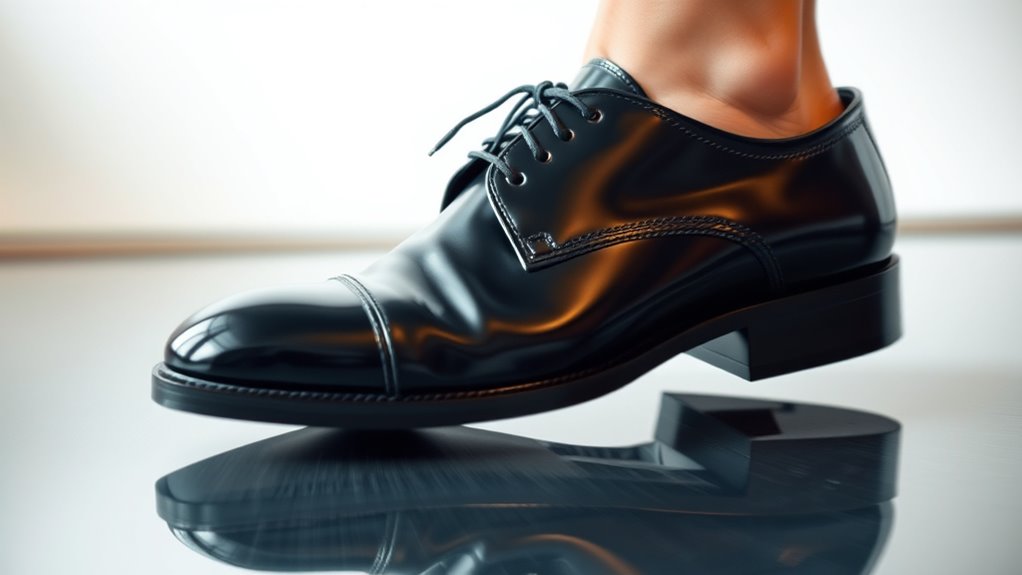
Yes, you should rotate different shoe types to enjoy benefits like shoe style variety and seasonal footwear choices. Switching between sneakers, dress shoes, and boots helps prevent foot fatigue and extends the lifespan of each pair. By varying your footwear, you also give specific shoes time to breathe and recover, maintaining comfort and durability. Incorporate different styles into your routine to stay comfortable and stylish year-round.
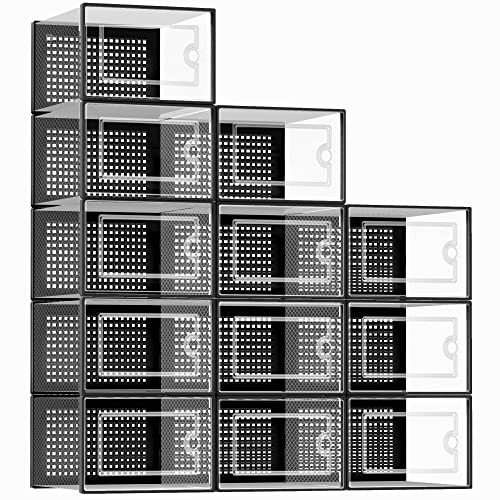
Kuject X-Large Shoe Storage Boxes Organizers Clear Plastic Stackable 12 Pack, Shoe Rack & Holder Substitute, Sneaker Containers, Toy Storage Organizer Bins for Entryway, Closet, Under Bed, Black
Fits the Whole Family: These shoe storage boxes fit shoes up to Men's 11 / Women's 12, plus…
As an affiliate, we earn on qualifying purchases.
As an affiliate, we earn on qualifying purchases.
Conclusion
By rotating your shoes, you’re not just caring for your footwear—you’re nurturing a garden of balance and longevity. Each pair becomes a different chapter in your journey, symbolizing versatility and resilience. Just as seasons change, so do your needs and strides. Embrace this ritual, and your shoes will stand as enduring symbols of your adaptability, guiding your steps with wisdom and grace through every path you take.

4D Cloud Steppers Insoles for Men and Women – Shock Absorption Inserts, Soft Anti-Fatigue, Relieve Foot Pain, Memory Foam Insoles for Shoes, Boots & Sneakers (Black, Men: US 7-10/ Women: US 8.5-12)
【4D Cloud Cushion + Trim-to-Fit Design】Plantillas para zapatos de hombre crafted with 4D cloud memory foam deliver cloud-like…
As an affiliate, we earn on qualifying purchases.
As an affiliate, we earn on qualifying purchases.
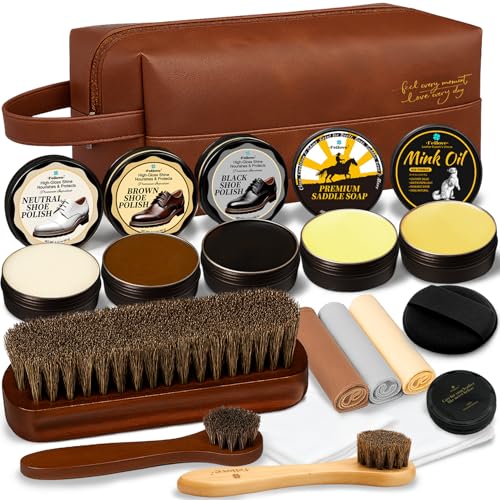
Shoe Care Kit – 16-in-1 Leather Shoe Polish, Cleaning & Conditioning Kit with Saddle Soap & Mink Oil – Black/Brown/Neutral Shoe Polish, 3 Horsehair Brushes – Luxury Leather Bag – Gift for Men & Women
COMPLETE 16-IN-1 LUXURY SHOE POLISH KIT: Everything for premium leather care in one complete shoe polish kit: Black/Brown/Neutral…
As an affiliate, we earn on qualifying purchases.
As an affiliate, we earn on qualifying purchases.