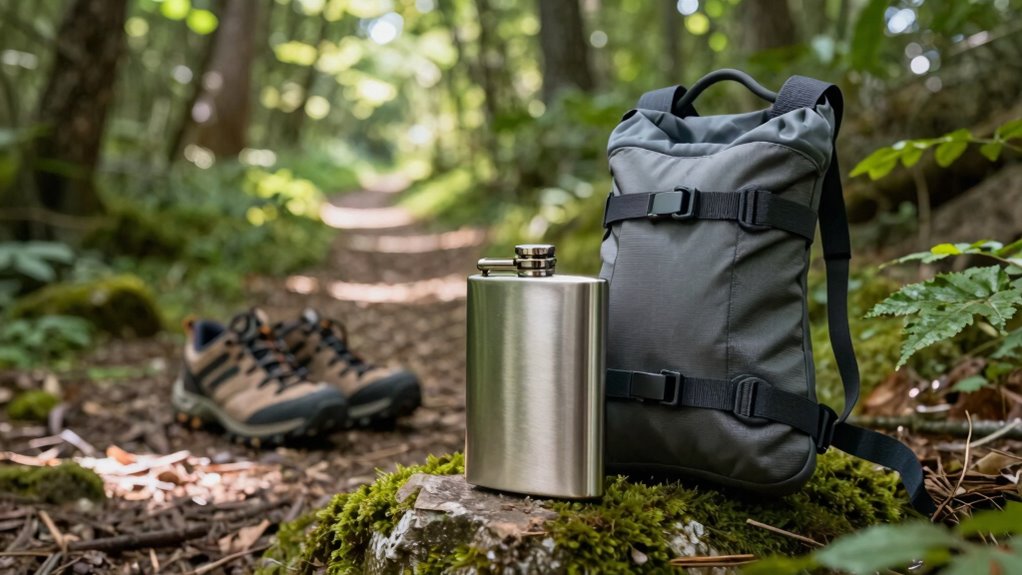

When deciding between a soft flask and a bladder for medium-length trail runs, consider comfort and hydration efficiency. Soft flasks are lightweight and easy to access, allowing quick sips without breaking your stride. They’re also simpler to clean. On the other hand, bladders hold more water, reducing refill stops, which is great for longer trails. Both have their perks, but choosing the right one can enhance your performance. Discover more on how to optimize your hydration strategy.

Get workout gear delivered free — and shop member deals
- Fast, free delivery on millions of items
- Access to Prime Big Deal Days deals on October 6–7
- Prime Video, Amazon Music and more included
Key Takeaways
- Soft flasks are lightweight and easily portable, making them ideal for quick hydration during medium-length runs.
- Bladders offer larger water capacity, reducing the need for frequent refills on longer trails.
- Soft flasks allow for quick access to hydration without stopping, enhancing pace efficiency.
- Bladders provide even weight distribution when properly fitted, suitable for extended outings.
- Soft flasks are easier to clean and maintain, preventing issues like mold development.
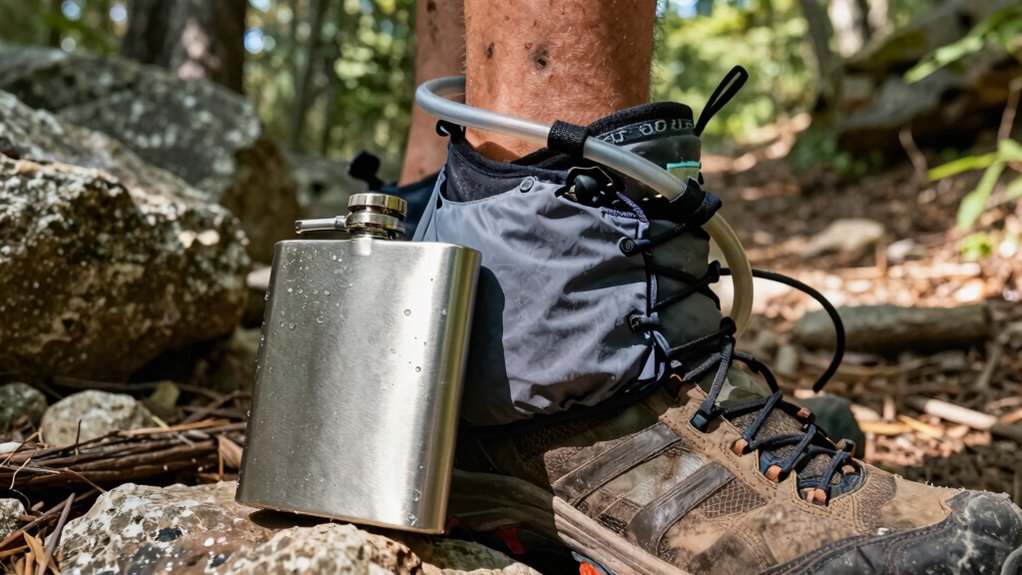
When you’re out on the trail, staying hydrated is essential, and choosing between a soft flask and a bladder can make a big difference in your run. Both options have their pros and cons, but understanding how each fits into your hydration strategies is key to a successful outing. You want to stay comfortable while keeping your energy up, and that often hinges on how you carry your water.
Soft flasks are lightweight and flexible, which means they can easily fit into pockets or hydration vests without adding bulk. When you drink from a soft flask, you can squeeze it to get water quickly, making it a convenient option when you’re on the move. You’ll find that this can lead to a more efficient hydration strategy, especially during medium-length runs where you might need to drink more frequently.
On the other hand, bladders offer a larger capacity, allowing you to carry more water without needing to refill as often. This can be a significant advantage on longer trails where water sources are scarce. However, the comfort comparison between a bladder and a soft flask often depends on how you’re set up. A well-fitted bladder in a backpack can distribute weight evenly, but if it’s not adjusted correctly, you might end up feeling it bounce against your back, making your run less enjoyable.
When it comes to accessibility, soft flasks generally win. You can easily grab one from your pack and sip while running, but with a bladder, you might need to stop and fumble with the tube. If you’re in a race or just trying to maintain your pace, that little bit of extra effort can feel like a lot. Ease of access is a crucial factor to consider for quick hydration during your run. Additionally, understanding hydration strategies can help you optimize your water intake and improve your overall performance.
The cleaning process is another aspect to evaluate. Soft flasks are usually easier to clean and dry, while bladders often come with complicated tubing that can trap moisture and lead to mold if not maintained properly. Proper hydration container maintenance is crucial to prevent mold and ensure your gear stays fresh. Regularly inspecting and cleaning your gear can extend its lifespan and keep your hydration safe. Additionally, choosing gear with easy-to-clean features can simplify this process further.
Ultimately, the choice between a soft flask and a bladder comes down to personal preference and the specific demands of your run. Reflect on your hydration strategies, the terrain, and how you want to feel throughout your journey. Make your decision thoughtfully, and you’ll enjoy every step of your adventure on the trail.
As an affiliate, we earn on qualifying purchases.
Frequently Asked Questions
How Do I Clean My Soft Flask or Bladder?
To clean your soft flask or bladder, start by rinsing it with warm water. Use a cleaning brush or a pipe cleaner to scrub the inside, focusing on the corners. For tougher stains, mix warm water with mild soap or vinegar. Rinse thoroughly to remove any residue. Regular maintenance tips include air-drying your flask upside down and storing it in a cool, dry place to prevent mold growth.
Can I Use a Soft Flask for Hydration During Races?
Absolutely, you can use a soft flask for hydration during races. Imagine holding a lightweight, flexible bottle that easily fits in your hand—sounds ideal, right? Soft flasks offer benefits like quick sips and reduced sloshing, helping you stay focused. While bladders provide greater capacity for long runs, the convenience of a soft flask can’t be beaten for shorter races. Ultimately, it’s about what feels best for your race day performance.
What Is the Best Way to Store My Hydration Gear?
To store your hydration gear effectively, prioritize gear organization. Use labeled bins or pouches for each item, like soft flasks and bladders. Keep them clean and dry to prevent mildew. For hydration strategies, consider a dedicated spot for your gear in your pack, ensuring easy access during runs. Regularly check your supplies and replenish as needed, so you’re always prepared for your next adventure. Stay organized, and you’ll run smoother!
Are There Any Weight Differences Between Soft Flasks and Bladders?
When you consider weight comparison, a soft flask typically weighs about 1-2 ounces when empty, while a bladder can weigh around 4-6 ounces. This means you’re carrying less extra weight with a soft flask. However, think about capacity differences too; bladders can hold more liquid, often up to 3 liters, whereas soft flasks usually max out at 1 liter. So, you’ll need to balance weight and capacity based on your hydration needs.
How Do I Prevent Leaks in My Hydration System?
To prevent leaks in your hydration system, start by checking all seals and connections to guarantee they’re tight. Regularly inspect your soft flask or bladder for wear and tear—replace any damaged parts. When filling, avoid overfilling; leave some space to allow for expansion. Finally, use a hydration tip like keeping your hose or nozzle clean and free from debris. With these leak prevention strategies, you’ll stay hydrated without any spills!
Conclusion
As you stand at the trailhead, the sun creeping over the horizon, you face a choice that could shape your run. Will you opt for the soft flask, its sleek design promising ease and quick sips, or the bladder, offering a steady flow for those longer stretches? Each option holds its own allure, but the decision rests in your hands. As you take a deep breath, the trail awaits—what will you choose to quench your thirst on this adventure?
Fall Picks
fall essentials
As an affiliate, we earn on qualifying purchases.