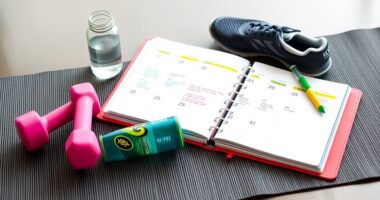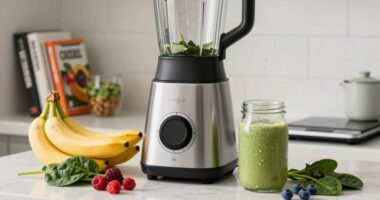

To fuel a 60-minute run without overcomplicating it, stay well-hydrated by sipping water steadily throughout the day and drinking a glass 15-20 minutes before you run. Choose a simple, easily digestible snack like a banana or toast with jam about 30-60 minutes prior to start. Focus on natural carbs for quick energy and avoid heavy or greasy foods. If you want practical tips for an easy and effective pre-run plan, keep exploring ways to tailor your routine.

Get workout gear delivered free — and shop member deals
- Fast, free delivery on millions of items
- Access to Prime Big Deal Days deals on October 6–7
- Prime Video, Amazon Music and more included
Key Takeaways
- Hydrate steadily throughout the day and have a glass of water 15-20 minutes before running.
- Eat a small, easy-to-digest snack like a banana or toast with jam 30-60 minutes prior.
- Avoid heavy, greasy foods to prevent stomach discomfort during the run.
- Sip water during the run if needed, especially on hot days or if sweating heavily.
- Personalize your fueling routine by observing how your body responds and adjusting accordingly.
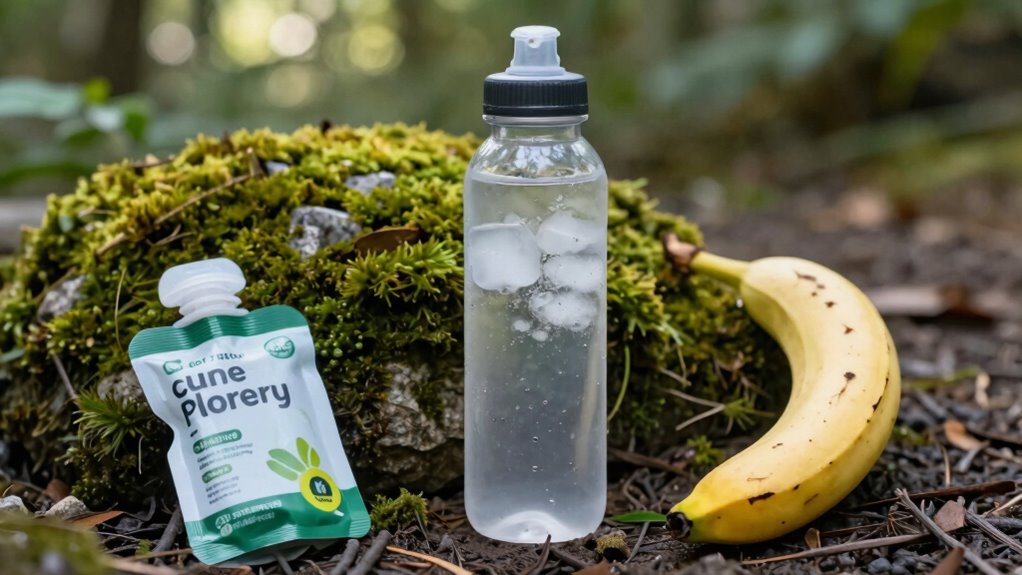
Preparing your body with the right fuel is essential when planning a 60-minute run. Your goal is to stay energized without overloading your stomach or complicating your routine. To do that, focus on hydration strategies and pre-run snacks that support your performance without causing discomfort. Hydration isn’t just about drinking water right before you head out; it’s about maintaining a steady intake throughout the day and just before your run. Aim to drink a glass of water about 15-20 minutes before stepping out. If it’s a hot day or you tend to sweat a lot, consider adding an electrolyte drink to replenish lost minerals, which helps prevent cramping and keeps your energy levels stable. During your run, sipping small amounts of water if needed can help sustain hydration without feeling heavy or bloated.
Stay hydrated throughout the day and just before your run for optimal energy and comfort.
When it comes to pre-run snacks, simplicity is key. You want something easy to digest that provides quick energy without making you feel sluggish. A small banana, a handful of raisins, or a piece of toast with a thin spread of jam works well. These options contain natural sugars and some carbs, which give you an immediate energy boost. Eating something about 30 to 60 minutes before your run allows your body enough time to process and convert that fuel into usable energy. Avoid heavy, greasy foods that can cause stomach upset or sluggishness, and steer clear of anything too high in fiber right before heading out, as it might lead to discomfort. Incorporating proper fueling techniques can further optimize your performance and comfort during the run. Additionally, understanding how your body responds to different foods can help you tailor your routine for better results. It’s also helpful to pay attention to your body’s responses to different foods and hydration methods over time. Developing an awareness of your hydration needs can help prevent dehydration and improve your endurance during longer runs. Recognizing the importance of nutrition timing can help you fine-tune your pre-run plan for optimal energy levels.
As an affiliate, we earn on qualifying purchases.
Frequently Asked Questions
Can I Skip Fueling if I’M Not Hungry Before My Run?
You can skip fueling if you’re not hungry before your run, especially if your pre-run meal timing was adequate. For beginners, it’s common to feel fine without extra fuel for a 60-minute run, but listen to your body. If you notice fatigue or discomfort, consider a small snack next time. Generally, for runs under an hour, your body’s stored energy should suffice, so don’t overthink it.
What’s the Best Type of Carbohydrate for Quick Energy?
For quick energy during your run, simple sugars are your best bet because they digest fast and give you an instant boost. Think of options like honey or a small piece of fruit. Complex carbs, like whole grains or oats, provide sustained energy but aren’t as immediate. For a 60-minute run, a small amount of simple sugars right before or during your workout can keep your energy levels high without overcomplicating your fueling plan.
Should I Drink Water or a Sports Drink During the Run?
During your run, opt for water if it’s cool and you’re not sweating excessively; think of it as your steady stream of calm. But if you’re pushing into the heat or sweating buckets, a sports drink becomes your electrolyte ally, helping balance minerals lost through sweat. Hydration strategies like this keep your body in harmony, preventing cramping and fatigue, so you finish strong and energized.
How Soon Before Running Should I Eat a Snack?
You should aim to eat a snack about 30 to 60 minutes before your run, depending on your digestion speed. Pre-run digestion is key—if you eat too close to your run, you might feel uncomfortable, but eating too early might leave you hungry. A small, easily digestible snack like a banana or a granola bar works well. Adjust the snack timing based on how your body responds to optimize your energy.
Is It Okay to Try New Fueling Strategies During a Race?
It’s generally not a good idea to try new fueling strategies during a race, as it can cause stomach issues or energy dips. Stick to your race day nutrition plan and avoid fueling experiments on race day. Instead, practice your fueling routine during training to guarantee it works for you, so you feel confident. This way, you maintain steady energy levels and avoid surprises when it counts.
Conclusion
So, next time you lace up for a 60-minute dash, skip the fancy fuel buffet and stick to simple carbs—think a banana or a sports gel. Picture your stomach as a tiny, overenthusiastic chef trying to juggle flaming torches; keep it happy with easy-to-digest treats. After all, you don’t need a culinary masterpiece—just enough fuel to keep your legs moving, not staging a revolt in your gut. Happy running!
Fall Picks
fall essentials
As an affiliate, we earn on qualifying purchases.