
Many running terms seem confusing until you uncover their origins and cultural roots. For example, “fartlek” means “speed play” in Swedish, and “PR” comes from tracking personal performance. Understanding these histories shows how strategies like hill repeats or negative splits shaped modern training. Knowing the background behind these words connects you more deeply to the sport’s tradition. Keep exploring, and you’ll discover even more stories that make these terms easier to understand and appreciate.

Get workout gear delivered free with Prime
- Fast, free delivery on millions of items
- Prime Video, Amazon Music and more included
- Member-only deals all year
Key Takeaways
- Many terms originate from specific cultural or regional practices, making their meanings clearer once their history is understood.
- Understanding the historical development of training strategies reveals why certain terms were created.
- Terms like “fartlek” or “hill repeats” reflect long-standing athletic techniques rooted in cultural traditions.
- Knowing the origins of running slang transforms it from jargon into meaningful knowledge about the sport’s evolution.
- Recognizing the historical context deepens appreciation and helps make sense of unfamiliar or confusing running terminology.
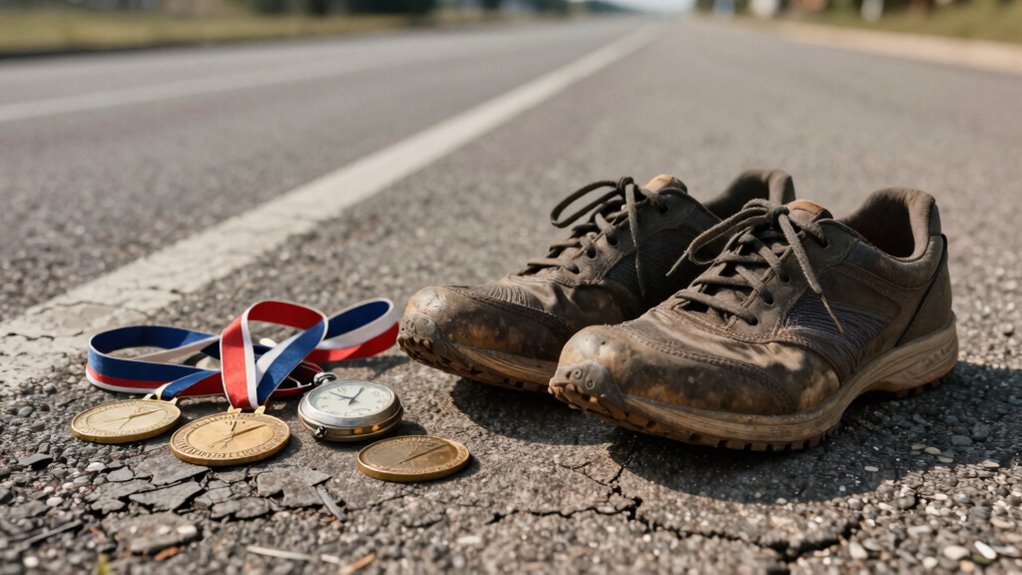
Have you ever wondered where the common terms used in running come from or what they truly mean? It’s easy to get lost in the jargon, especially when you hear phrases like “PR,” “fartlek,” or “negative splits” and feel unsure of their origins. These terms, often considered running slang, have rich histories rooted in the sport’s evolution. Understanding their background can make the language of running feel less confusing and more connected to its roots.
Discover the fascinating origins of running terms and how they connect you to the sport’s rich history.
The terminology evolution in running has shaped many of these terms over decades. For instance, “PR,” which stands for “personal record,” originated as a simple way for runners to track their best performances. But it’s more than just a shorthand—it’s a symbol of personal achievement and progress. Similarly, “fartlek,” a Swedish word meaning “speed play,” was created by Swedish coach Gösta Holmér in the 1930s as a training method that combines continuous running with random bursts of speed. Without knowing its origin, you might think “fartlek” sounds odd or even funny, but understanding its roots reveals its purpose: a playful, flexible approach to speed work.
Other terms like “negative splits” might seem technical until you learn they describe a strategy where you run the second half of a race faster than the first. This concept has evolved from runners’ desire to manage energy efficiently and improve race times. Recognizing the cultural origins of these terms can deepen your appreciation for the sport’s diverse influences. Understanding the historical context behind these strategies can also help you apply them more effectively in your training. Knowing the history behind these terms helps you see that they’re not just jargon but practical strategies developed through experience and experimentation.
Many running slang words have originated from specific cultural or geographical contexts, which can make their meanings seem obscure outside those communities. Take “hill repeats,” for example—training on hills to build strength. The phrase might seem straightforward, but its importance and origin lie in the long-standing training practices of athletes aiming for better endurance and power. Recognizing this history can make the term more meaningful and less arbitrary. Additionally, these training methods often reflect the cultural practices that have shaped athletic training across different regions.
Furthermore, understanding the history of these terms can enhance your overall enjoyment and connection to the sport. The training philosophies that underpin these expressions reflect a rich tapestry of athletic wisdom passed down through generations. In essence, the confusing or funny-sounding terms in running often make more sense once you understand their history. They’re not just random words thrown into conversation; they’re the product of a sport that has evolved over time, shaped by different cultures and training philosophies. Knowing the stories behind these terms transforms your understanding of running slang from mere jargon into a rich language that reflects the sport’s history and progress. It’s like unlocking a secret code that connects you more deeply to the sport and your own running journey.
Products Worth Considering

Garmin Forerunner 70 GPS Running Smartwatch, 43 mm, Black

Garmin Forerunner 165 GPS Running Smartwatch, 43 mm, Black

Hyperice Normatec Elite Wireless Compression Recovery Boots, Standard Size
As an affiliate, we earn on qualifying purchases.
Frequently Asked Questions
How Have Running Terms Evolved Over Different Cultures?
You’ll see that running gear terminology and training technique names have evolved across cultures, reflecting local practices and language. For example, in Japan, phrases like “hashiri” emphasize community runs, while in Kenya, terms focus on endurance and speed. These cultural differences shape how runners describe their gear and techniques, making some terms confusing until you understand their origins. Over time, global influences blend these terms, creating a rich, diverse vocabulary in running.
Are There Slang Terms Unique to Specific Running Communities?
You’ll find that running communities often speak in their own dialects, like a secret code only insiders understand. Local slang and regional dialects create unique terms that reflect their culture and terrain, making each community’s language vibrant and distinct. These slang terms—like “strider” or “sweeper”—are more than words; they’re badges of belonging, turning simple runs into a shared story that only those within the community truly get.
Which Historical Events Influenced Running Terminology Development?
You might not realize it, but the etymology of sprinting comes from the Latin “sprintus,” meaning to rush quickly, influenced by ancient racing practices. The origins of marathon terminology trace back to the legendary Greek event, where Pheidippides ran from Marathon to Athens. These historical events shaped the language we use today, making terms like “marathon” and “sprint” more meaningful once you understand their roots.
Do Professional Runners Use Different Terms Than Amateurs?
Professional runners often use more specialized training jargon and advanced pace vocabulary than amateurs. They understand nuanced terms like “intervals,” “strides,” or “threshold pace,” which help fine-tune their training. As an amateur, you might stick to basic language like “fast,” “slow,” or “steady,” but pros communicate complex concepts efficiently with precise terms. This specialized vocabulary helps them optimize performance and track progress accurately during intense training sessions.
How Do Running Terms Vary Across Different Languages?
Imagine you’re at a global race, hearing runners shout “strides” or “tempo,” but in another language, it’s “paso” or “ritmo.” Running slang varies across languages, often reflecting local culture and terrain. Language barriers can make understanding these terms tricky, but once you grasp their roots, you connect deeper with diverse runners worldwide, crossing words as easily as miles. The shared language of movement unites us all.
Conclusion
You see, understanding the history behind running terms reveals why they make sense today. It’s like uncovering a secret code—once you know the story, the words come alive with meaning. Some theories suggest these terms evolved from practical needs or cultural stories, and even if not all details are certain, the connection to history adds depth to your running experience. Knowing this makes each term more than just words; it’s a piece of running’s rich, fascinating past.