

Focusing on quick, light steps is more effective than overstriding because it improves running efficiency and helps prevent injuries. Shorter, quicker steps reduce impact forces, lowering strain on your knees, hips, and ankles. It also promotes proper biomechanics, making your movement more natural and sustainable. With quick feet, you’ll conserve energy, maintain better form, and avoid fatigue. Keep exploring to discover how mastering your cadence can transform your running and keep you injury-free.
Open a free Amazon Business account
Business pricing, bulk buying and tax-exempt orders.
As an affiliate, we earn on qualifying purchases.
Key Takeaways
- Quick feet promote better running economy by reducing energy expenditure and preventing fatigue.
- Short, rapid steps minimize impact forces, decreasing injury risk compared to overstriding.
- Faster cadence improves biomechanics, ensuring proper foot placement and reducing strain on joints.
- Maintaining quick steps enhances muscular endurance and stability over long distances.
- Focused foot speed encourages efficient technique, leading to better performance and injury prevention.
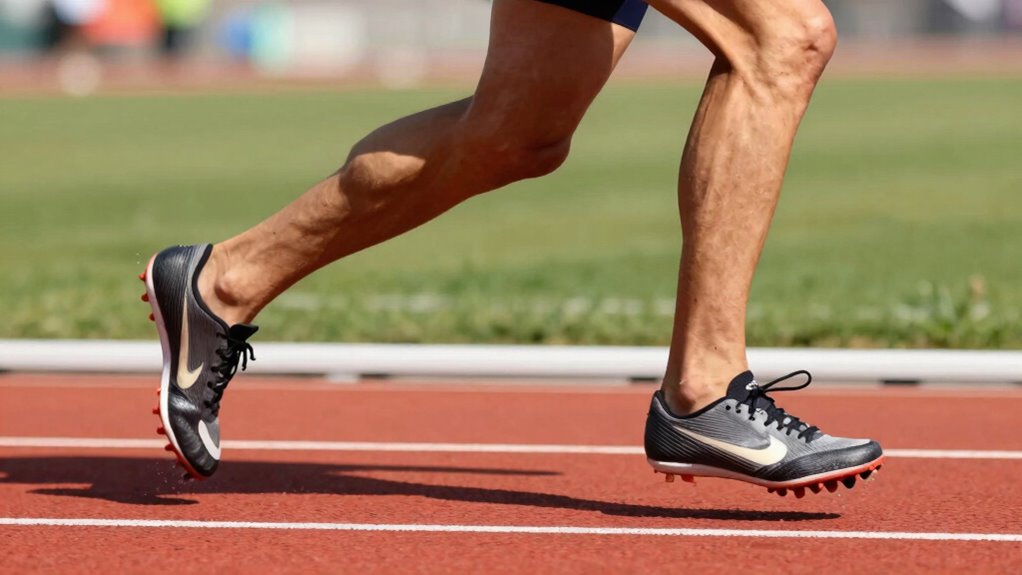
Have you ever wondered why runners who focus on quick, light steps often outperform those who try to stride longer? The answer lies in the way your body conserves energy and minimizes injury risk. When you prioritize quick, efficient foot strikes, you improve your running economy—the amount of energy needed to run at a given pace. This means you can run faster or longer without exhausting yourself. Longer strides might seem like a good idea for covering ground quickly, but they often lead to inefficient movement patterns that waste energy. By keeping your steps short and rapid, you promote a more ideal use of your muscles and joints, making each stride more effective.
Quick, light steps boost running efficiency and reduce injury risk by promoting better biomechanics and energy conservation.
A key advantage of quick feet is that they help you develop better running biomechanics. When you land softly and with quick cadence, you reduce the impact forces traveling up your legs. This not only boosts your running economy but also plays a vital role in injury prevention. Overstriding—when your foot lands too far ahead of your center of mass—puts extra strain on your knees, hips, and lower back. It increases the likelihood of overuse injuries like stress fractures, Achilles tendinitis, or runner’s knee. Focusing on quick, light steps encourages you to land beneath your hips, distributing forces more evenly and reducing the risk of strain. Developing proper running technique through mindful practice can further enhance these benefits.
Additionally, quick foot turnover allows you to maintain a natural rhythm and better adapt to changing terrain or fatigue. When your steps are rapid, you’re less likely to overreach or overstride, which can happen when you try to lengthen your stride. Over time, this helps build muscular endurance in the calves, ankles, and feet, further supporting injury prevention. Moreover, a consistent cadence is easier to sustain over long distances, helping you maintain optimal form. Furthermore, quick steps enable you to react swiftly to obstacles or changes in your running environment, maintaining stability and control. Developing optimal running form through quick, light steps can lead to more consistent performance over time. Incorporating proper technique in your training can also enhance your overall efficiency and reduce injury risk. Practicing mindful running helps reinforce these good habits and ensures you stay focused on maintaining proper cadence and form.
In essence, emphasizing quick, light steps isn’t just about running faster; it’s about running smarter. It enhances your running economy by making each stride more efficient, conserving energy for longer runs or faster speeds. Simultaneously, it minimizes the impact forces that can lead to injuries, keeping you on the road longer and healthier. So, instead of trying to cover more ground with longer strides, focus on quick, controlled steps. Your body will thank you with better performance, fewer injuries, and a more enjoyable running experience.
As an affiliate, we earn on qualifying purchases.
Frequently Asked Questions
How Does Quick Footwork Improve Overall Running Efficiency?
Quick footwork improves your overall running efficiency by increasing foot speed and ankle agility, allowing you to adapt quickly to changes in terrain or pace. Faster steps reduce ground contact time, conserving energy, while agile ankles help maintain proper form. This combination makes your strides more effective, minimizes fatigue, and boosts your ability to accelerate or decelerate smoothly, ultimately making you a more efficient and confident runner.
Can Quick Feet Prevent Common Running Injuries?
Think of quick feet as your secret shield, much like a knight’s agility in battle. They help you maintain proper foot strike, reducing impact stress and lowering injury risk. Quick footwork also boosts calf endurance, preventing fatigue that often leads to injuries like shin splints or Achilles issues. By staying light and nimble, you decrease the chance of overuse injuries, keeping you running smoothly and injury-free longer.
Is Quick Footwork Suitable for All Running Terrains?
Quick footwork is suitable for most running terrains, including trail running and uneven terrain. It helps you stay agile, adapt swiftly to changing surfaces, and maintain balance, reducing the risk of slips or falls. While it’s especially effective on uneven terrain, you should also adjust your pace and foot placement based on terrain difficulty. Practicing quick, controlled steps benefits your overall running efficiency and safety across various environments.
How Long Does It Take to Develop Quick Feet?
Think of developing quick feet like training a sprinter’s engine; it takes consistent effort. With dedicated agility drills and focused foot speed exercises, you can notice improvements within a few weeks. Typically, it takes about 4 to 8 weeks of regular practice to see significant progress. Keep at it, stay patient, and your agility will sharpen, making your movements faster and more precise—like a fighter jet ready for takeoff.
What Exercises Specifically Target Quick Foot Movements?
You can improve your foot speed with specific drills like ladder drills, cone drills, and jump rope exercises. These drill variations challenge your quickness and agility, helping you develop rapid foot movements. Focus on maintaining quick, precise steps rather than length. Consistent practice with these exercises enhances your quick feet, making your movements more explosive and efficient during sport or daily activities.
Conclusion
So, next time you hit the track, remember that focusing on quick, efficient feet can boost your speed more than just lengthening your stride. Studies show that runners with faster foot turnover tend to be more energy-efficient and reduce injury risk. By prioritizing quick feet, you’re optimizing your performance and stamina. It’s a simple change that can make a huge difference—so keep those feet moving quickly, and watch your speed improve!
Fall yard work Picks
leaf blowers
As an affiliate, we earn on qualifying purchases.