Understanding your heart-rate zones helps you run smarter and prevent injuries. By monitoring your heart rate, you can target specific zones to improve endurance, speed, or recovery, ensuring your workouts are effective. Your maximum heart rate is estimated by 220 minus your age, with zones ranging from 50% to 100% of that. Staying within these zones allows for tailored training. If you want to learn how to apply this to your runs, there’s plenty more to explore.
Key Takeaways
- Heart-rate zones are based on percentages of your maximum heart rate (MHR) to tailor training intensity.
- Zone 2 (60-70%) is ideal for building aerobic endurance and improving overall fitness.
- Monitoring your heart rate helps prevent overtraining, optimize workouts, and track progress over time.
- Different zones serve specific purposes: warm-up (Zone 1), endurance (Zone 2), tempo (Zone 3), and interval training (Zones 4-5).
- Using a heart-rate monitor enables data-driven training decisions for safer, more effective running performance.
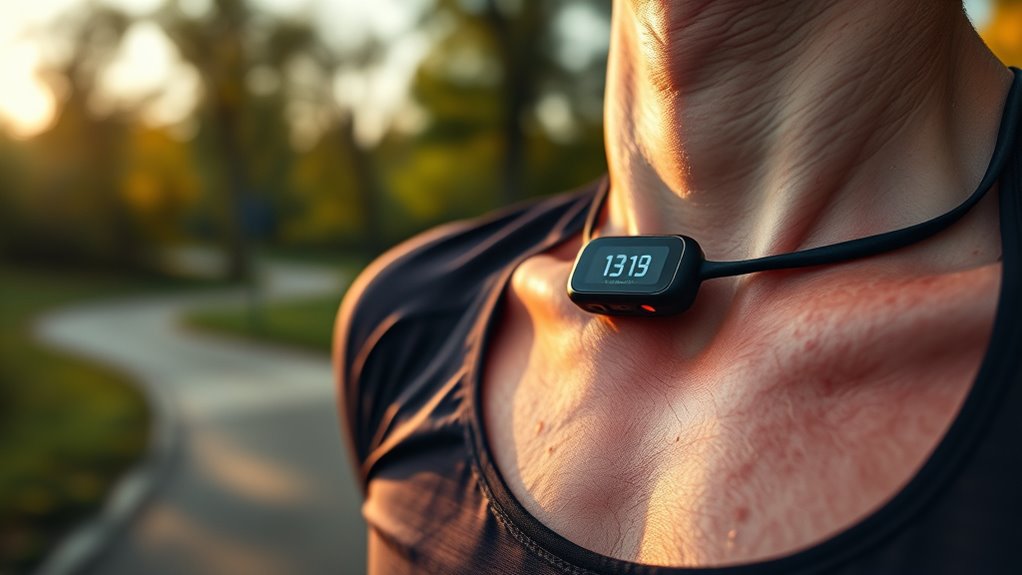
Understanding your heart-rate zones is essential for maximizing your running workouts and achieving your fitness goals. When you know how to target specific zones, you can tailor your training plans to improve endurance, speed, and recovery. Heart rate monitors are invaluable tools that help you stay within these zones during your runs, providing real-time feedback to optimize your effort. Without understanding these zones, you might be wasting time running at intensities that aren’t aligned with your goals or risking burnout and injury.
Your heart-rate zones are based on your maximum heart rate (MHR), which varies from person to person. To find your MHR, you can do a simple test or use estimates like 220 minus your age. Once you know your MHR, you can calculate your zones as percentages of that number. For example, Zone 1 is 50-60% of MHR, ideal for warm-ups and cool-downs. Zone 2, 60-70%, is great for building aerobic capacity and endurance. Zone 3, 70-80%, is your tempo zone, where you improve your stamina and speed. Zone 4, 80-90%, pushes your limits and boosts your anaerobic capacity, but should be used sparingly. Zone 5, 90-100%, is maximum effort, reserved for short, intense intervals.
Your heart-rate zones are based on your maximum heart rate, guiding effective training for endurance, speed, and recovery.
Using a heart rate monitor helps you stay within these zones accurately. They come in various forms—wrist-based, chest straps, or even smartwatches—and provide immediate feedback. When you run, you can glance at your monitor to check if you’re in your target zone. This immediate insight prevents you from overtraining in higher zones or undertraining in lower ones. Over time, consistently training within specific zones allows you to build a balanced fitness foundation, improve your speed, and recover more efficiently.
Additionally, understanding your heart rate in relation to your fitness level can help you optimize exercise intensity and avoid overexertion. Incorporating heart-rate zones into your training plans also helps with pacing. For instance, if you’re preparing for a race, you can plan your runs around specific zones to simulate race day intensity. It’s also easier to track progress because, as your fitness improves, you’ll notice your heart rate at certain speeds decreases, indicating increased efficiency. This provides motivation and a clear measure of improvement. Ultimately, understanding and utilizing your heart-rate zones with a reliable heart rate monitor transforms your running from guesswork into data-driven training, helping you reach your goals smarter and safer.
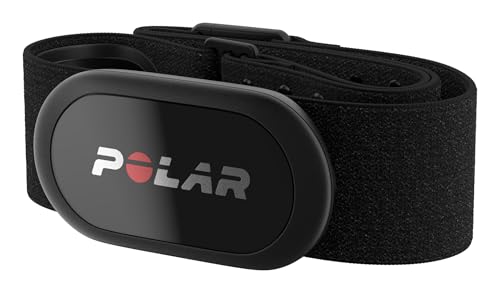
Polar H10 Heart Rate Monitor Chest Strap – ANT + Bluetooth, Waterproof HR Sensor for Men and Women, Black, M-XXL
WORKS WITH EVERYTHING: Polar HRM works with ALL HRM compatible Equipment.
As an affiliate, we earn on qualifying purchases.
As an affiliate, we earn on qualifying purchases.
Frequently Asked Questions
How Often Should I Update My Heart-Rate Zones?
You should update your heart-rate zones every 4 to 6 weeks, especially if your training consistency varies or if you notice changes in your performance. Regular zone recalibration guarantees your zones stay accurate, helping you train effectively and avoid overtraining. Keep track of your progress and adjust accordingly, as your fitness level improves, to maximize your training benefits and stay within the right intensity zones.
Can Heart-Rate Zones Improve My Marathon Performance?
Think of your heart-rate zones as a finely tuned orchestra, each part playing a crucial role. Yes, they can improve your marathon performance by guiding your training consistency and optimizing your effort levels. When you use targeted heart-rate zones alongside proper nutrition strategies, you maximize endurance and stamina. This harmony helps you run more efficiently, pushing your limits, and crossing the finish line stronger and more confident.
What Equipment Is Best to Monitor My Heart Rate?
You should consider wearable devices or chest straps to monitor your heart rate effectively. Wearable devices like fitness watches are convenient and easy to use, providing real-time data during your runs. Chest straps offer more accurate readings, especially at higher intensities. Choose based on your preference for comfort and accuracy. Both options help you stay within your target heart-rate zones, optimizing your training and improving performance.
Are Heart-Rate Zones Suitable for Beginner Runners?
Think of heart-rate zones as your running compass, guiding you through steady progress. As a beginner, they’re highly suitable because they promote training consistency and help prevent injury. By staying within the right zones, you build a solid foundation without overexertion. This mindful approach encourages confidence and resilience, turning each run into a step toward healthier, sustainable progress. Heart-rate zones make your running journey safer and more effective from the start.
How Do Altitude and Temperature Affect Heart-Rate Zones?
Altitude and temperature markedly influence your heart-rate zones. When you’re at higher altitudes, your body needs more oxygen, causing your heart rate to increase during activity—this is altitude adaptation. Conversely, extreme temperatures, especially heat, can raise your heart rate as your body works harder to cool down. Always adjust your training intensity accordingly, and listen to your body to stay safe in varying conditions.
Polar H10 Heart Rate Monitor Chest Strap – ANT + Bluetooth, Waterproof HR Sensor for Men and Women, Black, M-XXL
WORKS WITH EVERYTHING: Polar HRM works with ALL HRM compatible Equipment.
As an affiliate, we earn on qualifying purchases.
As an affiliate, we earn on qualifying purchases.
Conclusion
Now that you know your heart-rate zones, you’re armed with a secret map to unlock your running potential. Think of each zone as a different gear on your race car—some speeds are for building strength, others for recovery. By tuning into your heart’s signals, you’ll navigate your runs with the finesse of a seasoned sailor steering through changing tides. Embrace the rhythm, and watch your running journey blossom into a symphony of progress and passion.

Smart Watch for Men Women(Answer/Make Calls), 2026 New 1.85" HD Smartwatch, Fitness Tracker with 110+ Sport Modes, IP68 Waterproof, Heart Rate/Sleep/Step Monitor, Activity Tracker for Android iOS
Bluetooth Call and Message Alerts: Smart watch is equipped with HD speaker, after connecting to your smartphone via…
As an affiliate, we earn on qualifying purchases.
As an affiliate, we earn on qualifying purchases.
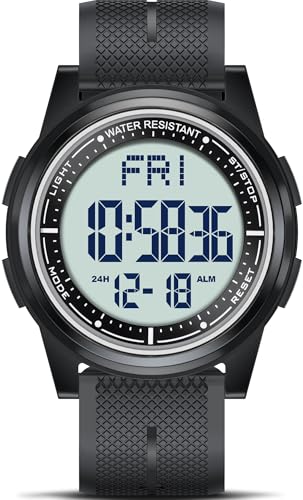
Beeasy Digital Watch Waterproof with Stopwatch Alarm Countdown Dual Time, Ultra-Thin Super Wide-Angle Display Digital Wrist Watches for Men Women
Ultra-thin Digital Watch: Casual and simple dial design, and ultra-thin case thickness(only 7mm), easy wear it in daily…
As an affiliate, we earn on qualifying purchases.
As an affiliate, we earn on qualifying purchases.