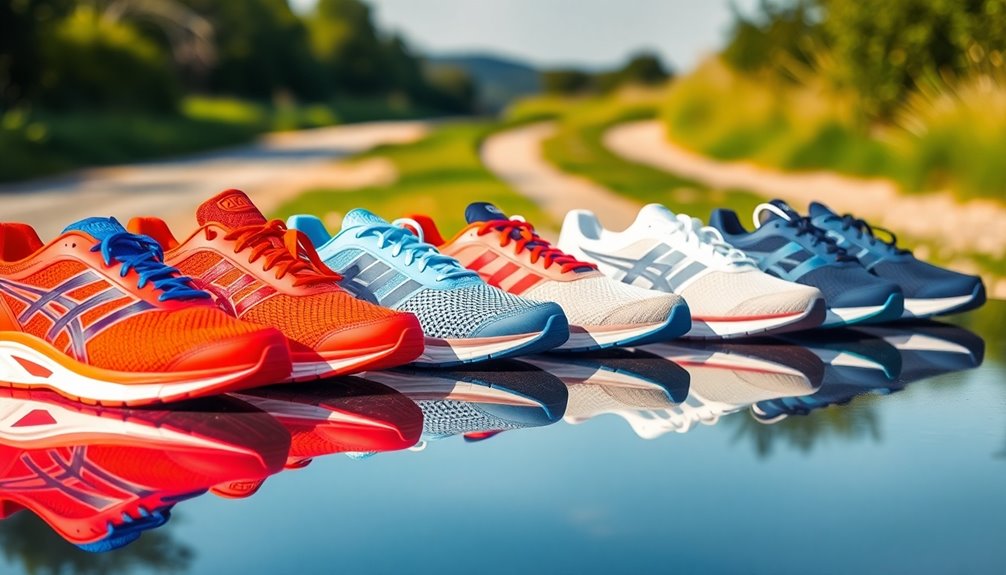

For durable training shoes for runners, I’d start with the ASICS Gel-Excite 11 as the best overall road-running choice, while the Nike Quest 6 suits runners who want a more structured daily option and the ASICS Gel-Venture 11 covers trail routes. The main tradeoff is that shoes built for steady road miles do not always offer the grip or lateral support needed for trails and gym workouts. Some models favor accessible everyday comfort, while others place more emphasis on workout stability or easy entry. I ranked these 14 options by how well their design matches the type of training they are meant to handle, alongside fit, construction, and versatility. Read on for the full breakdown and a guide to choosing the right pair for your running routine.

Get workout gear delivered free with Prime
- Fast, free delivery on millions of items
- Prime Video, Amazon Music and more included
- Member-only deals all year
Complete the kit

Key Takeaways
- The ASICS Gel-Excite 11 leads for everyday road training: it offers the clearest all-around running focus in a group that also includes gym, trail, and casual-training designs.
- Road-running shoes and gym trainers are not interchangeable: the TriBase Reign 6 and Air Max Alpha Trainer 6 prioritize workout stability, while models such as the Nike Quest 6 are better matched to forward-moving road runs.
- The Gel-Venture 11 is the specialist pick for uneven routes: trail-oriented traction can help on dirt and loose ground, but it is less compelling if most miles are on pavement.
- Several options share a value-minded everyday role: the Charged Assert 9, Assert 10, Assert 11, and Run Defy make most sense for straightforward training, so fit and intended use matter more than small naming differences.
- Convenience features come with compromises: the Revolution 8 Easy On favors easier entry, while the Reebok Swiftstrike, PUMA Tazon 6 FM, and Charged Edge are less directly specialized for regular road running than the leading running-focused picks.
| Nike Men’s Run Defy Road Running Shoes |  | Best for Straightforward Road Training | Intended use: Road running | Target wearer: Men | VIEW ON AMAZON | See Our Full Breakdown | |
| Reebok Mens Swiftstrike |  | Best for Wide-Fit Everyday Training | Upper: Engineered mesh with leather and synthetic overlays | Midsole: Compression-molded EVA | Outsole: Rubber covering high-impact areas | VIEW ON AMAZON | See Our Full Breakdown |
| Under Armour Men’s Charged+ Assert 11 Running Shoes |  | Best for Supported Neutral Training | Runner type: Neutral | Upper: Athletic mesh with leather overlays | Midsole: Charged+ cushioning | VIEW ON AMAZON | See Our Full Breakdown |
| Under Armour Men’s Charged Assert 10 Shoes |  | Best for Outsole Wear Protection | Upper: Breathable mesh with synthetic overlays | Sockliner: EVA | Midsole: Compression-molded Charged Cushioning | VIEW ON AMAZON | See Our Full Breakdown |
| ASICS Men’s Gel-Excite 11 Running Shoes |  | Best for Softer Daily Road Runs | Upper: Engineered mesh | Cushioning technology: PureGEL | Midsole: AMPLIFOAM PLUS | VIEW ON AMAZON | See Our Full Breakdown |
| PUMA Men’s Tazon 6 FM Shoes |  | Best for All-Day Gym-to-Walk Wear | Upper materials: Synthetic and leather | Sole material: Rubber | Cushioning: SoftFoam+ sockliner with extra-thick cushioned heel | VIEW ON AMAZON | See Our Full Breakdown |
| Under Armour Men’s Charged Edge Shoes |  | Best for Simple, Lightweight Gym Sessions | Inner material: Mesh | Sole material: Rubber | Closure: Lace-up | VIEW ON AMAZON | See Our Full Breakdown |
| Under Armour Men’s TriBase Reign 6 Trainer Shoes |  | Best for Strength Training and Explosive Workouts | Upper: UA WARP upper | Outer material: Leather | Inner material: Synthetic | VIEW ON AMAZON | See Our Full Breakdown |
| Nike Men’s Quest 6 Road Running Shoes | 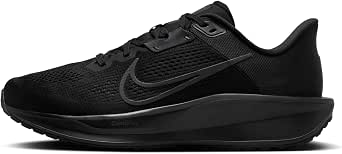 | Best Road-Running Pick | Brand: Nike | Model: Quest 6 | Product type: Road running shoes | VIEW ON AMAZON | See Our Full Breakdown |
| Nike Men’s Revolution 8 Easy On Road Running Shoes |  | Best for Easy On-and-Off Road Runs | Brand: Nike | Model: Revolution 8 Easy On | Product type: Road running shoes | VIEW ON AMAZON | See Our Full Breakdown |
| New Balance Men’s Fresh Foam Arishi V4 Running Shoe |  | Best Lightweight Road-Training Pick | Upper: Breathable mesh with no-sew construction | Midsole: Fresh Foam cushioning | Heel-to-toe drop: 6 mm | VIEW ON AMAZON | See Our Full Breakdown |
| Nike Men’s Air Max Alpha Trainer 6 Workout Shoes |  | Best for Gym-Based Training | Product type: Men’s workout shoes | Brand: Nike | Model: Air Max Alpha Trainer 6 | VIEW ON AMAZON | See Our Full Breakdown |
| ASICS Men’s Gel-Venture 11 Trail Running Shoes |  | Best for Mixed Trail Routes | Upper: Mesh | Rearfoot cushioning: GEL technology for shock attenuation | Midsole: AMPLIFOAM PLUS | VIEW ON AMAZON | See Our Full Breakdown |
| Under Armour Men’s Charged Assert 9 Running Shoe |  | Best for Ventilated Daily Miles | Upper: Breathable mesh | Support: Strategic midfoot overlays | Lining: Smooth liner | VIEW ON AMAZON | See Our Full Breakdown |
| durable training shoes for runner | Upper | Origin | Midsole | Outsole |
|---|---|---|---|---|
| Nike Men’s Run Defy Road Runni | — | — | — | — |
| Reebok Mens Swiftstrike | Engineered mesh with leather and synthetic overlays | — | Compression-molded EVA | Rubber covering high-impact areas |
| Under Armour Men’s Charged+ As | Athletic mesh with leather overlays | Imported | Charged+ cushioning | Durable rubber with flex grooves |
| Under Armour Men’s Charged Ass | Breathable mesh with synthetic overlays | Made in the USA or imported | Compression-molded Charged Cushioning | Solid rubber covering high-impact zones |
| ASICS Men’s Gel-Excite 11 Runn | Engineered mesh | Imported | AMPLIFOAM PLUS | — |
| PUMA Men’s Tazon 6 FM Shoes | — | Imported | — | High-performance rubber |
| Under Armour Men’s Charged Edg | — | Made in the USA or imported | — | — |
| Under Armour Men’s TriBase Rei | UA WARP upper | Made in the USA or imported | Dual-density, softer in the forefoot and firmer in the heel | — |
| Nike Men’s Quest 6 Road Runnin | — | — | — | — |
| Nike Men’s Revolution 8 Easy O | — | — | — | — |
| New Balance Men’s Fresh Foam A | Breathable mesh with no-sew construction | Imported | Fresh Foam cushioning | Rubber |
| Nike Men’s Air Max Alpha Train | — | — | — | — |
| ASICS Men’s Gel-Venture 11 Tra | Mesh | Imported | AMPLIFOAM PLUS | Molded rubber |
| Under Armour Men’s Charged Ass | Breathable mesh | — | — | Rubber in high-wear zones |
More Details on Our Top Picks
Nike Men’s Run Defy Road Running Shoes
The Nike Men’s Run Defy earns a place for runners who want a simple road shoe for regular training, without a long list of specialized features. The supplied product information does not include construction or cushioning details, so I would not rank it above models with clearly documented durability features, such as the Under Armour Charged Assert 10 and its rubber coverage in high-impact zones. That makes this a more cautious pick: its road-running focus is clear, but the evidence here does not establish how its materials will hold up to heavy mileage. Compared with the ASICS Gel-Excite 11, which lists specific cushioning and sockliner technologies, the Run Defy is harder to match to a particular comfort preference. It makes the most sense for buyers who prioritize a familiar road-running option and can confirm fit and construction before choosing.
Pros:- Positioned for road running
- Nike model option within a lineup that includes several non-Nike daily trainers
- Could suit buyers seeking a straightforward training shoe
Cons:- Provided product data does not specify the upper, midsole, or outsole construction
- Durability claims cannot be compared confidently with models listing rubber coverage and reinforcement details
Best for: Road runners seeking a basic daily training shoe who can verify the fit and construction details before buying.
Not ideal for: High-mileage runners who need documented outsole coverage, cushioning details, or material specifications to judge long-term wear.
- Intended use:Road running
- Target wearer:Men
Our verdict“Choose the Run Defy only if you want a basic road-running option and can confirm its build and fit, since the supplied details offer less durability evidence than the Assert 10 or Gel-Excite 11.”
Reebok Mens Swiftstrike
The Reebok Swiftstrike stands out for its unusually useful range of medium, wide, and extra-wide widths, making it the clearest fit-focused choice in this group. Its compression-molded EVA midsole is aimed at comfortable, responsive strides, while a rubber outsole on high-impact areas adds traction without covering the whole shoe. That targeted approach sounds lighter than the more explicitly durability-focused solid rubber coverage of the Under Armour Charged Assert 10, though it may leave less protection across the outsole over sustained, high-mileage use. Mesh helps with airflow, and leather and synthetic overlays add structure around the midfoot. Compared with the ASICS Gel-Excite 11, Swiftstrike offers more width choices but fewer specified cushioning technologies. Its broad everyday remit suits easy runs and gym sessions better than runners seeking a specialized long-distance shoe.
Pros:- Available in medium, wide, and extra-wide widths
- Compression-molded EVA midsole provides responsive cushioning
- Mesh upper supports airflow
- Rubber outsole targets high-impact areas to limit added weight
Cons:- Rubber coverage is described as targeted rather than full outsole coverage
- Everyday and light-training focus may not suit runners seeking a dedicated high-mileage shoe
- No weight or offset is provided in the supplied product data
Best for: Runners who need a medium, wide, or extra-wide fit and want one shoe for easy road runs, treadmill sessions, and daily wear.
Not ideal for: High-mileage runners who want full-coverage outsole reinforcement or detailed cushioning specifications for choosing a long-distance trainer.
- Upper:Engineered mesh with leather and synthetic overlays
- Midsole:Compression-molded EVA
- Outsole:Rubber covering high-impact areas
- Sockliner:Open-cell sockliner
- Available widths:Medium, wide, and extra wide
- Available sizes:Men’s sizes 7–16
- Closure:Lace-up
- Water resistance:Not water resistant
Our verdict“Pick the Swiftstrike if width options and versatile daily comfort matter more than full-length outsole protection or specialized long-run cushioning.”
Under Armour Men’s Charged+ Assert 11 Running Shoes
The Charged+ Assert 11 is the strongest fit here for neutral runners who want a mix of cushioning, flexibility, and midfoot structure. Its Charged+ midsole is described as soft and suited to all-day comfort, while leather overlays support the midfoot and the rubber outsole uses flex grooves to help the foot move through toe-off. That combination makes it more clearly geared to running than the more general-purpose Reebok Swiftstrike, whose description also emphasizes daily wear. The Assert 11 lists a weight of 10.2 ounces and includes at least 30% recycled content in the upper. It does not, however, specify an offset or outsole coverage pattern, so the Charged Assert 10 gives buyers more detail about where its rubber is placed. Choose this newer Assert option for its stated neutral ride, not on an assumption of proven longer wear.
Pros:- Charged+ cushioning is described as soft and comfortable
- Leather overlays add midfoot support
- Flex grooves support a more flexible toe-off
- Upper contains at least 30% recycled content
Cons:- No outsole coverage pattern or offset is specified
- The 10.2-ounce listed weight may not appeal to runners seeking a particularly light trainer
Best for: Neutral runners looking for a cushioned daily trainer with midfoot support and a flexible toe-off.
Not ideal for: Runners who need a stated heel-to-toe offset or clear details about outsole coverage before choosing a durable shoe.
- Runner type:Neutral
- Upper:Athletic mesh with leather overlays
- Midsole:Charged+ cushioning
- Outsole:Durable rubber with flex grooves
- Weight:10.2 oz
- Upper recycled content:At least 30%
- Lacing:Standard tie
- Origin:Imported
Our verdict“Choose the Charged+ Assert 11 for a neutral, cushioned daily run with midfoot structure, but choose the Assert 10 if clearly described high-impact outsole coverage is your priority.”
Under Armour Men’s Charged Assert 10 Shoes
For buyers judging durability by where the rubber is placed, the Charged Assert 10 has the clearest case in this batch: its solid rubber outsole covers high-impact zones to add wear protection while limiting extra weight. A compression-molded Charged Cushioning midsole is designed to balance responsiveness with durability, and synthetic overlays reinforce the breathable mesh upper. Compared with the Charged+ Assert 11, the Assert 10 gives more explicit information about outsole coverage, while the newer sibling specifies flex grooves and a neutral fit. The Assert 10 also lists a 10mm offset, helpful for buyers comparing heel-to-toe geometry. Its details are practical rather than specialized: no weight or runner type is given, and the product data includes a California chemical exposure warning. It suits everyday training better than runners seeking a highly specified premium ride.
Pros:- Solid rubber outsole covers high-impact zones
- Compression-molded midsole is described as responsive and durable
- Synthetic overlays add support and reinforcement
- A 10mm offset is specified
Cons:- No shoe weight or runner-type guidance is provided
- Rubber is described as covering high-impact zones, not the entire outsole
- Product information includes a California chemical exposure warning
Best for: Everyday road runners who value reinforced high-wear outsole zones and want a stated 10mm offset.
Not ideal for: Runners looking for a lightweight performance shoe or who want a documented weight and specific guidance on runner type.
- Upper:Breathable mesh with synthetic overlays
- Sockliner:EVA
- Midsole:Compression-molded Charged Cushioning
- Outsole:Solid rubber covering high-impact zones
- Offset:10 mm
- Sole material:Rubber
- Outer material:Mesh
- Origin:Made in the USA or imported
Our verdict“Choose the Assert 10 if reinforced high-impact outsole areas and a known 10mm offset matter more than a stated weight or specialized ride description.”
ASICS Men’s Gel-Excite 11 Running Shoes
The ASICS Gel-Excite 11 puts comfort technology ahead of clearly documented outsole reinforcement, making it the soft-ride choice rather than the most evidence-backed pick for hard-wearing mileage. Its PureGEL cushioning is described as about 65% softer than standard GEL, paired with AMPLIFOAM PLUS for a more comfortable ride than standard AMPLIFOAM. An OrthoLite X-30 sockliner adds cushioning and moisture management, while reflective details can help with visibility in low light. Compared with the Under Armour Charged Assert 10, which specifies rubber coverage in high-impact zones, the Gel-Excite 11 provides more detail about underfoot comfort but less about outsole wear protection. Its engineered mesh upper is designed to reduce the need for extra overlays, which supports a lighter, breathable feel but gives less stated reinforcement. This is a better match for comfort-minded daily runners than buyers focused chiefly on abrasion resistance.
Pros:- PureGEL is described as about 65% softer than standard GEL
- AMPLIFOAM PLUS is designed for a softer, more comfortable ride
- OrthoLite X-30 sockliner supports cushioning and moisture management
- Reflective details can improve visibility
Cons:- Product details do not specify outsole coverage or targeted wear reinforcement
- The upper is designed to reduce overlays, so reinforcement details are limited
- No weight or offset is listed in the supplied data
Best for: Daily road runners who prioritize a softer-feeling ride, breathable construction, and a cushioned sockliner.
Not ideal for: Runners whose main concern is documented outsole reinforcement for high-mileage or abrasive routes.
- Upper:Engineered mesh
- Cushioning technology:PureGEL
- Midsole:AMPLIFOAM PLUS
- Sockliner:OrthoLite X-30
- Outsole material:Rubber
- Visibility details:Reflective details
- Outer material:Polyester
- Origin:Imported
Our verdict“Choose the Gel-Excite 11 for a softer, comfort-led daily run, but favor the Charged Assert 10 if documented high-impact outsole protection is your main durability test.”
PUMA Men’s Tazon 6 FM Shoes
The Tazon 6 FM is the most balanced gym-and-everyday option in this group, with a midfoot saddle for a held-in feel and an EVA heel pod to soften impact. Its rubber outsole and TPU shank add grip and structure for general workouts, while the SoftFoam+ sockliner makes walking and extended wear a clearer priority than the low-to-the-ground feel of the Under Armour TriBase Reign 6. That distinction matters: the PUMA is the more versatile pick for mixed gym sessions and errands, but it is not as specifically built for heavy lifting or explosive training. The listed materials and support features suggest a structured shoe, though no durability testing or outsole-lifespan details are provided. I would choose it for varied, moderate training, not as a dedicated high-mileage road-running shoe.
Pros:- Midfoot saddle is designed to provide a secure, locked-in fit during workouts
- SoftFoam+ sockliner and cushioned heel support comfortable walking and daily wear
- EVA heel pod is intended to absorb impact
- Rubber outsole and TPU shank provide traction and added structure
Cons:- The listed features emphasize gym and all-day use more than sustained road running
- Structured support and heel cushioning may feel less ground-connected than the TriBase Reign 6
- The product details do not provide fit guidance or evidence of outsole lifespan
Best for: Runners who also do moderate gym workouts and want a structured shoe with cushioning for walking and everyday wear
Not ideal for: Runners seeking a dedicated road shoe for frequent long-distance mileage, or lifters who want the low-to-the-ground platform of the Under Armour TriBase Reign 6
- Upper materials:Synthetic and leather
- Sole material:Rubber
- Cushioning:SoftFoam+ sockliner with extra-thick cushioned heel
- Heel cushioning:Integrated EVA heel pod
- Support:Midfoot saddle and built-in TPU shank
- Outsole:High-performance rubber
- Shoe height:Low-top
- Origin:Imported
Our verdict“Choose the Tazon 6 FM for a structured, cushioned shoe that can handle moderate workouts and daily walking, rather than dedicated high-mileage running.”
Under Armour Men’s Charged Edge Shoes
The Charged Edge has a sparse product description, so I would rank it as a straightforward gym option rather than infer running durability the listing does not establish. Its stated mesh inner material, lace-up closure, and rubber sole point to a basic, familiar setup for training and everyday movement. That makes it less specialized than the Under Armour TriBase Reign 6, whose three-point ground contact, reinforced toe grip, and dual-density midsole are explicitly aimed at lifting and explosive workouts. The Edge may suit buyers who want a simpler shoe without those described performance features, but the available details do not specify cushioning technology, upper construction, or outsole design. I would not select it for demanding run mileage or technical workouts without more information about fit and support.
Pros:- Mesh inner material is specified in the product details
- Lace-up closure allows conventional adjustment
- Rubber sole is specified
- Simple design may suit general training better than a specialized lifting shoe
Cons:- The listing provides no specific cushioning or impact-absorption details
- Upper construction and outsole pattern are not described
- Available product information does not establish suitability for sustained running or heavy training
Best for: Gym-goers who want a basic lace-up shoe with a mesh lining and rubber sole for general, lower-intensity sessions
Not ideal for: Runners who need documented cushioning and support details, or lifters seeking the explicit stability features of the Under Armour TriBase Reign 6
- Inner material:Mesh
- Sole material:Rubber
- Closure:Lace-up
- Origin:Made in the USA or imported
- Cushioning details:Not specified in the supplied product description
- Upper material:Not specified in the supplied product description
Our verdict“Pick the Charged Edge for uncomplicated gym use, but choose a better-documented running or training model when support and mileage are priorities.”
Under Armour Men’s TriBase Reign 6 Trainer Shoes
The TriBase Reign 6 is the clearest choice here for lifting and fast changes of direction, not for accumulating road miles. Its low-to-the-ground build and three points of ground contact are designed to help maintain a stable connection to the floor, while the dual-density midsole combines a softer forefoot with a firmer heel. That setup is more workout-specific than the cushioned, all-day focus of the PUMA Tazon 6 FM. UA WARP upper support and rubber beneath the toe box add structure and grip for forceful movements. The tradeoff is purposeful: less stack and a training-focused platform offer less emphasis on plush running comfort. I would choose it for gym sessions that include lifting, jumps, and quick movement, but not as my main shoe for regular road-running volume.
Pros:- Three points of ground contact are designed to support stability during training
- Low-to-the-ground construction supports floor feel and power transfer
- Dual-density midsole balances a softer forefoot with a firmer heel
- Rubber under the toe box is intended to improve grip during forceful movements
Cons:- Training-focused low stack is less suited to runners seeking plush long-distance cushioning
- The specified purpose is lifting and explosive workouts rather than road-running durability
- The product details provide no outsole-lifespan or fit-width information
Best for: Lifters and cross-training athletes who want a stable, close-to-ground platform for strength work, jumps, and lateral movement
Not ideal for: Road runners prioritizing soft cushioning and comfort over longer distances, or buyers seeking a versatile walking-first shoe like the PUMA Tazon 6 FM
- Upper:UA WARP upper
- Outer material:Leather
- Inner material:Synthetic
- Sole material:Rubber
- Midsole:Dual-density, softer in the forefoot and firmer in the heel
- Platform:Low to the ground
- Grip feature:Strategic rubber under the toe box
- Lacing:Standard tie laces
- Origin:Made in the USA or imported
Our verdict“Choose the TriBase Reign 6 for stable, low-to-the-ground gym training, not as a cushioned daily road-running shoe.”
Nike Men’s Quest 6 Road Running Shoes
The Quest 6 is the most directly relevant choice for runners in this batch because its product name identifies it as a road-running shoe, unlike the gym-oriented TriBase Reign 6 or the Tazon 6 FM. That makes it the natural starting point for buyers who want a shoe for paved routes, but the supplied product information contains no construction, cushioning, outsole, or fit details. I cannot responsibly claim that it has a particular foam, reinforced wear zone, or advantage in long-term durability. Compared with the Nike Revolution 8 Easy On, whose name highlights easier entry, the Quest 6 has no stated convenience feature to weigh against running-specific intent. I would shortlist it for road runners, then verify the exact version’s materials and fit before choosing it as a durable daily trainer.
Pros:- Identified specifically as a road-running shoe
- Offers a road-focused alternative to the gym-built Under Armour TriBase Reign 6
- Nike model name makes it straightforward to distinguish from the Nike Revolution 8 Easy On
Cons:- The supplied product data contains no material or construction specifications
- Cushioning and outsole details are unavailable for judging durability
- Fit, support, and intended mileage cannot be established from the provided description
Best for: Runners shopping specifically for a Nike road-running shoe who can verify the fit and construction details for their version
Not ideal for: Buyers who need confirmed cushioning, outsole durability, or fit specifications before selecting a shoe for regular high-mileage training
- Brand:Nike
- Model:Quest 6
- Product type:Road running shoes
- Intended activity:Road running
- Gender listing:Men’s
- Upper materials:Not specified in the supplied product data
- Midsole and cushioning:Not specified in the supplied product data
- Outsole material:Not specified in the supplied product data
Our verdict“Consider the Quest 6 as a road-running candidate, but confirm its construction and fit before relying on it for durable daily mileage.”
Nike Men’s Revolution 8 Easy On Road Running Shoes
The Revolution 8 Easy On stands out through its easy-on design, giving convenience a more visible role than it has in the Nike Quest 6’s road-running name. That could suit runners who value quick entry for short everyday outings, but the supplied details do not explain how the entry system works or what materials support it. The product is identified as a road-running shoe; beyond that, cushioning, outsole construction, and fit information are absent, so I cannot rank its wear life against better-documented options such as the PUMA Tazon 6 FM. The PUMA at least lists a rubber outsole and structured support, while the Revolution’s supplied listing leaves those points unanswered. I would choose this for the convenience cue only after checking the specific version’s construction, rather than assuming easy access means durable training performance.
Pros:- Identified as a road-running shoe
- Easy On designation makes convenient entry its distinguishing feature
- Provides a road-focused alternative to the gym-first PUMA Tazon 6 FM
Cons:- The supplied description does not explain the easy-on mechanism
- No midsole, outsole, or upper materials are provided to judge durability
- Fit and support details are unavailable for comparison with the Nike Quest 6
Best for: Road runners who prioritize easier shoe entry for routine, shorter outings and can confirm the fit and build details before purchase
Not ideal for: Runners choosing primarily on verified outsole durability, cushioning, or support, since those details are absent from the supplied product information
- Brand:Nike
- Model:Revolution 8 Easy On
- Product type:Road running shoes
- Intended activity:Road running
- Entry feature:Easy On designation; mechanism not specified
- Gender listing:Men’s
- Upper materials:Not specified in the supplied product data
- Midsole and cushioning:Not specified in the supplied product data
- Outsole material:Not specified in the supplied product data
Our verdict“Choose the Revolution 8 Easy On if easier entry is your priority, but verify its build before relying on it for frequent training.”
New Balance Men’s Fresh Foam Arishi V4 Running Shoe
The Arishi V4 is the most straightforward choice here for runners who want a light shoe for regular road miles and daily wear. Its Fresh Foam midsole softens impact without making a heavy, bulky feel the focus, while the mesh upper and no-sew construction favor ventilation and reduced rubbing. Compared with the more trail-oriented ASICS Gel-Venture 11, this New Balance is better suited to pavement and treadmill sessions, not rougher paths. The rubber outsole provides dependable everyday traction, but the description does not suggest the extensive coverage or rugged lugs that would make it a standout for abrasive routes. A stated 6mm drop also sets it apart from shoes whose drop is unspecified here. Choose it for versatile, moderate training; skip it if you need specialized trail grip or a highly supportive build.
Pros:- Fresh Foam cushioning absorbs impact while keeping the ride lightweight.
- Breathable mesh upper helps ventilation during runs and daily wear.
- No-sew construction is designed to reduce irritation points.
- Rubber outsole is suited to traction on roads, sidewalks, and gym floors.
Cons:- The listed outsole description does not indicate aggressive lugs for trail use.
- The product details provide limited information about upper reinforcement and long-term wear zones.
- A 6mm drop may not suit runners who prefer a more traditional higher-drop feel.
Best for: Road runners who want a lightweight shoe for easy training miles, treadmill runs, and everyday errands.
Not ideal for: Runners who regularly tackle muddy or rocky trails, or who need clearly specified stability features for demanding training.
- Upper:Breathable mesh with no-sew construction
- Midsole:Fresh Foam cushioning
- Heel-to-toe drop:6 mm
- Outsole:Rubber
- Closure:Lace-up
- Intended use:Road running, daily training, treadmill use, and casual wear
- Origin:Imported
Our verdict“Choose the Arishi V4 for light, versatile road training, but look to the ASICS Gel-Venture 11 if your routes regularly leave the pavement.”
Nike Men’s Air Max Alpha Trainer 6 Workout Shoes
The Air Max Alpha Trainer 6 earns a place for buyers whose routine mixes strength work with short conditioning sessions, rather than runners chasing a road-mile shoe. Its workout-focused design gives it a distinct role beside the New Balance Fresh Foam Arishi V4, which is described specifically for road running and treadmill use. For repeated running mileage, the Arishi has clearer cushioning and outsole details; the Alpha Trainer’s supplied product information does not specify its materials, cushioning setup, or traction pattern. That makes it harder to judge long-term wear or running comfort from the available details. I would treat this as a gym-first option, not a proven durable running shoe: its title identifies it as a workout shoe, but there is not enough product data here to support stronger claims about impact protection or outsole longevity.
Pros:- Workout-shoe positioning suits gym sessions better than a road-running-only option.
- Can serve buyers who combine strength training with short bouts of cardio.
- Provides an alternative category choice to the running-focused Arishi V4 and Gel-Venture 11.
Cons:- The supplied product data does not specify upper or outsole materials.
- Cushioning and impact protection details are not provided for evaluating running comfort.
- Limited construction information makes durability difficult to compare with the other shoes.
Best for: Runners who spend most of their training time in the gym and want a workout shoe for lifting and brief conditioning bouts.
Not ideal for: Road runners building regular weekly mileage who need documented cushioning, upper construction, and outsole details.
- Product type:Men’s workout shoes
- Brand:Nike
- Model:Air Max Alpha Trainer 6
- Intended use:Workout training
- Upper material:Not specified in supplied product data
- Outsole material:Not specified in supplied product data
Our verdict“Pick the Air Max Alpha Trainer 6 for gym-led workouts, but choose the Arishi V4 or another clearly specified running shoe for regular road miles.”
ASICS Men’s Gel-Venture 11 Trail Running Shoes
For runners whose routes include dirt and uneven ground, the Gel-Venture 11 is the clearest surface-specific pick in this group. Its molded rubber outsole and trail-running designation make it a more natural fit off-road than the New Balance Fresh Foam Arishi V4, which is framed around roads, sidewalks, and gym floors. Underfoot, rearfoot GEL is intended to soften landing impact, while AMPLIFOAM PLUS adds cushioning; the OrthoLite Hybrid Max Lite sockliner targets moisture management and breathability. Those layers offer a more trail-oriented comfort package, though the supplied details do not state lug depth or outsole coverage, so I would not assume it handles technical or muddy terrain. Compared with the road-focused Arishi, this ASICS trades broad everyday versatility for a better match to trail use.
Pros:- Trail-running design gives it a clearer off-road role than the road-focused Arishi V4.
- Rearfoot GEL is intended to attenuate shock at landing.
- AMPLIFOAM PLUS provides a softer cushioning layer.
- OrthoLite Hybrid Max Lite sockliner is designed for moisture management and breathability.
Cons:- The supplied details do not specify lug depth or traction performance on mud and technical terrain.
- Its trail-focused design is less directly suited to road-only training than the Arishi V4.
- No stated drop or durability testing details are available for comparison.
Best for: Road-to-trail runners who want cushioning and a rubber outsole for regular runs on dirt paths and mixed surfaces.
Not ideal for: Runners who mainly train on smooth roads and want a lightweight, road-first shoe, or those needing documented grip for technical trails.
- Upper:Mesh
- Rearfoot cushioning:GEL technology for shock attenuation
- Midsole:AMPLIFOAM PLUS
- Sockliner:OrthoLite Hybrid Max Lite
- Outsole:Molded rubber
- Closure:Lace-up
- Intended use:Trail running
- Origin:Imported
Our verdict“Choose the Gel-Venture 11 for cushioned runs on mixed dirt and trail routes, while road-first runners are better matched to the Arishi V4.”
Under Armour Men’s Charged Assert 9 Running Shoe
The Charged Assert 9 is aimed at runners who value airflow and a secure-feeling upper for routine road, track, and gym sessions. Breathable mesh and strategic midfoot overlays pair ventilation with structure, while the product description says its foam is designed to provide rebound and absorb impact. Compared with the New Balance Fresh Foam Arishi V4, the Assert 9 puts more emphasis on midfoot control and high-wear rubber zones; the Arishi gives a clearer cushioning specification and a stated 6mm drop. The Assert’s rubber placement is described as durable and flexible, but its exact coverage and foam construction are not provided, so runners seeking measurable build details have less to go on. It makes sense for everyday training, though buyers should not treat its performance language as proof of exceptional lifespan.
Pros:- Ventilated mesh upper is suited to longer training sessions.
- Strategic overlays add midfoot structure compared with the more minimal Arishi V4 description.
- Impact-absorbing foam is intended to provide rebound during extended runs.
- High-wear rubber zones target traction while keeping the outsole flexible.
Cons:- The product details do not state the heel-to-toe drop or specific foam formulation.
- High-wear rubber zones are described without exact coverage or outsole construction details.
- The road-and-gym focus does not establish suitability for rough trails.
Best for: Runners seeking a breathable daily shoe for road, track, and gym training who prefer added structure through the midfoot.
Not ideal for: Runners who need a clearly stated heel-to-toe drop, detailed foam specifications, or trail-specific outsole grip.
- Upper:Breathable mesh
- Support:Strategic midfoot overlays
- Lining:Smooth liner
- Cushioning:Impact-absorbing foam with claimed rebound
- Outsole:Rubber in high-wear zones
- Intended surfaces:Roads, tracks, and gym surfaces
- Outer material:Mesh
- Sole material:Rubber
Our verdict“Choose the Charged Assert 9 if you want ventilation and midfoot structure for everyday training, but favor the Arishi V4 for a shoe with a stated drop and named cushioning system.”

How We Picked
I ranked the shoes by how well their design supports the specific demands of running training: repeated forward strides, dependable fit, appropriate traction, and construction suited to regular use. I also separated road-running models from trail shoes and gym trainers rather than treating every athletic shoe as equally suitable for miles on pavement. A shoe can be durable in its intended setting yet still be the wrong choice for a runner whose workouts involve a different surface or movement pattern.
The top positions go to options with a clear running purpose and broad usefulness for routine training. Specialized models rank higher for the readers who need their particular strength, such as trail grip or gym stability, but lower as one-shoe choices for road runners. I also considered ease of use and versatility, while avoiding unsupported claims about lifespan: actual wear depends on mileage, gait, surfaces, and care.
| durable training shoes for runner | Midsole | Origin |
|---|---|---|
| Nike Men’s Run Defy Road Runni | — | — |
| Reebok Mens Swiftstrike | Compression-molded EVA | — |
| Under Armour Men’s Charged+ As | Charged+ cushioning | Imported |
| Under Armour Men’s Charged Ass | Compression-molded Charged Cushioning | Made in the USA or imported |
| ASICS Men’s Gel-Excite 11 Runn | AMPLIFOAM PLUS | Imported |
| PUMA Men’s Tazon 6 FM Shoes | — | Imported |
| Under Armour Men’s Charged Edg | — | Made in the USA or imported |
| Under Armour Men’s TriBase Rei | Dual-density, softer in the forefoot and firmer in the heel | Made in the USA or imported |
| Nike Men’s Quest 6 Road Runnin | — | — |
| Nike Men’s Revolution 8 Easy O | — | — |
| New Balance Men’s Fresh Foam A | Fresh Foam cushioning | Imported |
| Nike Men’s Air Max Alpha Train | — | — |
| ASICS Men’s Gel-Venture 11 Tra | AMPLIFOAM PLUS | Imported |
| Under Armour Men’s Charged Ass | — | — |
Factors to Consider When Choosing Durable Training Shoes For Runners
Choosing a long-wearing shoe starts with matching it to the miles and workouts you actually do. A sturdy outsole alone does not make a shoe a good running choice; fit, surface, movement, and replacement needs all shape how well it serves over time.
Match the shoe to your main surface
Road shoes are designed around repeated contact with relatively even pavement, while trail shoes need traction that can handle loose or irregular ground. A trail outsole may feel awkward or wear differently if nearly all your training happens on sidewalks. The reverse can also be true: road-focused tread may not provide the purchase you want on wet dirt or gravel. If your routes vary, decide which surface accounts for most of your mileage and choose for that first. For occasional off-road sections, route choice and pace may matter more than buying a specialist shoe. Avoid choosing by appearance alone, since tread patterns are functional rather than decorative.
Separate running from gym training
Running and strength workouts ask different things of a shoe. A running-focused design generally favors forward motion, while a gym trainer may give more attention to a stable base for lifting and side-to-side work. Using a soft or tall-feeling running shoe for heavy lifts can feel less planted; using a firmer gym shoe for longer runs may feel less comfortable over repeated strides. If you regularly do both, count how many sessions of each type you complete before deciding whether one versatile pair is enough. Runners who lift casually may accept a compromise, but frequent strength training can justify a separate pair. That split can also keep each shoe focused on the work it handles best.
Prioritize fit over a durability promise
A shoe that rubs, slips at the heel, or squeezes the forefoot is unlikely to become a dependable training partner just because its materials look robust. Try shoes later in the day or after activity, when feet may be slightly larger, and leave room for natural toe movement. Check that the heel feels secure without needing to overtighten the laces. Do not assume that two models from the same brand will fit alike, or that a familiar size guarantees the same feel across brands. A good fit can reduce distracting movement and friction, but it cannot correct a shoe that does not suit your foot shape. When choosing online, review the retailer’s return terms before relying on a single size guess.
Think about use frequency, not just build
How often you run and where you train affect wear as much as the shoe’s visible construction. A daily runner who covers many miles may value a dedicated running pair more than someone who runs occasionally and also uses the shoe for errands. Rotating between pairs can give each shoe time out of use and lets you keep a backup available, though it is not a requirement for every runner. Watch for changes in comfort, traction, or stability rather than waiting for the upper to look damaged. Uneven wear can also reflect stride habits or route surfaces, so inspect both shoes periodically. Avoid treating any promised lifespan as universal; mileage, body mechanics, and care vary widely.
Pay for the feature you will use
A higher-spec or more specialized shoe is worthwhile only when its design answers a real need. Trail grip offers little benefit to a runner who stays on smooth roads, and easy-entry construction may matter more to someone who values quick, simple wear than to a runner seeking a precise race fit. Likewise, extra workout support is useful when sessions include lateral movement or lifting, not necessarily for steady road miles. First identify the problem you want the shoe to solve, then compare candidates on that point. A straightforward daily trainer can be the better choice if it fits well and matches your routine. Avoid paying for features that add weight or specialization without improving your own training.
Plan for changing needs and replacement
Training shoes can feel different as their cushioning, tread, and fit change with use, so a visual check is only part of the decision. Note how a pair feels at the start, then watch for persistent discomfort or a less secure ride as mileage builds. A sudden change in running volume, a new route, or adding gym work can also make a previously suitable shoe less appropriate. Keep track of when you begin using a pair if you tend to lose count of its training history. Replace based on changing performance and comfort rather than an exact calendar date. This approach avoids both discarding a serviceable shoe too soon and continuing in one that no longer feels dependable.
Frequently Asked Questions
Can I use the same shoes for road running and strength training?
Yes, if your strength work is light and your runs make up most of your training, one road-focused pair may be a practical compromise. Heavy lifting and workouts with frequent lateral movement place different demands on a shoe than steady running. A dedicated gym trainer can feel more planted during those sessions, while a running shoe is generally better suited to repeated forward strides. Think about which activity you do more often and whether the other one feels unstable or uncomfortable in your current pair. If both are regular priorities, separate shoes may serve each purpose better.
Should I choose a trail shoe if my running route includes occasional gravel?
Not automatically. Occasional compact gravel may be manageable in a road shoe, depending on the route and conditions, while loose, muddy, or uneven trails call for more suitable traction. A trail shoe can feel less natural on pavement, especially if most of your weekly distance is on roads. Consider the surface that accounts for most of your runs, along with how slippery or technical the off-road sections become. If you regularly switch between surfaces, a specialist trail pair may be useful; for brief, mild gravel stretches, a road shoe may be the simpler choice.
Are the Under Armour Charged Assert models interchangeable?
No: the Assert 9, Assert 10, and Charged+ Assert 11 are related options, but a shared name does not guarantee identical fit or feel. Differences between versions may affect which one suits your foot and training routine, so compare the individual product details rather than selecting by model number alone. Try them on if possible, paying attention to toe room, heel hold, and how they feel during a short walk or jog. This roundup treats the family as straightforward everyday running options, not as substitutes for trail or gym-specific shoes. Choose the version that fits best and matches your main surface.
Is an easy-on running shoe a good choice for regular training?
It can be, particularly if quick entry is a meaningful convenience or bending and tying laces is difficult. Convenience should not outweigh a secure fit: the shoe still needs to hold the heel and midfoot comfortably while you run. Check that the entry design does not make the shoe feel loose or limit your ability to adjust fit. For runners who want the most adjustable lockdown, a conventional lacing setup may be a better match. Treat easy-on construction as a useful feature, not proof that the shoe will suit every foot or workout.
How can I tell when a training shoe is worn out?
Look for a combination of signs rather than relying on a fixed mileage figure. Persistent changes in comfort, reduced traction, a loose or unstable feel, and visibly uneven outsole wear can all signal that a shoe no longer serves you well. Compare how the pair feels with your memory of its early runs, especially if discomfort has appeared gradually. Also check whether your training has changed: more miles or rougher routes can alter what you need from a shoe. If pain persists or worsens, do not assume a replacement alone will solve it; consider advice from a qualified professional.
Conclusion
For most runners focused on everyday road miles, I’d choose the ASICS Gel-Excite 11 as the best overall because it has the clearest all-around running role in this lineup. For a value-minded daily option, compare the Under Armour Charged Assert models and the Nike Run Defy by fit and intended use rather than assuming their names tell the whole story. The ASICS Gel-Venture 11 is the best fit for runners whose routes regularly leave pavement, while the TriBase Reign 6 and Air Max Alpha Trainer 6 better address gym-focused needs. Beginners should start with the Gel-Excite 11 or another comfortable road-running model that fits securely; runners who prize easy entry can look at the Revolution 8 Easy On. I would reserve the premium choice for the model whose specialized design solves a real training need, since this group does not establish one universal premium winner. Match the shoe to your main surface, make fit the deciding test, and choose a specialist only when its advantage will matter often.
Halloween Picks

10-Foot Halloween Inflatable Double-Headed Dragon Archway

JOYIN 5-Foot Halloween Animatronic Drinking Skeleton

DomKom 6 ft Halloween Inflatable Ghosts Roasting Marshmallows
As an affiliate, we earn on qualifying purchases.