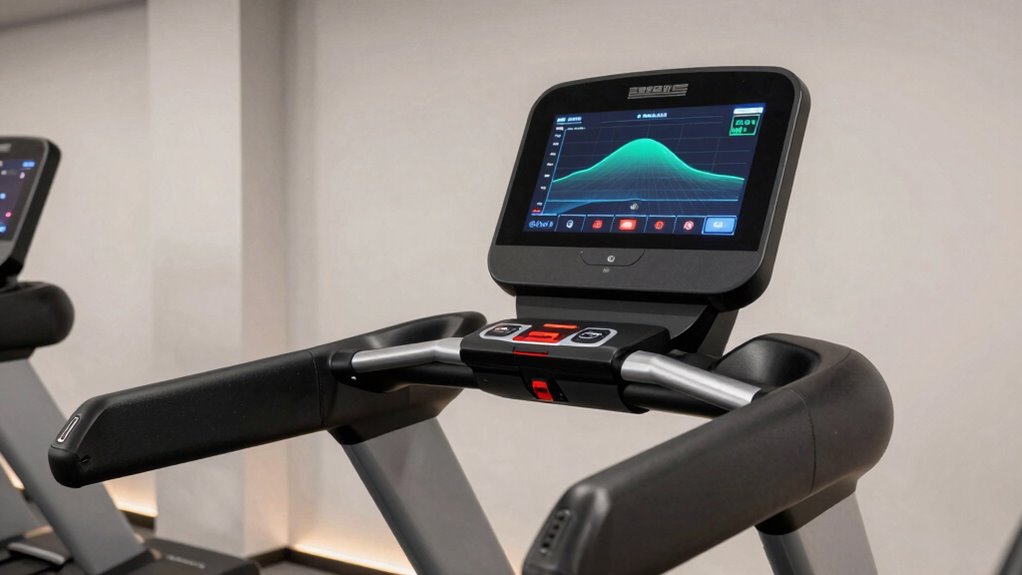

For a treadmill for hill simulation, I’d start with the Cursor 40% Incline Treadmill for its unusually steep climbing range, while the LONTEK 18% Incline Treadmill offers a more conventional incline-focused home setup. If you want a compact machine for walking rather than faster training, the LONTEK 15% Incline Walking Pad is another strong option. The main tradeoff is between steepness and workout versatility: compact walking pads save space, while larger treadmills are generally better suited to sustained, faster sessions. Keep reading for my full breakdown of all 11 options and guidance on matching incline, deck, and footprint to your routine.

Get workout gear delivered free with Prime
- Fast, free delivery on millions of items
- Prime Video, Amazon Music and more included
- Member-only deals all year
Complete the kit


Key Takeaways
- The steepest listed incline claims belong to the Cursor and LONTEK 40% models. They suit buyers prioritizing a pronounced uphill walking challenge, but steepness alone does not tell you whether the deck and workout controls fit your needs.
- The LONTEK 18% model stands out as the balanced incline-first choice. Its listed incline is less extreme than 40%, which may make it a more practical starting point for varied home workouts.
- Compact walking pads trade workout range for a smaller footprint. Several models list speeds up to 6.2 MPH, so check whether that ceiling suits your intended walking pace before expecting a running treadmill.
- Handlebars and capacity claims differ across the walking-pad options. The model listing 350-pound capacity may suit buyers who prioritize that stated limit, while handlebar design and adjustment can affect comfort and confidence.
- NordicTrack T Series models represent a different kind of choice. They are a conventional treadmill family rather than a simple walking-pad format, making them worth comparing for broader treadmill use, while model-specific incline details need checking.
| LONTEK 18% Incline Treadmill for Home with 3 LED Screens |  | Best Overall for a Balanced Hill Workout | Maximum incline: 18% | Maximum speed: 7.5 mph | Minimum speed: 0.6 mph | VIEW ON AMAZON | See Our Full Breakdown |
| Cursor 40% Incline Treadmill with 15-Inch Deck and Extended Handlebar |  | Best for Extreme Incline Training | Maximum incline: 40% | Maximum speed: 7.5 mph | Motor: 3 HP brushless | VIEW ON AMAZON | See Our Full Breakdown |
| Walking Pad Treadmill for Home with Incline and Handle Bar |  | Best for Gentle Incline Beginners | Maximum incline: 4% | Maximum speed: 3.8 mph | Maximum horsepower: 2.5 HP | VIEW ON AMAZON | See Our Full Breakdown |
| Walking Pad with Incline, 6.2 MPH Treadmill with LED Display and 350 LBS Capacity |  | Best Value for Walking and Light Jogging | Maximum incline: 10% | Maximum speed: 6.2 mph | Motor: 2.75 HP brushless | VIEW ON AMAZON | See Our Full Breakdown |
| LONTEK 15% Incline Walking Pad Treadmill with Handles |  | Best for Simple Incline Intervals | Incline settings: 0%, 10%, and 15% | Maximum incline: 15% | Maximum speed: 6.2 mph | VIEW ON AMAZON | See Our Full Breakdown |
| CHAOKE Walking Pad Treadmill for Home with 6.2 MPH Speed and 9% Incline |  | Best for Under-Desk Hill Walking | Maximum speed: 6.2 MPH | Maximum incline: 9% | Motor: 2.75 HP | VIEW ON AMAZON | See Our Full Breakdown |
| Walking Pad Treadmill with Incline, Foldable Compact Under Desk Tredmill for Home |  | Best for Tight Storage Spaces | Maximum speed: 6.2 mph | Motor power: 480 W | Maximum weight recommendation: 220 lbs | VIEW ON AMAZON | See Our Full Breakdown |
| Walking Pad Treadmill with Incline and Height Adjustable Handle Bar |  | Best for Adjustable Support on Uphill Walks | Speed range: 0.6–3.8 MPH | Incline: Manual, 10% | Motor power: 3.0 HP brushless | VIEW ON AMAZON | See Our Full Breakdown |
| Walking Pad Treadmill for Home with Incline and Handle Bar |  | Best for Basic, Low-Impact Incline Walking | Maximum speed: 3.8 MPH | Maximum horsepower: 2.5 HP | Maximum weight recommendation: 220 lbs | VIEW ON AMAZON | See Our Full Breakdown |
| NordicTrack T Series Treadmill (T5, T6.5s, T7, T10, T16) |  | Best for Running and Guided Hill Workouts | Maximum speed: 10 mph | Maximum incline: 0–10% | Horsepower: 2.6 hp | VIEW ON AMAZON | See Our Full Breakdown |
| LONTEK 40% Incline Walking Pad Treadmill for Home Foldable with Handle Bar |  | Best for Steep, Space-Conscious Hill Walking | Maximum speed: 6.2 mph | Maximum incline: 40% | Incline adjustment: Five manual levels | VIEW ON AMAZON | See Our Full Breakdown |
| treadmill for hill simulation | Maximum speed | Maximum incline | Dimensions | Material |
|---|---|---|---|---|
| LONTEK 18% Incline Treadmill f | 7.5 mph | 18% | 44.3"D x 24"W x 4.1"H | — |
| Cursor 40% Incline Treadmill w | 7.5 mph | 40% | 57"D x 6"W x 24"H | Steel |
| Walking Pad Treadmill for Home | 3.8 mph | 4% | 45.53"D x 21.17"W x 37.4"H | Plastic |
| Walking Pad with Incline | 6.2 mph | 10% | 45.67"D x 19.69"W x 4.72"H | — |
| LONTEK 15% Incline Walking Pad | 6.2 mph | 15% | 46.9"D x 22.6"W x 4.4"H | Metal |
| CHAOKE Walking Pad Treadmill f | 6.2 MPH | 9% | — | Metal |
| Walking Pad Treadmill with Inc | 6.2 mph | — | — | ABS |
| Walking Pad Treadmill with Inc | — | — | — | — |
| Walking Pad Treadmill for Home | 3.8 MPH | — | — | Plastic |
| NordicTrack T Series Treadmill | 10 mph | 0–10% | — | — |
| LONTEK 40% Incline Walking Pad | 6.2 mph | 40% | 57" D x 24" W x 6" H | — |
More Details on Our Top Picks
LONTEK 18% Incline Treadmill for Home with 3 LED Screens
The LONTEK pairs a steep 18% incline with a 7.5 mph ceiling, making it a more versatile hill-training choice than the walking-focused Walking Pad with Incline, 6.2 MPH Treadmill, which tops out at 10%. Its 400-pound capacity and stated noise level of 45 dB or less also suit shared homes where sturdiness and quieter operation matter. The tradeoff is that the incline is manual, so changing grade takes more effort than selecting a setting during a workout. At 7.5 mph, it supports brisk intervals and some jogging, but runners who need higher speeds should look elsewhere. The foldable design helps with storage, though assembly may take patience.
Pros:- 18% maximum incline provides a substantial hill challenge.
- 400-pound stated weight capacity is higher than the other products in this batch.
- Foldable design with wheels supports storage in smaller homes.
- Noise level is specified at 45 dB or less.
Cons:- Manual incline adjustment interrupts quick grade changes.
- 7.5 mph maximum speed limits faster running workouts.
- Assembly may be challenging for some users.
Best for: Home users who want steep hill walking, occasional jogging, and a higher stated weight capacity in a foldable treadmill.
Not ideal for: Runners who train at speeds above 7.5 mph or users who want to change incline electronically during a workout.
- Maximum incline:18%
- Maximum speed:7.5 mph
- Minimum speed:0.6 mph
- Motor:3.0 HP brushless
- Weight capacity:400 lbs
- Noise level:≤45 dB
- Dimensions:44.3″D x 24″W x 4.1″H
- Folded size:44.3″ x 21.8″ x 4.1″
Our verdict“Choose the LONTEK for a foldable home treadmill that balances a steep incline, jogging pace, and high stated capacity, provided manual grade changes work for you.”
Cursor 40% Incline Treadmill with 15-Inch Deck and Extended Handlebar
If hill simulation means a genuinely steep climb rather than a modest grade, the Cursor’s 40% maximum incline sets it apart from every other product in this batch. Its 15-inch deck height and extended dual handrails are aimed at climbing-style workouts, while the 3 HP brushless motor and cushioning support sustained walking. Compared with the LONTEK 18% Incline Treadmill, the Cursor offers a far more demanding grade, but its 7.5 mph maximum speed is the same, so it is not a faster-running upgrade. The 350-pound capacity is also below the LONTEK’s 400-pound figure. Foldability helps with storage, but the listed dimensions are unusual, and buyers should verify the space and power setup before choosing it.
Pros:- 40% maximum incline delivers the steepest grade among these five products.
- Extended dual handrails offer added support during climbing workouts.
- Multi-layer cushioning is intended to reduce impact.
- Foldable design and transport wheels support storage.
Cons:- Maximum speed of 7.5 mph does not suit faster running.
- No built-in workout programs are specified.
- Requires corded power, and the listed dimensions may warrant verification before purchase.
Best for: Walkers and fitness users seeking very steep climbing sessions, especially those who value extended handrails for support.
Not ideal for: Speed-focused runners or buyers who need a treadmill with a clearly documented compact footprint and built-in workout programs.
- Maximum incline:40%
- Maximum speed:7.5 mph
- Motor:3 HP brushless
- Weight capacity:350 lbs
- Deck height:15 inches
- Dimensions:57″D x 6″W x 24″H
- Folded size:57″ x 24″ x 6″
- Material:Steel
Our verdict“Pick the Cursor for steep, supported climbing workouts, not for fast running or a feature-rich programmed routine.”
Walking Pad Treadmill for Home with Incline and Handle Bar
This walking pad suits buyers who want a small step up from flat indoor walking, not a simulated mountain climb. Its 4% maximum incline and 3.8 mph top speed make it a gentler choice than the LONTEK 18% Incline Treadmill or the 10%-grade Walking Pad with Incline, 6.2 MPH Treadmill. That lower range can be useful for cautious beginners, office walkers, or anyone prioritizing steady walking over intense intervals. Handles and a display add basic support and workout tracking, while the 18 kg listed weight favors moving it around. The limits are clear: a 265-pound weight recommendation, plastic construction, and walking-only pace leave less room for progression than the metal-frame LONTEK models.
Pros:- 4% incline adds a mild challenge without the steep grades of larger hill-focused models.
- Handles provide support while walking.
- 18 kg listed item weight makes it easier to reposition than heavier options.
- 45 dB operation is suited to home or office use.
Cons:- 3.8 mph maximum speed is limited to walking.
- 265-pound maximum weight recommendation is lower than the other models in this batch.
- Plastic material may feel less substantial than metal or steel frames.
Best for: Beginners and office walkers who want a modest incline, hand support, and a compact machine for steady walking.
Not ideal for: Users seeking steep hill simulation, jogging speeds, or a higher stated weight capacity and metal construction.
- Maximum incline:4%
- Maximum speed:3.8 mph
- Maximum horsepower:2.5 HP
- Weight recommendation:265 lbs
- Item weight:18 kg
- Noise level:45 dB
- Dimensions:45.53″D x 21.17″W x 37.4″H
- Material:Plastic
Our verdict“Choose this walking pad for gentle, supported walking in a compact space, but skip it if you want substantial hill training or jogging.”
Walking Pad with Incline, 6.2 MPH Treadmill with LED Display and 350 LBS Capacity
This model hits a useful middle ground: its 10% incline gives hill walkers more grade than the 4% Walking Pad Treadmill for Home with Incline and Handle Bar, while its 6.2 mph maximum speed supports brisk walking and light jogging. That makes it a flexible pick for buyers who do not need the LONTEK 18% model’s steeper climb or the Cursor’s extreme 40% grade. A 350-pound capacity, brushless motor, remote, and shock absorption add practical everyday appeal. The compromise is a lower ceiling for serious hill conditioning, and the supplied data does not specify a built-in heart-rate monitor. Its 45.67-inch length still needs dedicated setup space, despite the portable design.
Pros:- 10% incline offers a meaningful hill option beyond gentle walking grades.
- 6.2 mph maximum speed accommodates brisk walking and light jogging.
- 350-pound capacity and shock absorption suit a range of home users.
- Brushless motor, remote control, and transport wheels support convenient home use.
Cons:- 10% incline is less challenging than the 18% LONTEK and 40% Cursor models.
- 6.2 mph maximum speed limits faster running.
- No built-in heart-rate monitor is specified, and the unit needs dedicated setup space.
Best for: Home walkers who want a moderate incline, occasional light jogging, and a 350-pound stated capacity without a steep-climb focus.
Not ideal for: Users training for very steep climbs, faster running, or workouts that rely on built-in heart-rate tracking.
- Maximum incline:10%
- Maximum speed:6.2 mph
- Motor:2.75 HP brushless
- Weight capacity:350 lbs
- Item weight:42.9 lbs
- Dimensions:45.67″D x 19.69″W x 4.72″H
- Materials:ABS, alloy steel
- Color:Obsidian Blue
Our verdict“Choose this model for moderate hill walking and light jogging with useful everyday features, rather than steep or speed-focused training.”
LONTEK 15% Incline Walking Pad Treadmill with Handles
The LONTEK 15% stands out for offering three stated incline settings—0%, 10%, and 15%—rather than only a maximum grade. That makes it a straightforward fit for walkers who want repeatable changes between flat recovery and steeper intervals. It reaches 6.2 mph, matching the Walking Pad with Incline, 6.2 MPH Treadmill for speed while offering a higher listed maximum incline of 15% instead of 10%. The tradeoff is a compact walking-pad format: the stated running surface may feel short for taller users, and its speed ceiling is not aimed at fast running. With a metal build, folding design, handles, and a 350-pound capacity, it favors practical walking sessions over advanced programmed training.
Pros:- Three specified incline settings provide clear options for flat and hill intervals.
- 15% maximum incline is steeper than the 10% Walking Pad with Incline, 6.2 MPH Treadmill.
- Metal construction, handles, and foldability suit regular home walking.
- 350-pound stated capacity and 3.0 HP brushless motor support its home-use role.
Cons:- 6.2 mph maximum speed limits running pace.
- Small running surface may be uncomfortable for taller users.
- No advanced workout programs are specified.
Best for: Walkers who want simple, selectable incline steps for home intervals and need a foldable treadmill with handles.
Not ideal for: Taller users needing a longer running surface, faster runners, or buyers who expect advanced workout programs.
- Incline settings:0%, 10%, and 15%
- Maximum incline:15%
- Maximum speed:6.2 mph
- Motor:3.0 HP brushless
- Weight capacity:350 lbs
- Dimensions:46.9″D x 22.6″W x 4.4″H
- Material:Metal
- Foldable:Yes
Our verdict“Pick the LONTEK 15% for simple, repeatable incline walking in a foldable format, provided its compact surface fits your stride.”
CHAOKE Walking Pad Treadmill for Home with 6.2 MPH Speed and 9% Incline
The CHAOKE Walking Pad is the strongest fit here for people who want a meaningful incline while keeping a treadmill compact enough for home or office use. Its 9% grade and 6.2 mph ceiling offer more room to build a brisk uphill walk or easy jog than the 3.8 mph Walking Pad Treadmill for Home with Incline and Handle Bar. Twelve programs add variety, while the stated 330-pound capacity is notably higher than that model’s 220-pound recommendation. The tradeoff is that this is still a walking-pad format: its speed ceiling and lack of a built-in display for advanced metrics make it a poor match for serious running or data-focused training. I’d choose it for incline walking, not as a substitute for a full running treadmill.
Pros:- 9% incline adds a more demanding uphill walk than the 3.8 mph handlebar model
- 6.2 mph maximum speed supports brisk walking and light jogging
- Stated 330-pound capacity exceeds several compact walking-pad options in this group
- Arrives assembled and weighs 35 pounds for easier placement
Cons:- Maximum speed is limited for running-focused training
- No built-in display for advanced workout metrics
- Incline is below the 10% available on the NordicTrack T Series
Best for: Home or office users who want quiet incline walking, preset variety, and a higher stated weight capacity in a space-saving machine
Not ideal for: Runners who need sustained fast workouts or buyers who want detailed metrics on a built-in console
- Maximum speed:6.2 MPH
- Maximum incline:9%
- Motor:2.75 HP
- Maximum weight capacity:330 lbs
- Workout programs:12
- Item weight:35 lbs
- Material:Metal
Our verdict“Choose the CHAOKE for quiet, space-conscious uphill walking with more capacity than many compact pads, but skip it for serious running.”
Walking Pad Treadmill with Incline, Foldable Compact Under Desk Tredmill for Home
If storage is the deciding factor, this foldable walking pad has a clear advantage: it folds to a stated 4.7-inch height and can slide beneath furniture. The 35-by-14.4-inch belt gives walkers a defined surface, and its 0.6–6.2 mph range matches the CHAOKE Walking Pad’s top speed. The hill-simulation catch is that the incline is manual, with no grade percentage supplied, so it is harder to judge how closely it suits a planned uphill routine. Its 220-pound weight recommendation and unspecified build durability also make it a less reassuring choice for heavier or frequent users than the CHAOKE. I’d pick it when compact storage and basic incline variation matter more than documented grade or a higher capacity.
Pros:- Folds to a stated 4.7-inch height for under-furniture storage
- 35-by-14.4-inch running area provides a defined walking surface
- Speed adjusts from 0.6 to 6.2 mph
- Includes 12 preset programs
Cons:- Manual incline takes more effort to change than an automatically adjustable grade
- No incline percentage is provided, limiting hill-workout planning
- 220-pound weight recommendation is lower than the CHAOKE’s stated 330-pound capacity
Best for: Apartment dwellers who need a foldable pad that can fit under furniture and mainly plan to walk
Not ideal for: Heavier users, frequent high-mileage trainees, or buyers who need a clearly specified incline level
- Maximum speed:6.2 mph
- Motor power:480 W
- Maximum weight recommendation:220 lbs
- Workout programs:12
- Item dimensions:40.7 x 18 x 35 inches
- Folded size:40.5 x 18 x 4.7 inches
- Running area:35 x 14.4 inches
- Material:ABS
Our verdict“Choose this model when very shallow folded storage matters most, but favor the CHAOKE if documented incline and higher capacity matter more.”
Walking Pad Treadmill with Incline and Height Adjustable Handle Bar
The distinguishing feature here is the combination of a manual 10% incline and height-adjustable handrails. That pairing makes this a more supported choice for walking uphill than the compact foldable model with an unspecified manual grade, especially for users who want a rail height suited to their stance. Its 3.8 mph cap keeps the purpose clear: walking and light jogging, not running. Compared with the CHAOKE Walking Pad, it offers a steeper stated grade and a more explicit support setup, but gives up speed headroom. Six silicone shock absorbers and a 300-pound maximum user weight add practical appeal; the cost of the manual incline is that changing the grade is less convenient than adjusting it electronically.
Pros:- Stated 10% manual incline supports a challenging uphill walking session
- Handlebar height adjusts from 33.5 to 37.4 inches
- Six silicone shock absorbers help soften footfall
- 300-pound maximum user weight exceeds the handlebar walking pad’s 220-pound recommendation
Cons:- 3.8 mph maximum speed is below the CHAOKE Walking Pad’s 6.2 mph ceiling
- Manual incline adjustment interrupts quick changes between workout grades
- Designed for walking and light jogging rather than high-intensity running
Best for: Walkers who want a substantial manual incline, adjustable handrail height, and cushioned low-impact workouts at home
Not ideal for: Runners or users who want quick electronic incline changes and speeds above a light jog
- Speed range:0.6–3.8 MPH
- Incline:Manual, 10%
- Motor power:3.0 HP brushless
- Maximum user weight:300 lbs
- Running belt:35.43 x 15.75 inches
- Handlebar height:33.5–37.4 inches
- Shock absorbers:6 silicone
- Workout programs:12
Our verdict“Pick this model for supported uphill walking and adjustable rails, but choose the CHAOKE if you want a higher top speed.”
Walking Pad Treadmill for Home with Incline and Handle Bar
This is a straightforward pick for buyers who want handrails, a remote, and manual incline without needing running speeds. Its 0.6–3.8 mph range is close to the adjustable-handrail model, but the supplied details do not state an incline percentage or belt dimensions, making it harder to compare its hill challenge and walking space directly. The 220-pound weight recommendation is also the lowest clearly stated capacity among these five products, while the CHAOKE lists 330 pounds and reaches 6.2 mph. On the other hand, this pad weighs 39.2 pounds and includes a remote and LED display, which can make routine home or office sessions simpler. I’d choose it for basic walking convenience, not for progressive hill training or heavier users.
Pros:- Manual incline adds some workload beyond level walking
- Remote control and LED display support convenient session adjustments
- 39.2-pound item weight makes it relatively portable
- Handrails and a non-slip belt suit cautious, low-impact walking
Cons:- 220-pound maximum weight recommendation is lower than the CHAOKE and adjustable-handrail model
- 3.8 mph top speed does not support running-focused training
- No incline percentage is listed, so hill difficulty is difficult to compare
Best for: A lighter user seeking a portable home or office walking pad with handrails, remote control, and a basic manual incline
Not ideal for: Users above the 220-pound recommendation, runners, or buyers who need a documented incline percentage for hill workouts
- Maximum speed:3.8 MPH
- Maximum horsepower:2.5 HP
- Maximum weight recommendation:220 lbs
- Item dimensions:47.6 x 20.1 x 4.6 inches
- Item weight:39.2 lbs
- Folded size:43.91 x 21.81 x 4.28 inches
- Material:Plastic
Our verdict“Choose this for simple, low-impact walking with a remote and handrails, but look elsewhere for measurable hill progression or more weight capacity.”
NordicTrack T Series Treadmill (T5, T6.5s, T7, T10, T16)
For buyers who want hill simulation as part of a fuller running routine, the NordicTrack T Series is the clear step up from the walking pads: it reaches 10 mph, offers a stated 0–10% incline, and has a 55-inch deck. That extra belt length and speed range make it better suited to running intervals than the CHAOKE or the 3.8 mph handlebar pads. Its iFit connection can automatically adjust speed and incline during guided workouts, though full iFit access requires a subscription. The tradeoff is its size and 130-pound weight; it folds, but it is not as easy to tuck away as a walking pad. Buyers should also check which T Series variant they are choosing, since the title groups several models. This is the most complete running option here, but not the most compact.
Pros:- 0–10% incline supports controlled hill sessions with automatic adjustment through iFit workouts
- 10 mph maximum speed and 55-inch deck suit running better than the walking pads
- Cushioned deck helps reduce impact during walking and running
- Bluetooth connectivity supports syncing with listed fitness apps
Cons:- Full iFit features require a paid subscription
- At 130 pounds and 68.3 inches long, it is less convenient to move and store than compact pads
- 10 mph maximum speed may fall short for serious runners, and no built-in heart-rate monitor is specified
Best for: Home runners who want guided, automatically adjusted incline workouts, a longer deck, and more speed than a walking pad provides
Not ideal for: People with very limited storage space, buyers avoiding subscription features, or serious runners who need speeds above 10 mph
- Maximum speed:10 mph
- Maximum incline:0–10%
- Horsepower:2.6 hp
- Weight recommendation:300 lbs
- Deck size:55 x 18 inches
- Item dimensions:68.3 x 30.5 x 48.7 inches
- Item weight:130 lbs
- Display:5-inch LCD
- Connectivity:Bluetooth
Our verdict“Choose the NordicTrack for guided hill work and regular running, but pick a walking pad if storage space and easy movement take priority.”
LONTEK 40% Incline Walking Pad Treadmill for Home Foldable with Handle Bar
For buyers who want a steep hill-walking challenge without a full-size running treadmill, this LONTEK stands out for its 40% maximum incline and foldable frame. Its five manual incline levels provide a broad range for adjusting effort, though changing them is less convenient than powered incline controls. The 350-pound capacity and shock absorption suit users prioritizing a stable walking setup, while the stated belt fit for users 5’7″ and taller is useful guidance for choosing a deck.
Compared with the CHAOKE Walking Pad, which tops out at a 9% incline, this model is aimed at much steeper hill simulation. Its 6.2 mph speed limit, however, makes it a weaker fit for fast running than a dedicated treadmill such as the NordicTrack T Series. Folding helps with storage, but its 57-inch length still takes meaningful floor space.
Pros:- 40% maximum incline supports a steeper hill-walking challenge than the 9% CHAOKE Walking Pad.
- Five manual incline levels allow some adjustment to workout difficulty.
- Foldable frame and transport wheels aid moving and storage.
- 350-pound maximum user capacity, shock absorption, and quiet operation suit home walking.
Cons:- 6.2 mph maximum speed limits fast running and intense pace work.
- Manual incline adjustment is less convenient when changing effort during a workout.
- At 57 inches long, it may be bulky for very small rooms despite folding.
Best for: Home walkers seeking steep incline sessions, a 350-pound capacity, and a foldable treadmill for a home gym or apartment with room for its full length.
Not ideal for: Runners who need speeds above 6.2 mph, buyers who want motorized incline changes, or residents with very limited floor and storage space.
- Maximum speed:6.2 mph
- Maximum incline:40%
- Incline adjustment:Five manual levels
- Maximum horsepower:3 hp
- Maximum weight capacity:350 lbs
- Dimensions:57″ D x 24″ W x 6″ H
- Folded size:57.3″ x 24.4″ x 6.1″
- Display size:15.6 cm
- Frame material:Alloy steel
Our verdict“Choose this LONTEK if steep hill walking and foldable storage matter more than fast running or powered incline adjustment.”

How We Picked
I ranked these options around how well their stated features serve hill-simulation workouts, not around feature count alone. The main factors were listed incline range, speed ceiling, walking surface and handlebar format, stated weight capacity where provided, and whether the design appears aimed at walking or broader treadmill training. I also weighed practical fit: a compact pad can work well in a small room, but it is not automatically a substitute for a larger treadmill if you want faster or longer sessions.
The Cursor 40% Incline ranks first for its unusually steep listed incline, with the LONTEK 18% next as a more measured incline-first option. Other models rank according to the use case suggested by their listed features, such as compact storage, walking-focused speeds, or a higher stated capacity. Product names alone do not confirm every technical detail, so I’d verify the exact model’s incline operation, deck dimensions, capacity, and warranty before buying—especially within the NordicTrack T Series, which includes several versions.
Factors to Consider When Choosing Treadmill For Hill Simulation
Choosing a hill-simulation treadmill takes more than comparing the largest incline number. I’d match the machine’s incline range to the kind of climbs you plan to do, then check whether its speed, deck, controls, and footprint support that routine. These broader checks can help prevent a compact walking pad or steep-climb model from being the wrong fit once it is set up at home.
Match Incline to the Workout You’ll Actually Do
A larger incline figure can create a steeper walking challenge, but it is not automatically the best choice for every user. Think about whether you want occasional uphill intervals, sustained climbing, or a mix of flat and inclined sessions. If you are new to incline work, a machine with a more moderate range may be easier to use consistently than one built around extreme grades. Check how incline changes are controlled and whether the machine offers useful increments, rather than judging it by its maximum alone. Also confirm whether the listed incline is motorized or manually adjusted, since that affects how easily you can change effort during a workout. Avoid buying solely for a headline percentage you may rarely use.
Decide Whether You Need a Walking Pad or a Full Treadmill
Walking pads can be appealing when floor space is limited, but their compact form often comes with a narrower workout brief. A listed maximum of 6.2 MPH may be suitable for walking and some brisk sessions, yet buyers seeking regular running should verify speed and deck suitability before choosing one. Larger treadmills generally make more sense when you want a broader range of training or a more substantial running surface. Measure the available area in both workout and storage positions, including clearance around the machine. A folding frame helps only if you can move and store it easily in your home. Choose the format around your routine, not just the promise of a small footprint.
Check Deck Space and Handlebar Fit
Incline walking changes posture and where you place your hands, so deck dimensions and handlebar reach affect comfort as much as they do on flat ground. A short deck may feel restrictive for users with longer strides, especially during brisk walking or steep climbs. Handrails can provide a useful point of support, but their shape and height should not force you into an awkward position. Adjustable handles can help different users find a comfortable setup, though the product listing should spell out what adjusts. If possible, compare the stated deck dimensions with a treadmill you already know fits you. Do not assume that every model described as having a handlebar offers the same stability or positioning.
Treat Capacity and Stability as Separate Checks
A stated weight capacity is one useful screening detail, but it does not tell the whole story about how a treadmill feels underfoot. Frame construction, deck size, handlebar design, and the way incline is supported can all affect stability during uphill walking. Check the manufacturer’s capacity guidance and leave a sensible margin rather than selecting a machine right at its stated limit. For a steep-incline model, look for clear information about its intended use and setup, not just the maximum grade. If more than one person will use the treadmill, compare the needs of the heaviest user and the person with the longest stride. When specifications are missing, ask the seller or manufacturer instead of filling in gaps from the product title.
Compare Controls, Programs, and Workout Changes
Hill simulation is easier to use when speed and incline changes are simple to make while walking. Check whether controls are on the console or handles, whether the display clearly shows the workout settings, and whether the incline can be adjusted without stopping. Preset programs can add structure, but they matter less if you prefer to set your own intervals or the controls are hard to reach. Some treadmill families have several versions, so confirm that the exact model you are considering includes the features you expect. For interval training, responsive controls may matter more than a large screen or a long list of programs. Prioritize functions you will use repeatedly over extras that do not improve your hill workouts.
Account for Storage, Setup, and Long-Term Support
A treadmill that fits on paper still needs to be carried, assembled, plugged in, and maintained in the room where you plan to use it. Check folded dimensions, machine weight, delivery conditions, and whether the floor can support the setup. Moving a compact walking pad may be simpler than relocating a full treadmill, but its incline and training limits may not match a larger machine. Review warranty coverage for the frame, motor, and parts, and find out what routine maintenance the manufacturer recommends. Think about noise and the people in nearby rooms, particularly if you expect frequent early or late workouts. A clear service and maintenance plan can matter more over time than one extra incline setting.
Frequently Asked Questions
Is a 40% incline treadmill automatically better for hill simulation?
Not automatically. A steep maximum can suit experienced users seeking a pronounced uphill walking challenge, but the usable incline range, adjustment method, deck fit, and stability also matter. If your routine calls for moderate climbs or varied sessions, a treadmill with a lower maximum may be easier to use well. Check whether the grade is motorized and how smoothly you can change it. Pick the steepest option only if its other features support the way you plan to train.
Can a walking pad replace a full treadmill for incline workouts?
It can for some walking-focused routines, particularly when space is limited and the listed speed range fits your pace. It may not be a good substitute if you want to run, need a longer deck, or expect a wider range of workout controls. Compare the pad’s incline, speed ceiling, deck dimensions, and capacity with your actual needs rather than relying on the word “treadmill” in the listing. Also check whether it has a handlebar setup that feels appropriate for uphill walking. A full treadmill is usually the more flexible choice for mixed walking and running.
How much does the stated weight capacity matter when choosing an incline treadmill?
Capacity is a basic fit check, especially when several people will use the machine, but it should not be your only measure of suitability. Compare the manufacturer’s stated limit with the heaviest intended user and consider deck size and frame stability too. A higher capacity claim does not by itself confirm a comfortable stride or stable feel at a steep incline. If the listing does not provide a clear capacity, request the specification before ordering. This helps avoid relying on assumptions based on the product’s appearance.
Should I choose a treadmill with adjustable handlebars for hill walking?
Adjustable handlebars can help users of different heights find a more comfortable hand position, and may be useful if you want support during uphill walking. They do not replace a suitably sized deck or a stable frame, so check those details separately. Consider whether you naturally use handrails or prefer to walk without holding on; handlebars should support your form rather than force it. Product descriptions may use similar wording for very different designs, so verify the actual adjustment range and placement. For shared use, handlebar adjustability can be a practical advantage.
What should I verify before buying a NordicTrack T Series model for hill simulation?
The T Series name covers multiple versions, so confirm the exact model rather than assuming the features are identical across the family. Check its incline range, speed limits, deck dimensions, controls, and the features included in that specific version. Compare those details with a dedicated incline option such as the Cursor or LONTEK 40% models if steep climbing is your main goal. Also review the machine’s footprint and support terms, since a conventional treadmill may need more room than a walking pad. The best fit depends on whether you value broader treadmill use or the steepest listed grade.
Conclusion
For most buyers focused on a pronounced climb, I’d choose the Cursor 40% Incline Treadmill as the best overall pick based on its listed incline. The LONTEK 18% Incline Treadmill is my best value-style choice for buyers who want an incline-focused machine without making an extreme grade the main priority, while the NordicTrack T Series is the best premium direction for shoppers comparing a conventional treadmill family—after confirming the exact version’s specifications. Beginners may prefer a walking-focused model such as the LONTEK 15% Incline Walking Pad or the CHAOKE 9% Incline Walking Pad, with the gentler listed incline offering a less aggressive starting point. For a compact setup, compare the walking pads by speed, deck, handlebar fit, and storage needs; for maximum listed incline, weigh the Cursor and LONTEK 40% models against your experience and available space before deciding.