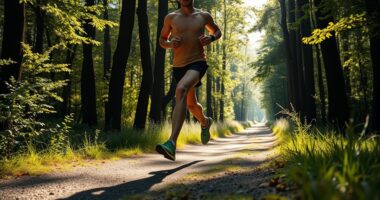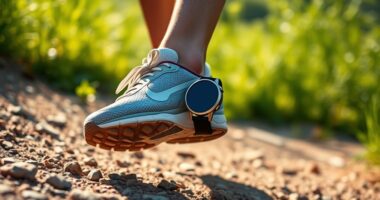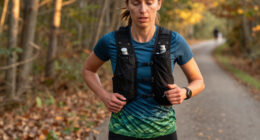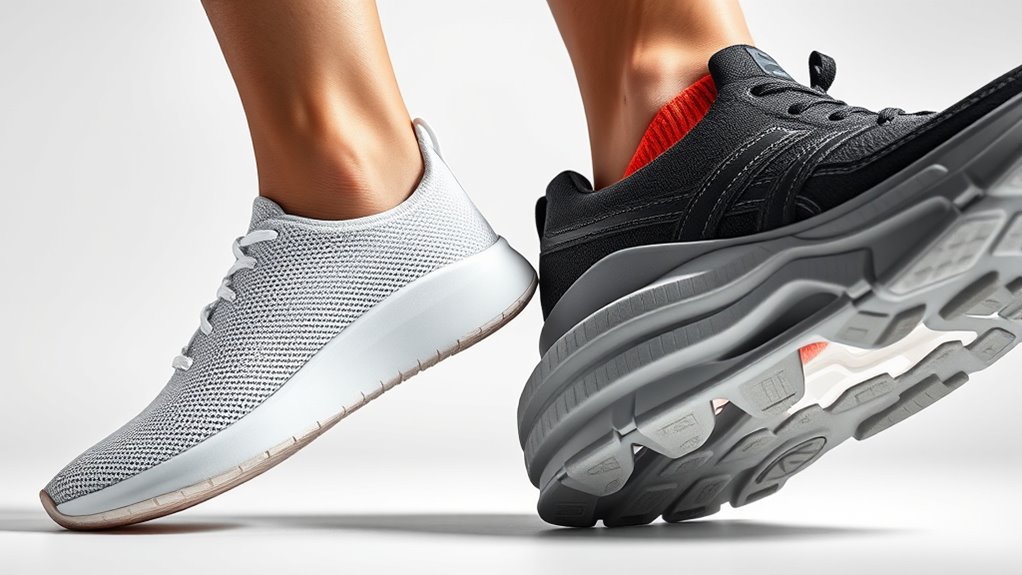

If you compare minimalist and cushioned shoes, you’ll notice that minimalist models have a low heel height, a thin flexible sole, and little arch support, encouraging a natural gait and ground contact. Cushioned shoes, on the other hand, feature thicker midsoles, elevated heels, and substantial arch support, which absorb shock and provide stability. Understanding these mechanical differences can help you choose the best fit for your running style and comfort—there’s more to uncover if you keep exploring.

Get workout gear delivered free with Prime
- Fast, free delivery on millions of items
- Prime Video, Amazon Music and more included
- Member-only deals all year
Key Takeaways
- Minimalist shoes have a low heel and thin sole, promoting natural foot movement, while cushioned shoes have a higher heel and thick midsole for shock absorption.
- Minimalist designs offer little to no arch support, relying on natural foot stability, whereas cushioned shoes provide substantial arch support for enhanced stability.
- The flexible, ground-feel sole of minimalist shoes encourages a forefoot or midfoot strike, unlike cushioned shoes that elevate the heel to facilitate impact absorption.
- Minimalist shoes promote natural gait and active muscle engagement, while cushioned shoes reduce joint stress through enhanced shock distribution.
- The structural differences affect proprioception and terrain awareness, with minimalist shoes maximizing ground contact and cushioned shoes prioritizing impact mitigation.
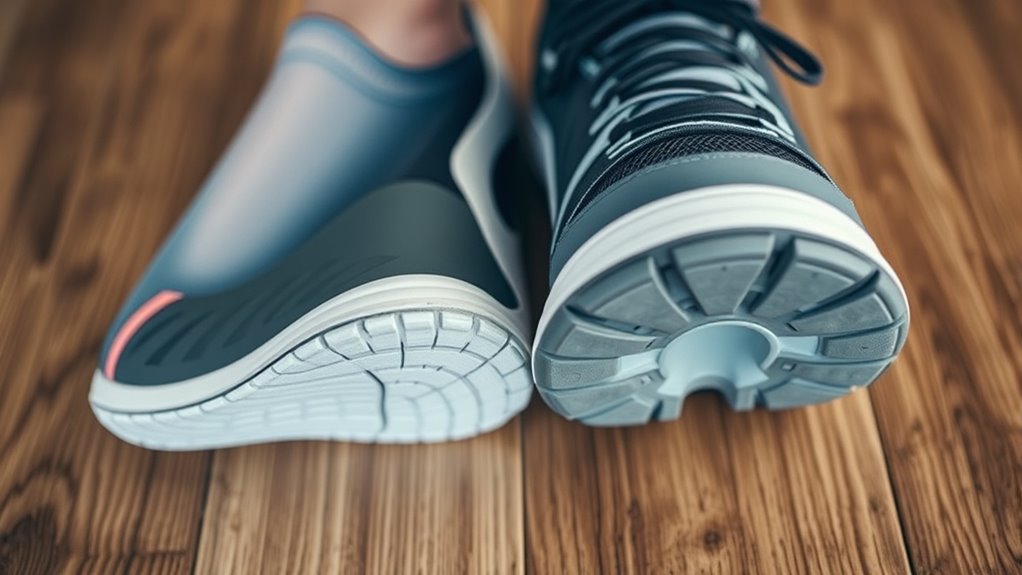
When choosing running shoes, understanding the difference between minimalist and cushioned designs can considerably impact your comfort and performance. Mechanical differences, such as arch support and heel height, play a significant role in how each type interacts with your foot during activity. Minimalist shoes typically have a low heel height, often close to the ground, which encourages a more natural foot strike. This design minimizes heel elevation, allowing your foot to land more directly beneath your body, promoting a forefoot or midfoot strike. Because of this, minimalist shoes usually offer little to no arch support, trusting your foot’s natural arch to provide stability. If you have a high arch or need additional support, this might mean you’ll need to add orthotics or select minimalist shoes with some built-in arch features. Conversely, cushioned shoes tend to have a higher heel height, which elevates the heel and provides extra shock absorption. This added height often comes with substantial arch support, helping stabilize your foot and reduce strain on the arch during runs. The increased heel height also helps distribute impact forces more evenly across your foot, which can be beneficial if you experience heel pain or have a tendency to strike heavily with your heels.
In terms of mechanical differences, the structure of the midsole is key. Minimalist shoes feature a thin, flexible sole that allows your foot to move naturally and feel the ground beneath you. This setup encourages a more active engagement of foot muscles and tendons, which can strengthen your foot over time. Cushioned shoes, however, contain a thicker midsole made of foam or gel, designed to absorb impact and reduce stress on your joints. The padding often results in a more plush feel, which can be advantageous for long-distance runners or those prone to joint issues. However, this extra cushioning can sometimes compromise proprioception—the sense of your foot’s position—making your foot less aware of the terrain.
Ultimately, your choice depends on your running style, foot structure, and comfort preferences. If you prefer feeling the ground and want to promote a natural gait, minimalist shoes with minimal arch support and low heel height are worth exploring. If you need more shock absorption and heel elevation for comfort or injury prevention, cushioned shoes with substantial arch support and higher heel height will serve you better. Both designs have mechanical advantages that can enhance your run, so understanding these differences helps you pick shoes aligned with your needs.
minimalist running shoes for natural gait
As an affiliate, we earn on qualifying purchases.
As an affiliate, we earn on qualifying purchases.
Frequently Asked Questions
How Do Minimalist Shoes Affect Running Gait Over Time?
Wearing minimalist shoes over time can improve your running economy by encouraging gait adaptation, leading you to land more naturally on your midfoot or forefoot. As you adapt, your muscles and tendons strengthen, promoting a more efficient stride. However, this shift may cause initial discomfort or injury if you don’t progress gradually. Consistent use helps develop better biomechanics, ultimately enhancing your running performance and reducing impact forces.
Can Cushioned Shoes Prevent Injuries Better Than Minimalist Shoes?
Cushioned shoes can help prevent injuries better than minimalist shoes, especially for runners with high arches or those prone to impact-related issues. Their advanced cushioning technology absorbs shock and provides arch support, reducing stress on joints and muscles. While minimalist shoes promote natural gait, they may increase injury risk if your feet aren’t conditioned for less support. Choose footwear based on your foot structure and running style for ideal injury prevention.
Are There Specific Foot Types Better Suited for Each Shoe Style?
You might find cushioned shoes better if you have high arches and need extra arch support, as they help absorb shock and reduce strain. If you have flat feet or low arches, minimalist shoes could work well, encouraging natural foot movement and strengthening muscles. It’s crucial to take into account your arch type and personal comfort when choosing, as the right shoe supports your foot’s biomechanics and helps prevent injuries.
How Does Shoe Weight Influence Running Performance?
Shoe weight considerably impacts your running performance by influencing your speed, endurance, and overall efficiency. Lighter shoes reduce the energy needed to lift your feet, enhancing running efficiency and allowing you to maintain a faster pace longer. Heavier shoes, on the other hand, can tire you out more quickly, decreasing performance. Choosing a lightweight shoe helps you run more effortlessly, conserve energy, and improve your overall running experience.
What Is the Impact of Shoe Flexibility on Foot Biomechanics?
Shoe flexibility directly influences your foot biomechanics by affecting arch support and foot stability. When your shoes are flexible, your foot moves more naturally, promoting better arch engagement and enhancing stability during each stride. This allows for a smoother gait and reduces strain on muscles and joints. Conversely, stiff shoes can limit movement, potentially leading to arch fatigue and less control, impacting overall running efficiency and comfort.
Conclusion
Imagine your feet as explorers crossing diverse terrains. Minimalist shoes let you feel every pebble and ripple, encouraging a natural stride, while cushioned shoes act like a soft cloud, absorbing each impact. Both shape your journey, but choosing between them is about what you want to experience. Whether you crave the raw connection or the gentle cushion, your shoes are your trusty companions—guiding your adventure with every step you take.
Halloween Picks
halloween
As an affiliate, we earn on qualifying purchases.