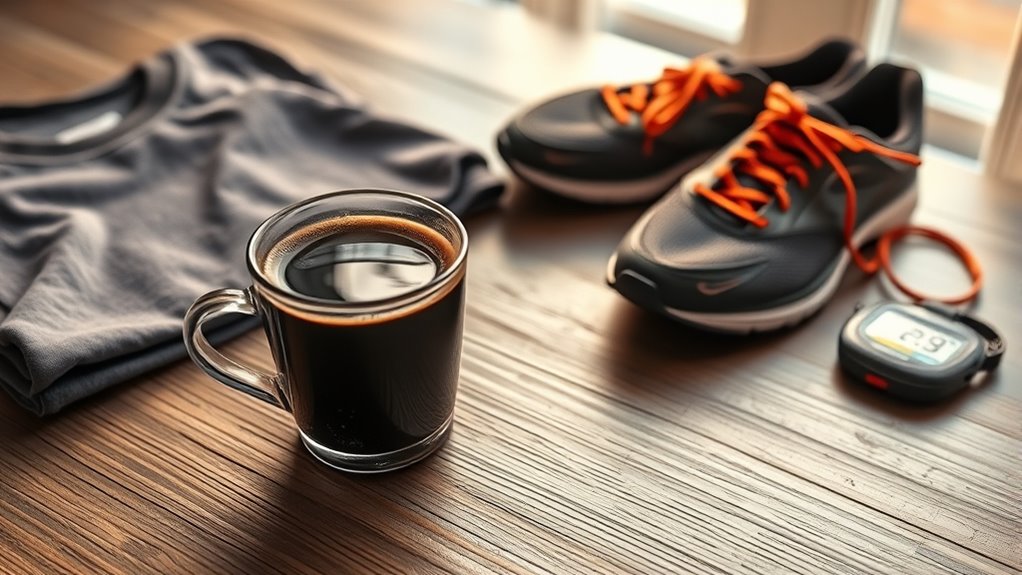

Caffeine can boost your running performance by increasing energy, alertness, and stamina while helping you feel less effort during runs. It may improve focus and delay fatigue, but it’s important to manage your intake carefully. Moderate caffeine usually won’t cause dehydration, especially if you stay hydrated. Your genetic makeup affects how you respond, so experimenting with timing and dosage can help you get the best benefits. If you keep exploring, you’ll discover even more ways to optimize your runs.
Key Takeaways
- Caffeine enhances running performance by increasing alertness, stamina, and reducing perceived effort.
- Moderate caffeine intake generally boosts performance without causing dehydration or adverse effects.
- Genetics influence caffeine metabolism, affecting effectiveness and potential side effects during runs.
- Individual responses to caffeine vary; experimentation helps optimize timing, dosage, and hydration strategies.
- Combining caffeine with adequate fluid intake maximizes ergogenic benefits and minimizes dehydration risks.

Caffeine is one of the most popular and widely used ergogenic aids among runners, thanks to its ability to enhance performance. When you consume caffeine before a run, it can improve your alertness, reduce perceived effort, and increase your stamina. However, understanding how caffeine interacts with your body involves considering hydration effects and genetic factors. Hydration is essential for peak running performance, and caffeine’s diuretic properties can influence your hydration status. While moderate caffeine intake doesn’t necessarily lead to dehydration, excessive consumption might increase urine production, which could impair your hydration levels during long runs or intense training sessions. To counteract this, it’s necessary to balance your caffeine intake with adequate fluid consumption, especially if you’re running in hot or humid conditions. Staying well-hydrated helps maintain your blood volume, regulate body temperature, and prevent muscle cramps, all of which are fundamental for sustaining performance and avoiding injury.
Genetic factors also play an important role in how caffeine affects you. Some runners metabolize caffeine quickly, experiencing more pronounced ergogenic benefits with fewer side effects, while others process it slowly, which can lead to increased jitteriness, anxiety, or disrupted sleep. Your genetic makeup determines the activity of enzymes responsible for caffeine metabolism, influencing how long caffeine stays in your system and how effectively you respond to it. If you’re genetically predisposed to slow caffeine metabolism, you might want to limit your intake before runs to prevent negative effects like gastrointestinal discomfort or irritability. Conversely, if you metabolize caffeine rapidly, you could benefit from consuming it closer to your run without experiencing unwanted side effects.
Beyond hydration and genetics, it’s important to remember that individual responses to caffeine vary. Some runners find it boosts their energy and focus without any adverse effects, while others might experience an increase in heart rate or gastrointestinal issues. Experimenting with timing, dosage, and hydration strategies during training can help you determine what works best for your body. As you incorporate caffeine into your running routine, pay attention to how your body reacts, and adjust accordingly to maximize benefits while minimizing risks. Remember, moderation is key. By considering hydration effects and your genetic predispositions, you can harness caffeine’s performance-enhancing properties more effectively, ensuring that your runs are both successful and enjoyable.

GU Energy Original Sports Nutrition Energy Gel, Vegan, Gluten-Free, Kosher, and Dairy-Free On-the-Go Energy for Any Workout, 8-Count, Tri-Berry
The Original Sports Nutrition Energy Gel designed to help athletes perform their best; 100 calories and essential electrolytes…
As an affiliate, we earn on qualifying purchases.
As an affiliate, we earn on qualifying purchases.
Frequently Asked Questions
Does Caffeine Affect Hydration During Running?
Caffeine can slightly affect your hydration levels during running, but the impact is minimal for most people. It may increase urine production, which could influence electrolyte balance if you’re not drinking enough fluids. To stay properly hydrated, make sure you’re consuming enough water and electrolytes, especially during long runs. Moderate caffeine intake is unlikely to cause dehydration, but listen to your body and hydrate accordingly to maintain ideal performance.
How Much Caffeine Is Safe Before a Race?
You should limit your caffeine dosage to about 200-300 mg, roughly the amount in two to three cups of coffee, before race day. Consume it about an hour before your race to maximize alertness and performance benefits. Avoid excessive intake, as too much caffeine can cause dehydration, jitters, or stomach issues. Stick to your usual caffeine routine so your body responds predictably on race day.
Can Caffeine Improve Long-Distance Endurance?
Studies show caffeine can boost endurance by up to 20%, making it a useful tool for long-distance runners. When you consume caffeine, it provides an energy boost and enhances mental alertness, helping you stay focused during those grueling miles. This improved mental clarity can make a significant difference, allowing you to push through fatigue. Just be mindful of timing and dosage to avoid negative effects that could hinder your performance.
Are There Any Negative Side Effects of Caffeine for Runners?
Yes, caffeine can cause negative side effects for runners. You might experience caffeine withdrawal symptoms like headaches or fatigue if you stop suddenly, which can impact your training. Additionally, caffeine can disrupt your sleep, especially if consumed late in the day, reducing recovery and performance. Be mindful of your intake and timing to minimize these issues, ensuring you enjoy its benefits without adverse effects.
Does Caffeine Tolerance Impact Performance Benefits?
Caffeine tolerance can reduce its performance enhancement effects over time, making it less effective for you. When you regularly consume caffeine, your body adapts, requiring higher doses for the same boost. To maintain its benefits, you might consider cycling your intake or taking breaks. This way, you can maximize caffeine’s performance benefits without building a high tolerance that hinders your running potential.

INOXTO Running Hydration Vest Backpack,Lightweight Insulated Pack with 1.5L Water Bladder Bag Daypack for Hiking Trail Running Cycling Race Marathon for Women Men (Light Gray)
❤ 【Ergonomic and comfortable design】 INOXTO Hiking Backpack Water Bladder Vest Kit aligns your back while gently protecting…
As an affiliate, we earn on qualifying purchases.
As an affiliate, we earn on qualifying purchases.
Conclusion
So, as you lace up and hit the pavement, consider that a gentle boost from caffeine might just be like a whisper of wind at your back, guiding you forward with a subtle, energizing touch. It’s a quiet partner that can help you reach new distances without shouting for attention. Embrace the slight lift it offers, and let it be a soft nudge toward your best run yet, all while enjoying the journey.
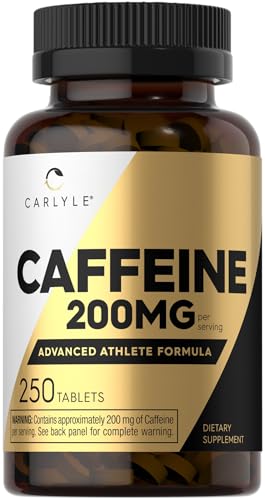
Carlyle Caffeine Pills 200mg | 250 Tablets | Advanced Athlete Formula | Vegetarian, Non-GMO & Gluten Free Supplement
CAFFEINE: Power through your daily routine with Carlyle's advanced Caffeine supplement!
As an affiliate, we earn on qualifying purchases.
As an affiliate, we earn on qualifying purchases.

WILDREEDS 500ml Soft Flask, TPU Collapsible Soft Water Bottle for Hydration Pack, Running Vest, Folding Water Bottle for Hiking Cycling Climbing-1Pcs, White
Package included 1pcs soft flask (500ml)
As an affiliate, we earn on qualifying purchases.
As an affiliate, we earn on qualifying purchases.