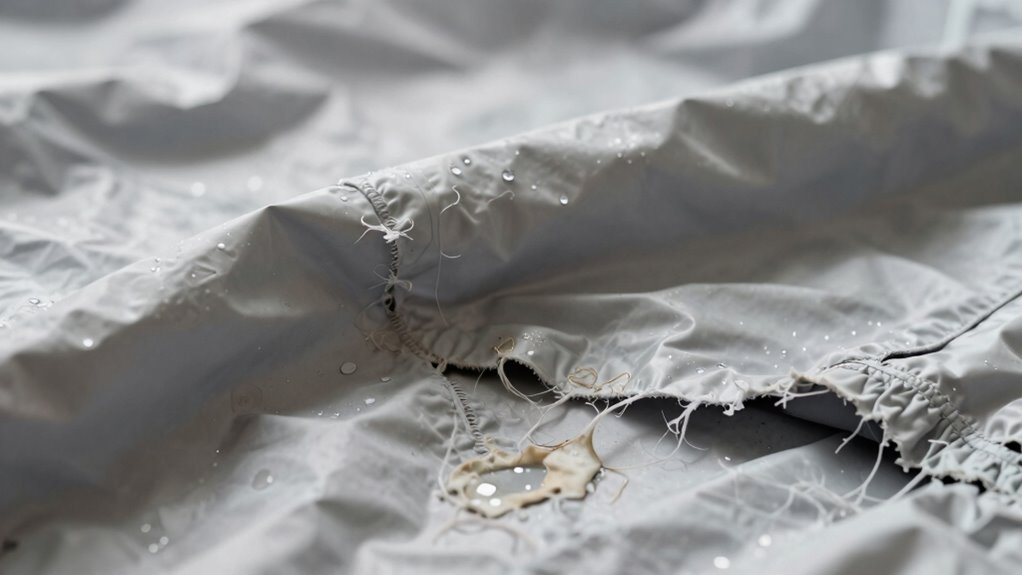

The fastest way to ruin your technical fabric is by using fabric softeners during laundry. Softeners coat the fabric fibers and clog tiny pores, which reduces breathability and moisture-wicking ability. This buildup damages waterproof and breathable coatings, making your gear less effective over time. Avoid harsh detergents and high heat drying, which can also harm the fabric. Keep your gear performing its best by skipping softeners—continue on to discover more tips to extend its lifespan.

Get workout gear delivered free with Prime
- Fast, free delivery on millions of items
- Prime Video, Amazon Music and more included
- Member-only deals all year
Key Takeaways
- Using regular fabric softeners creates chemical buildup that clogs fabric pores, reducing breathability and moisture-wicking.
- Washing technical fabrics with harsh detergents or bleach damages fibers and protective coatings.
- Excessive or improper drying, especially high heat, can warp fabrics and degrade waterproof coatings.
- Ignoring manufacturer care instructions may lead to incorrect cleaning that accelerates fabric deterioration.
- Frequent use of softening agents and improper drying shortens the lifespan and performance of technical gear.
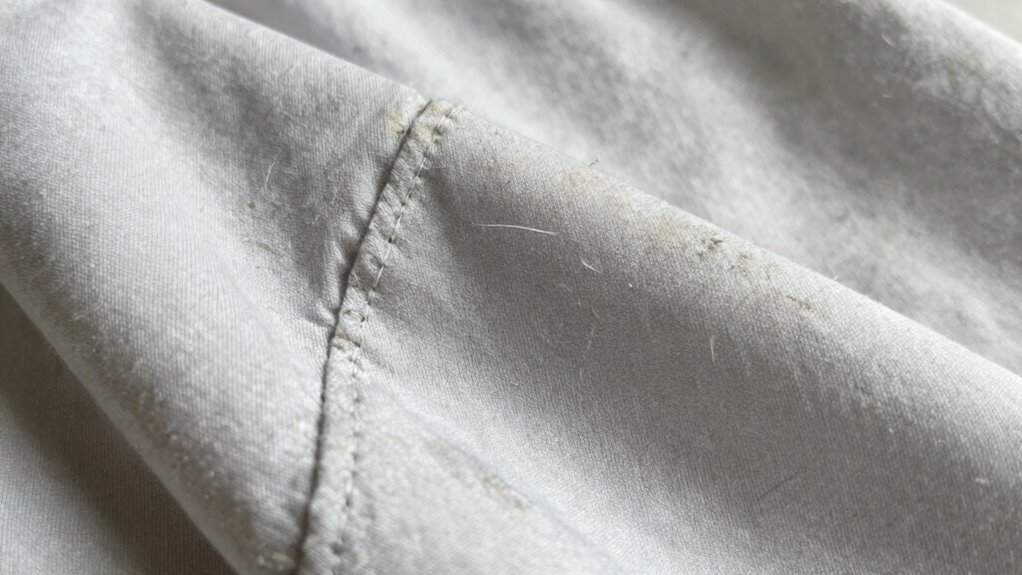
Many people unknowingly ruin their technical fabrics by making one simple laundry mistake: using regular fabric softeners. These fabrics—designed for performance, breathability, and durability—require special care to maintain their properties. When you use standard softeners, you interfere with the fabric’s ability to wick moisture and retain its structural integrity. This isn’t just about cleanliness; it’s about preserving the fabric’s technical features. Proper fabric care and washing techniques are essential to keep your gear performing at its best.
Using regular fabric softeners can ruin technical fabrics and reduce their performance and longevity.
Regular fabric softeners contain chemicals that leave a coating on fabric fibers. While softeners make clothes feel softer and smell better initially, they can clog the tiny pores of technical fabrics like Gore-Tex, polyester, or nylon. This reduces their breathability and moisture-wicking capabilities. Over time, this buildup causes the fabric to become less effective at regulating temperature and moisture transport. It’s a quick way to diminish the lifespan of your gear and compromise its performance when you need it most. Additionally, understanding the fabric’s construction can help you better care for your performance gear and prevent unnecessary damage. Using appropriate washing techniques tailored for technical fabrics can further protect their delicate membranes and coatings. Consulting proper fabric care guidelines can also help extend the life of your gear. Being aware of the impact of detergents on performance fabrics allows you to choose cleaning products that won’t harm your gear.
The key to proper fabric care is understanding how washing techniques impact your technical gear. First, always check the manufacturer’s instructions—most technical fabrics require cold or lukewarm water and gentle cycles. Avoid harsh detergents or bleach, which can degrade fibers and diminish waterproofing or breathability. Instead, use a specialized technical wash or mild, non-detergent cleaners formulated for performance fabrics. These products clean away dirt and oils without damaging the fabric’s delicate membranes or coatings. Incorporating proper cleaning products that are free from softening agents will help preserve the fabric’s performance.
When it comes to drying, air drying is usually best. Avoid high heat from dryers, which can warp the fabric or damage waterproof coatings. If you must use a dryer, opt for a low heat setting and remove the gear promptly. Remember, skipping fabric softeners and choosing the right washing techniques preserve the fabric’s original properties, extending its lifespan. Proper fabric care isn’t complicated; it’s about making mindful choices during laundry that respect the fabric’s design and function. Being cautious with drying methods also prevents unnecessary damage and maintains the integrity of the fabric’s coatings.
In the end, the biggest laundry mistake you can make involves using regular fabric softeners, which are detrimental to technical fabrics. Instead, focus on gentle washing techniques, suitable detergents, and air drying. This approach ensures your technical gear stays functional, durable, and comfortable, keeping you ready for whatever your adventures demand. Taking the time to care for your fabrics properly will pay off in performance and longevity, making every wash a step toward better gear.
As an affiliate, we earn on qualifying purchases.
Frequently Asked Questions
Can Specific Detergents Damage Technical Fabrics More Than Others?
Yes, specific detergents can damage technical fabrics more than others. You need to check detergent compatibility because some contain harsh chemicals that break down fabric fibers. Fabric-specific formulations are designed to clean without harming delicate materials. Using the wrong detergent may reduce the fabric’s performance and lifespan. Always opt for gentle, compatible detergents suited for technical fabrics, and avoid harsh chemicals to keep your gear in top condition.
How Often Should Technical Fabrics Be Washed for Longevity?
Think of your technical fabric as a delicate shield, protecting your adventures. To preserve its strength, wash it sparingly—after every 3-4 wears, or when visibly dirty. Frequent washing wears down fabric coatings and accelerates dye fading, like a fading sunset. Use gentle detergents to maintain its vibrancy and durability. Less frequent washing keeps your gear resilient, maintaining its protective power and vividness for longer journeys ahead.
Are There Any Natural Remedies to Restore Technical Fabric Performance?
You can try natural remedies like soaking your technical fabric in a mixture of vinegar and water to help with fabric rejuvenation. Vinegar acts as a gentle cleanser, removing residues that block performance. Additionally, baking soda can refresh the fibers. Just soak, rinse thoroughly, and air dry. These natural remedies are cost-effective and eco-friendly ways to restore your technical fabric’s performance without harsh chemicals.
Does Drying Technical Fabric in Direct Sunlight Affect Its Durability?
Drying technical fabric in direct sunlight can harm its durability, causing sunlight degradation and fabric fading over time. You expose the material to harsh UV rays, which weaken fibers, reduce elasticity, and accelerate wear. To preserve your gear, avoid prolonged sun exposure, opt for air-drying in the shade, and protect your technical fabrics from the sun’s harsh rays. This approach helps maintain performance and prolongs the lifespan of your clothing.
What Are the Signs That Technical Fabric Has Been Ruined?
You’ll notice your technical fabric has been ruined if it feels stiff, loses its stretch, or no longer wicks moisture effectively. To assess, try fabric restoration techniques; if they don’t work, your fabric might be permanently damaged. Comparing detergents can help prevent future harm—choose one designed for technical gear. If signs persist after cleaning, it’s a clear indication that the material’s integrity has been compromised.
Conclusion
To keep your technical fabrics alive and vibrant, avoid that one laundry mistake—treat them with the care they deserve. Think of your gear as a trusted friend; neglect can wear them down faster than time itself. By handling these delicate materials gently, you’re prolonging their life and performance. Remember, a little extra care now is like planting seeds for longer-lasting, high-performing fabrics that won’t betray you when you need them most.
Halloween Picks
halloween
As an affiliate, we earn on qualifying purchases.