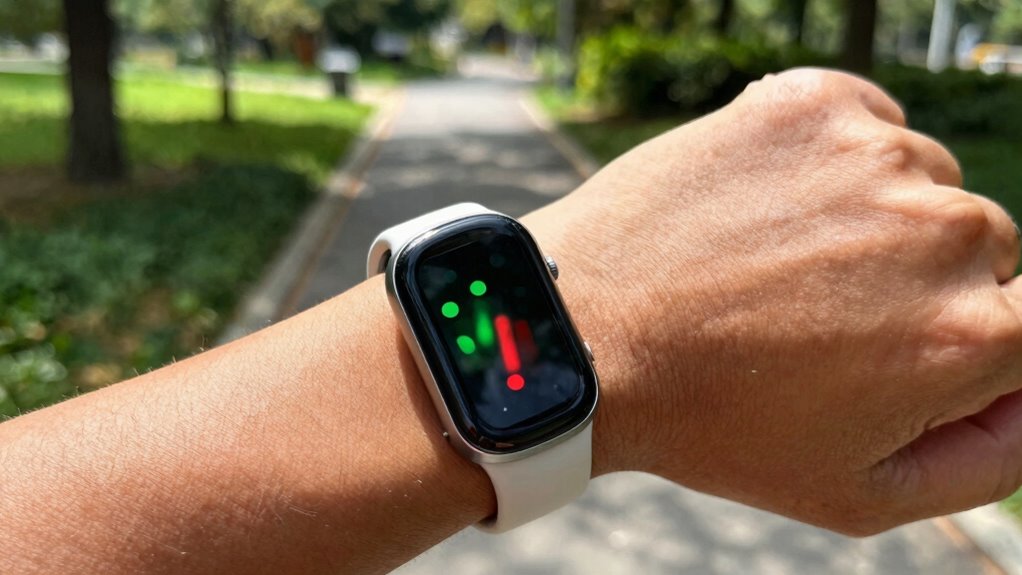

You often misread recovery scores because you focus only on the numbers, ignoring external factors like stress, sleep, and mental resilience that heavily influence them. Heavy workouts may temporarily lower your scores, but that doesn’t always mean overtraining. Conversely, high scores after tough sessions might mask lingering fatigue. To accurately gauge your readiness, you need to take into account both physical and mental aspects, along with training context. Keep exploring to understand how to interpret these scores more effectively.

Get workout gear delivered free — and shop member deals
- Fast, free delivery on millions of items
- Access to Prime Big Deal Days deals on October 6–7
- Prime Video, Amazon Music and more included
Key Takeaways
- Runners often focus only on recovery scores, ignoring external factors like stress or sleep that influence results.
- Heavy training or high-intensity sessions can temporarily lower scores, leading to misinterpretation as overtraining.
- Mental resilience and emotional state significantly affect recovery scores, but are frequently overlooked.
- Recovery metrics are snapshots, not comprehensive, so runners may misjudge their overall readiness.
- Runners tend to rely solely on scores without considering subjective feedback and other contextual factors.

Many runners misread recovery scores because they often rely solely on the numbers without considering the full context of their training and daily life. These scores are meant to give you a snapshot of how well your body’s recovering, but they don’t tell the full story. If you focus only on the numbers, you might overlook important factors like training impact and your mental resilience, which play a huge role in your overall recovery. For example, a low recovery score might suggest you’re not ready for intense workouts, but if you’ve just had a stressful week at work or slept poorly, those external factors could be influencing your score more than your actual physical condition.
Recovery scores need context—don’t rely solely on numbers; consider training, stress, and sleep for a full picture.
You need to recognize that recovery isn’t just about physical rest; it’s also about mental resilience. Your mind can considerably affect how your body recovers. If you’re overwhelmed or anxious, your recovery scores might drop even if your physical training has been moderate. Similarly, if you’ve experienced a particularly demanding training session, your recovery score might reflect that impact, but it doesn’t mean you’re necessarily headed for injury or burnout. Instead, it signals that you might need to prioritize sleep, nutrition, or stress management to support your progress. Ignoring these nuances can lead you to make poor training decisions, like skipping necessary rest days or pushing too hard when your body isn’t ready, which only increases injury risk over time.
Another common mistake is misunderstanding the training impact on recovery scores. Heavy workouts, especially those involving high intensity or volume, naturally cause temporary dips in your recovery. If you interpret every low score as a sign of overtraining, you might unnecessarily reduce your training load, hindering your progress. Conversely, if you see high scores after a tough session and assume you’re fully recovered, you might overtrain, ignoring subtle signs of fatigue that could lead to injury. It’s crucial to view recovery scores as part of a broader picture — including how you feel mentally and physically, your recent training volume, and lifestyle factors. Recognizing the importance of context can help prevent misinterpretation and lead to better training decisions. Additionally, understanding recovery measurement methods—such as heart rate variability and subjective feedback—can improve how you interpret these scores. Being aware of external influences like stress or sleep quality, which can temporarily skew recovery scores, is equally important.
By considering these factors, you can develop a more nuanced understanding of your recovery and avoid common pitfalls that stem from misreading the data. Cultivating awareness of the multifaceted nature of recovery ensures that you’re not solely dependent on a single score but instead taking a comprehensive view of your health and readiness. Ultimately, your recovery score is a helpful tool, but it’s just one piece of a larger puzzle. By understanding the training impact and cultivating mental resilience, you can interpret these scores more accurately. This balanced approach helps you avoid misjudging your readiness and ensures you’re making smarter, safer decisions about your training. Remember, recovery isn’t a simple number; it’s an ongoing process influenced by many interconnected factors.
As an affiliate, we earn on qualifying purchases.
Frequently Asked Questions
How Can I Improve My Understanding of Recovery Scores?
To improve your understanding of recovery scores, focus on integrating nutrition insights and sleep quality into your routine. Pay attention to how your diet replenishes energy and aids muscle repair, and track your sleep patterns to guarantee restorative rest. Use this data alongside recovery scores to identify patterns. By doing so, you’ll better interpret what your recovery scores truly indicate, enabling you to optimize your training and avoid misreading your body’s signals.
Are Recovery Scores Reliable Across Different Training Levels?
Recovery scores can be less reliable across different training levels because training variability and environmental factors influence them. As a runner, you might find that beginners experience more fluctuation due to inconsistent routines, while experienced runners have steadier scores. Environmental factors like weather, sleep, and stress also affect recovery measurements. To get a clearer picture, consider these influences and track your scores over time, recognizing they’re not absolute but part of a bigger recovery picture.
What Specific Factors Influence Recovery Score Accuracy?
Your recovery score is like a delicate compass, easily swayed by hidden currents. Physiological variability, such as stress or sleep quality, can distort its reading, while technology limitations act like fog, obscuring true signals. These factors make the score less precise, so don’t rely solely on it. Instead, listen to your body’s whispers and consider multiple signs to truly understand when you’re ready to push forward.
How Often Should I Check My Recovery Scores?
You should check your recovery scores daily or every other day to stay on top of your progress. Consistent monitoring helps you notice trends influenced by your nutrition habits and sleep quality. If your scores fluctuate, it might be due to poor nutrition or inadequate sleep, so pay attention to these factors. Regular checks guarantee you adjust your training and recovery strategies promptly, optimizing your performance and reducing injury risk.
Can Recovery Scores Predict Injury Risk Accurately?
Recovery scores can hint at injury risk but aren’t foolproof predictors. While they offer valuable insights into your body’s state, their limitations mean you shouldn’t rely solely on them. Use recovery scores alongside injury prevention strategies like proper rest, strength training, and listening to your body. This balanced approach helps you catch warning signs early and reduces your chances of injury, making your runs safer and more effective.
Conclusion
You might think a high recovery score means you’re fully rested, like a calm lake after rain. But often, it’s more like a pond with hidden currents—deceptively calm on the surface. Runners tend to misread these scores, mistaking surface calm for true recovery. Remember, just because the water looks still, doesn’t mean the depths are clear. Stay vigilant, listen to your body, and don’t rely solely on scores to guide your training.
Fall Picks
fall essentials
As an affiliate, we earn on qualifying purchases.