To use the run-walk method effectively, start with manageable intervals like 1-minute runs followed by 1-minute walks. Gradually increase your running segments as your endurance improves, tailoring the plan to your fitness level and goals. Use timers or apps to stay on track and keep motivated with walk breaks that boost confidence. Consistent adjustments help prevent injuries and burnout—continue exploring for more insights on optimizing your run-walk routine.
Key Takeaways
- Start with manageable intervals, such as 1-minute run followed by 1-minute walk, then gradually increase running duration over time.
- Use timers or apps to monitor and stick to your planned intervals for consistency.
- Adjust walk and run durations based on your fitness level and specific training goals.
- Incorporate recovery periods to prevent overexertion and promote injury prevention.
- Maintain a steady pace and focus on gradual progression to build endurance safely and effectively.

Have you ever wondered how runners can go farther with less fatigue? It’s a common question, especially for those looking to improve endurance without risking burnout or injury. One effective method is the run-walk approach, which alternates periods of running with walking. This strategy isn’t just about easing into running; it’s a smart way to build stamina while reducing strain on your body. By incorporating interval training into your routine, you can push your limits gradually and safely. Interval training involves alternating high-intensity running with lower-intensity walking or rest, allowing your muscles to recover while maintaining a steady workout pace. This method helps you increase your overall mileage over time without overtaxing your muscles or joints. It’s especially beneficial for beginners or those returning after an injury, as it promotes injury prevention by minimizing repetitive stress and impact.
Using the run-walk method makes it easier to stick to a consistent training schedule. When you know you’ll have built-in recovery periods, you’re less likely to feel overwhelmed or discouraged. The key is to start with manageable intervals—say, running for one minute and walking for one minute—and gradually extend your running segments as your fitness improves. This controlled progression not only enhances endurance but also helps prevent overuse injuries that happen when you push too hard too soon. Injury prevention is a vital aspect of consistent running, and the run-walk technique supports this by giving your body the chance to recover between bouts of effort. Additionally, integrating automation in your training plan—such as using timers or apps—can help you stay consistent and monitor your progress more effectively.
Another advantage of interval training through the run-walk method is its adaptability. You can customize your intervals based on your current fitness level, goals, or race distance. For example, marathoners might use longer running segments with shorter walks, while beginners might opt for more frequent walk breaks. This flexibility ensures that you stay motivated and avoid burnout while still making steady progress. Plus, the mental boost of knowing you have planned walk breaks can make long runs feel less intimidating. Over time, as your endurance improves, you can adjust the intervals to challenge yourself further or to suit specific race goals.
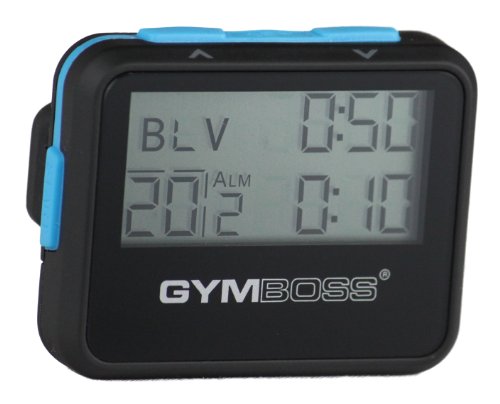
Gymboss Interval Timer and Stopwatch – Black/Blue SOFTCOAT
Compact interval timer times one or two intervals between two seconds and 99 minutes.
As an affiliate, we earn on qualifying purchases.
As an affiliate, we earn on qualifying purchases.
Frequently Asked Questions
Can Beginners Effectively Use the Run-Walk Method?
Yes, beginners can effectively use the run-walk method. You should focus on gait analysis to find a comfortable walk and run ratio, which helps prevent injury and build endurance. Maintaining a steady running cadence allows you to stay consistent and avoid fatigue. By listening to your body and adjusting your intervals, you’ll improve gradually and enjoy running more while minimizing the risk of overexertion.
How Should I Adjust Run-Walk Intervals for Different Terrains?
You should adapt your run-walk intervals based on terrain to optimize performance and safety. For hilly or uneven surfaces, increase walk intervals to maintain control and reduce fatigue. On flat terrain, you can shorten walk breaks and run more continuously. Always listen to your body and adjust interval lengths accordingly, practicing terrain adaptation to improve endurance and prevent injury. Flexibility in your interval adjustment makes your training more effective and enjoyable.
Is the Run-Walk Method Suitable for Marathon Training?
Yes, the run-walk method is suitable for marathon training because it helps build marathon endurance and promotes training consistency. By alternating running and walking, you reduce fatigue and injury risk, making it easier to stick with your training plan. This approach allows you to cover longer distances gradually, boosting your confidence and stamina, so you can finish your marathon strong and healthy.
What Gear Is Recommended for Run-Walk Training?
Think of your gear as your trusted toolkit. You’ll need good running shoes that provide support and comfort, especially for varied walk-run paces. Wearable tech like a fitness tracker or smartwatch helps monitor your progress and optimize your intervals. Consider lightweight clothing for comfort and a hydration belt or bottle. This gear keeps you agile and prepared, making your run-walk training more effective and enjoyable.
How Do I Stay Motivated Using the Run-Walk Approach?
To stay motivated with the run-walk approach, set clear, achievable goals that keep you focused and inspired. Use motivational strategies like tracking your progress, celebrating small wins, and rewarding yourself. Remind yourself of your reasons for starting, whether it’s health or personal growth. Keep a positive mindset, and visualize your success. Consistent goal setting helps you stay committed, making each run-walk session more rewarding and energizing.

Treadmill with Speaker, 6-in-1 7.5MPH Foldable Treadmill for Home with App Compatible, Walking Pad with 10% Incline, LED Display, 3.0HP Brushless Drive, 350 LB Weight Capacity, 12 HIIT Programs
KALWOL: Craftsmanship Meets Quality! With 18 years of dedicated fitness equipment manufacturing, we prioritize precision and durability in…
As an affiliate, we earn on qualifying purchases.
As an affiliate, we earn on qualifying purchases.
Conclusion
By embracing the run-walk method, you’re carving out a path that’s as steady as a heartbeat and as reliable as sunrise. Think of it as your secret recipe for endurance—mixing bursts of speed with gentle recovery. With patience and practice, you’ll find yourself crossing finish lines like a well-oiled machine. So lace up, stay consistent, and watch how this simple technique transforms your running journey into a smooth, unstoppable wave.
Gymboss Interval Timer and Stopwatch – Black/Blue SOFTCOAT
Compact interval timer times one or two intervals between two seconds and 99 minutes.
As an affiliate, we earn on qualifying purchases.
As an affiliate, we earn on qualifying purchases.
Gymboss Interval Timer and Stopwatch – Black/Blue SOFTCOAT
Compact interval timer times one or two intervals between two seconds and 99 minutes.
As an affiliate, we earn on qualifying purchases.
As an affiliate, we earn on qualifying purchases.