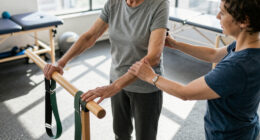

Walking more helps build your running base by boosting endurance without the impact of running, while improving your gait and biomechanics for more efficient movement. It also sharpens your awareness of hydration needs, helping you maintain stamina. Plus, walking enhances proprioception and posture, reducing injury risk. By gradually strengthening muscles and supporting proper footwear choices, you’ll set a solid foundation. Keep exploring how these small steps can lead to big improvements in your run.

Get workout gear delivered free with Prime
- Fast, free delivery on millions of items
- Prime Video, Amazon Music and more included
- Member-only deals all year
Key Takeaways
- Enhances muscular endurance and cardiovascular fitness without high impact, building a stronger running foundation.
- Improves biomechanics and gait efficiency, reducing injury risk during running.
- Develops better proprioception, posture, and movement awareness for more effective running form.
- Helps identify optimal footwear and support needs, promoting injury prevention.
- Reinforces routine habits and hydration awareness that contribute to sustained running performance.

If you’re looking to enhance your running foundation, walking more can be a surprisingly effective strategy. It’s not just about getting from point A to B; walking helps build endurance, improve your gait, and condition your muscles without the pounding impact of running. As you incorporate more walking into your routine, you’ll notice subtle but meaningful improvements in your overall running performance. One key aspect often overlooked is how walking can influence your hydration strategies. When you walk regularly, your body becomes more attuned to its hydration needs. You learn to recognize signs of dehydration and develop habits for drinking water at appropriate intervals, which can carry over into your running. Proper hydration is essential for maintaining stamina and preventing fatigue, especially during long runs or intense sessions. Walking allows you to experiment with different hydration strategies in a low-pressure setting, helping you identify what works best for your body. Additionally, walking can help you develop a better understanding of your body’s movement patterns, which is crucial for injury prevention and efficient running form. Developing this awareness can also lead to improved muscle engagement, ensuring that you activate the right muscles during your runs. Regular walking also enhances your cardiovascular fitness, laying a stronger foundation for more intense running workouts. It also provides an opportunity to observe and adjust your walking biomechanics, which can positively impact your running technique. By paying attention to your footwear choices, you can optimize your comfort and injury prevention as you walk more. When you start walking frequently, you become more aware of the footwear that supports your gait and comfort. You might discover that certain shoes reduce fatigue or prevent discomfort, guiding your decisions when selecting running shoes later on. Investing in the right footwear is essential because it influences your biomechanics and reduces the risk of injury. Walking with supportive shoes that fit well encourages proper alignment and helps strengthen the muscles used in running. Over time, you develop a better understanding of how different footwear impacts your performance, making it easier to choose the best options for your running base. Walking also enhances your proprioception—the sense of how your body moves through space. This heightened awareness improves your stride efficiency and balance, which are critical components of a strong running foundation. As you walk more, you reinforce correct posture and gait mechanics, translating into more effective and injury-free running. Furthermore, walking is flexible and can be integrated into your daily routine without requiring special equipment or extensive time commitments. It’s a gentle, accessible way to increase your overall activity level, build aerobic capacity, and prepare your body for the demands of running. In essence, walking more offers a gentle yet powerful way to strengthen your running base. It influences key factors like hydration strategies and footwear choices, helping you develop good habits that support long-term progress. By paying attention to these elements during your walks, you set a solid foundation that makes your shift into running smoother, safer, and more sustainable.
walking shoes for endurance and injury prevention
As an affiliate, we earn on qualifying purchases.
As an affiliate, we earn on qualifying purchases.
Frequently Asked Questions
Can Walking Replace Running for Building Endurance?
Walking can’t fully replace running for building endurance, but it offers valuable cross-training benefits. By adjusting walking intensity—speeding up or adding hills—you engage muscles used in running and boost cardiovascular health. Incorporating walking into your routine helps prevent injury, recover from tough runs, and gradually build stamina. While it complements running, combining both activities provides the best overall endurance gains, especially when you want a lower-impact, sustained effort.
How Does Walking Help Prevent Running Injuries?
Like a wise sage guarding a treasure, walking shields your joints and prevents injuries. It acts as gentle cross-training, strengthening muscles without the pounding of running. By reducing impact stress, walking boosts joint health and creates a balanced fitness routine. This helps you avoid overuse injuries, keeps your body resilient, and prepares you for more intense runs, making walking a essential, injury-preventing ally in your running journey.
What’s the Ideal Walking-To-Running Ratio?
The ideal walking-to-running ratio often depends on your fitness level, but a common approach is 3:1 or 4:1, like walking three or four minutes for every minute of running. Incorporate interval training to gradually increase running time, which helps prevent injuries. Walking also aids injury recovery by reducing strain. Adjust your ratio based on how you feel, and always listen to your body to avoid overtraining or setbacks.
Does Walking Improve Running Speed or Just Endurance?
Walking boosts both your running speed and endurance, acting as a secret weapon in your training arsenal. It enhances your walking biomechanics, which can translate into more efficient running mechanics. Plus, the cross-training benefits of walking reduce injury risk and improve overall strength. By building a strong, balanced foundation through walking, you’ll find your speed increases naturally, and your endurance becomes more resilient, making you a more well-rounded runner.
Can Walking Benefit Experienced Runners as Well?
Yes, walking benefits experienced runners too. It offers a low-impact way to incorporate interval training and cross training into your routine, helping prevent burnout and injuries. Walking boosts recovery, enhances aerobic capacity, and develops muscles used in running without the strain of high-intensity workouts. By adding brisk walks or varied paces, you can improve endurance and strength, ultimately making you a more resilient and efficient runner.
Conclusion
Incorporating more walking into your routine can quietly build a stronger running foundation. For example, imagine Sarah, a marathoner who started walking daily to recover from an injury. Over time, her endurance and leg strength improved without the strain of running. This simple shift allowed her to return to running with a better base, showcasing how walking can be a powerful, low-impact way to enhance your overall running performance. Sometimes, less impact means more progress.
Halloween Picks
halloween
As an affiliate, we earn on qualifying purchases.