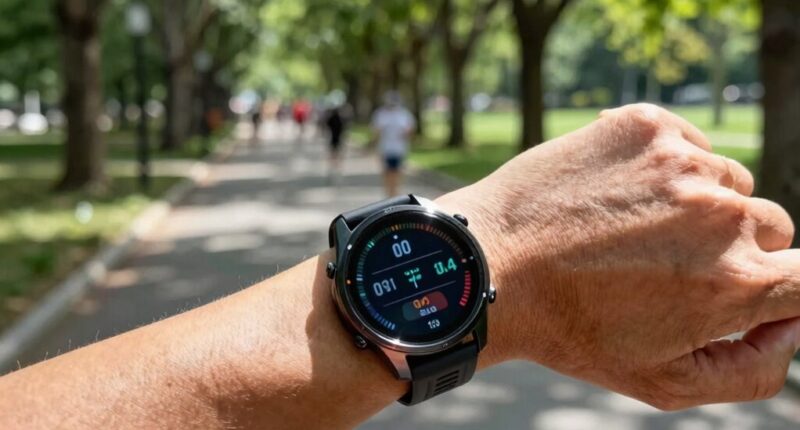
To accurately interpret your watch’s elevation data, understanding calibration and atmospheric effects is crucial—discover how to avoid common pitfalls.
Browsing Category
Running Science & Metrics
58 posts
Why Dual-Frequency GPS Matters Most in City Running
Many runners overlook the importance of dual-frequency GPS in urban settings; discover how it can revolutionize your navigation and performance.
The Difference Between Treadmill Comfort and Treadmill Stability
Join us as we explore the crucial differences between treadmill comfort and stability—your workout experience might depend on it!
Why Decline Training Feels So Different From Flat Running
Why does decline training challenge your body differently than flat running? Discover the surprising effects on your muscles and endurance that you won’t want to miss.
How Treadmill Cushioning Changes Fatigue on High-Mileage Weeks
Plunge into the world of treadmill cushioning and discover how it transforms your fatigue levels during high-mileage weeks—your performance may never be the same.
Leg Press vs Squats for Runners: Which Builds Better Strength?
Unlock the differences between leg press and squats for runners to discover which exercise truly boosts your strength and performance.
The ‘Next-Day Test’: How to Tell If a Recovery Tool Is Actually Helping
Navigating whether a recovery tool truly boosts your progress requires examining key signs; discover how to tell if it’s actually making a difference.
EMS Muscle Stimulators Explained: What the Sensations Mean
Boost your understanding of EMS sensations and discover what they reveal about muscle engagement—continue reading to unlock their full potential.
Ice Baths After Hard Workouts: When They Help and When They Hurt Adaptation
When considering ice baths after intense workouts, understanding when they aid recovery versus hinder progress can significantly impact your training results.
Cold Plunge Temperature Explained: Colder Isn’t Always Better
Here’s what you need to know about cold plunge temperatures and why colder isn’t always better for your safety and recovery.