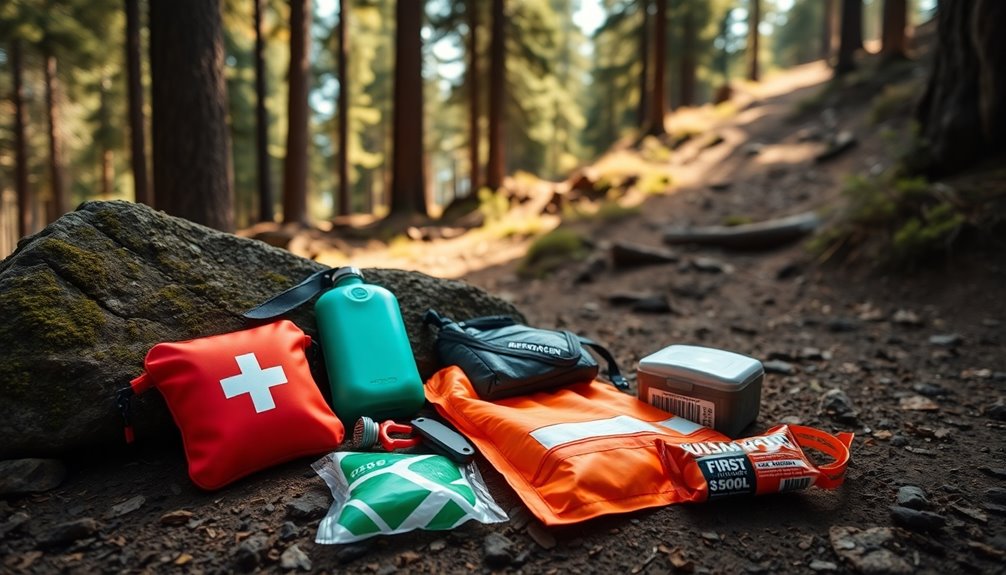

If you’re serious about safety during your runs, having a well-stocked runner emergency kit is essential. The Adventure Medical Kit Ultralight/Watertight .9 stands out as the best overall for its versatility and capacity, while the Advanced Blister Kit is ideal for preventing foot injuries. The Drankful Patch Up Pack offers quick blister treatment, and the Code Brown Bag focuses on hygiene. Readers face the challenge of balancing weight, comprehensiveness, and ease of use. Continue reading for a detailed breakdown of these top picks and what makes each unique.
Complete the kit


Key Takeaways
- The best runner emergency kits balance weight and contents to avoid burdening runners while providing essential supplies.
- Blister prevention and treatment are the most common priorities, with several kits dedicated to foot care.
- Waterproof and ultralight designs are favored for outdoor runners, but may limit the number of included supplies.
- Hygiene and waste management are often overlooked but critical for longer runs or multi-day trips.
- Higher-priced kits tend to offer more comprehensive coverage, but basic models can suffice for casual runners.
| Advanced Blister Kit (18 Pc. Set) |  | Best Blister Protection | Piece count: 18 pieces | Primary purpose: Foot blister prevention and treatment | Coverage areas: Toes, heels, and arches | VIEW ON AMAZON | See Our Full Breakdown |
| Adventure Medical Kit Ultralight/Watertight Medical Kit .5 |  | Best Overall | Group capacity: Up to 2 people | Trip duration: Up to 2 days | Inner storage: Reusable waterproof DryFlex bag | VIEW ON AMAZON | See Our Full Breakdown |
| Drankful Patch Up Pack |  | Best Minimalist Blister Backup | Supply count: 7 treatment and cleaning items | Blister bandages: 2 hydrocolloid gel bandages | Hotspot protection: 1 adhesive moleskin pad | VIEW ON AMAZON | See Our Full Breakdown |
| Drankful Code Brown Bag |  | Best Bathroom Emergency Kit | Format: Single-use emergency bathroom kit | Item count: 8 items | Bathroom wipes: 3 flushable butt napkins | VIEW ON AMAZON | See Our Full Breakdown |
| Adventure Medical Kit Ultralight/Watertight Medical Kit .9 |  | Best for Remote Group Runs | Group capacity: Up to 4 people | Trip duration: Up to 4 days | Inner storage: Reusable waterproof DryFlex bag | VIEW ON AMAZON | See Our Full Breakdown |
| There Will be Blood, MUD, & CRUD Kit, Portable First Aid Kit, Pocket-Sized, Emergency Essentials, for On-The-Go, Perfect for Trail Running, Camping, Hiking, Outdoors |  | Best Compact Emergency First Aid Kit for Trail Runners | Weight: 1.5 oz | Contents: 5 bandages, gauze pad, antiseptic towelettes, alcohol prep pad, soothing wipes, sunscreen packets, hand sanitizing wipe | Size: Pocket-sized | VIEW ON AMAZON | See Our Full Breakdown |
| Adventure Medical Kit Ultralight/Watertight Medical Kit .7 – Up to 3 People, Up to 3 Days – Includes Bandages, Blister Essentials & More |  | Best for Extended Outdoor Adventures with Water-Resistant Design | Weight: Approx. 7 oz | Capacity: Up to 3 people, 3 days | Waterproof: Yes, DryFlex bag | VIEW ON AMAZON | See Our Full Breakdown |
More Details on Our Top Picks
Advanced Blister Kit (18 Pc. Set)
I rank the Advanced Blister Kit as the best dedicated foot-care pick because its 18-piece mix addresses hotspots, active blisters, toes, heels, and arches without taking over a running vest. The gel toe sleeves, anti-friction patches, and blister plasters give it broader foot-specific coverage than the Drankful Patch Up Pack, which carries only two hydrocolloid bandages and one moleskin pad. I also favor its high-visibility pouch and belt or carabiner loop for quick access during a race or hike. Its narrow focus is the main compromise: unlike the Adventure Medical Kit .5, it does not list gauze, medications, antiseptic care, or tools for splinters and other injuries. Choose this when feet are the likely failure point; carry separate first-aid supplies when the route is remote.
Pros:- Multiple formats cover toes, heels, arches, hotspots, and active blisters
- 18-piece selection offers more foot-care flexibility than minimalist kits
- Compact high-visibility pouch is easier to locate inside a crowded pack
- Belt and carabiner loop support quick external access
Cons:- Does not replace a general first-aid kit
- No listed antiseptic wipes, gauze, medications, or injury tools
- More components than a minimalist runner may need for a short supported race
Best for: I recommend this for distance runners, hikers, and athletes prone to recurring toe, heel, or arch blisters.
Not ideal for: I would skip this as a sole emergency kit on remote routes because it lacks broad wound and trauma supplies.
- Piece count:18 pieces
- Primary purpose:Foot blister prevention and treatment
- Coverage areas:Toes, heels, and arches
- Protection types:Gel toe sleeves, anti-friction patches, and blister plasters
- Pouch:Soft, durable, high-visibility storage pouch
- Attachment points:Belt loop and carabiner loop
- Pack format:Compact and lightweight
- Listed activities:Running, hiking, travel, hockey, soccer, and golf
Our verdict“I would choose this for the lineup’s widest dedicated blister coverage, but not as my only emergency kit.”
Adventure Medical Kit Ultralight/Watertight Medical Kit .5
I rank the Adventure Medical Kit Ultralight/Watertight .5 as Best Overall for most solo runners because it covers problems that can end an outing: cuts, blisters, stings, splinters, aches, and minor wounds. Its waterproof DryFlex inner bag and water-resistant outer shell provide better weather defense than the soft pouch supplied with the Advanced Blister Kit. The .5 also stays more runner-friendly than the larger Adventure Medical Kit .9, whose four-person, four-day scope suits group or remote use. I see two limits: the two-person, two-day load may still feel excessive for a short road race, yet it lacks the .9’s listed trauma support for bleeding, fractures, and sprains. This is the lineup’s best balance of breadth and packability, but remote runners should match the contents to route risk.
Pros:- Balances blister care, wound treatment, medications, and small injury tools
- Waterproof DryFlex inner bag protects supplies from rain and sweat
- Side-pocket-friendly format keeps treatment supplies accessible
- Two-person, two-day rating suits many running and hiking outings
Cons:- Less trauma-oriented than the Adventure Medical Kit .9
- Broader inventory may be unnecessary for short supported road races
- Die-cut moleskin offers less specialized foot coverage than the Advanced Blister Kit
Best for: I recommend this for solo runners or pairs who need broad first-aid coverage for day runs and short weekend routes.
Not ideal for: I would skip this for larger groups or remote multi-day trips that call for greater capacity and trauma-oriented supplies.
- Group capacity:Up to 2 people
- Trip duration:Up to 2 days
- Inner storage:Reusable waterproof DryFlex bag
- Outer storage:Water-resistant bag with durable water-repellent finish
- Blister treatment:Die-cut moleskin
- Wound supplies:Bandages, gauze, antiseptic wipes, antibiotic ointment, and alcohol swabs
- Additional supplies:Medication, insect-sting relief, splinter picker, and safety pin
- Care scope:Wounds, blisters, muscle aches, and common outdoor discomforts
- Pack placement:Designed to fit a pack side pocket
Our verdict“I would pick the .5 for the most practical blend of weather protection, injury coverage, and runner-friendly capacity.”
Drankful Patch Up Pack
I give the Drankful Patch Up Pack the Best Minimalist Blister Backup role because its seven supplies cover one simple sequence: clean the skin, protect a hotspot, or cushion an active blister. Two hydrocolloid bandages and one moleskin pad offer more treatment choice than carrying loose plasters, while the antiseptic and alcohol wipes make application less improvised. Compared with the Advanced Blister Kit, though, it has far less sizing and placement flexibility; that 18-piece set can protect toes, heels, and arches with several material types. It is also much narrower than the Adventure Medical Kit .5, with no listed gauze, medication, sting relief, or splinter tool. I rank this highest for small pockets and short, supported routes, not multi-day self-sufficiency. The resealable pouch is convenient, but a blister-heavy outing could use much of the kit.
Pros:- Pocket-sized pouch fits running vests, shorts, and hydration-pack pockets
- Combines hotspot prevention, blister cushioning, and skin-cleaning supplies
- Hydrocolloid bandages create a protective barrier over active blisters
- Resealable packaging keeps the small components organized
Cons:- Only two hydrocolloid bandages and one moleskin pad are included
- Offers much less foot-specific flexibility than the 18-piece Advanced Blister Kit
- No general wound supplies, medication, or injury tools
Best for: I recommend this for trail runners and race-day minimalists who want basic blister treatment in a shorts or vest pocket.
Not ideal for: I would skip this for blister-prone ultrarunners or unsupported outings because its limited quantities can be depleted quickly.
- Supply count:7 treatment and cleaning items
- Blister bandages:2 hydrocolloid gel bandages
- Hotspot protection:1 adhesive moleskin pad
- Cleaning supplies:2 antiseptic towelettes
- Preparation supplies:2 alcohol prep pads
- Primary purpose:Blister prevention and treatment
- Packaging:Slim resealable pouch
- Listed carry locations:Trail vest, shorts pocket, hydration pack, or travel bag
Our verdict“I would carry this on supported runs where pocket space matters more than treatment depth.”
Drankful Code Brown Bag
I assign the Drankful Code Brown Bag the Best Bathroom Emergency Kit role because it handles a runner problem the medical kits largely ignore. Three butt napkins, cleansing wipes, a hand-sanitizing wipe, anti-chafe ointment, and a disposal bag form a single-use cleanup sequence that fits a vest or shorts pocket. Compared with There Will Be Blood, MUD, & CRUD Kit, this pick is more specifically organized around toileting and pack-out hygiene; compared with Adventure Medical Kit .5, it offers almost no injury care. That sharp focus is both its reason for ranking and its limitation. I favor the inclusion of a waste bag, since outdoor users should pack used materials out rather than rely on the flushable label. It belongs beside a first-aid kit, not in place of one, and repeat emergencies require multiple sealed packs.
Pros:- Addresses toileting emergencies that standard first-aid kits overlook
- Includes a disposal bag for responsible pack-out
- Anti-chafe ointment adds value during long-distance outings
- Single-use sealed format fits a running vest or shorts pocket
Cons:- Provides almost no medical injury coverage
- Single-use format requires replacement after one emergency
- Three napkins may be inadequate for a more involved cleanup
Best for: I recommend this for runners with gastrointestinal concerns, remote trail access, or long race segments without toilets.
Not ideal for: I would skip this as a primary safety kit because it provides no listed bandages, blister dressings, or trauma supplies.
- Format:Single-use emergency bathroom kit
- Item count:8 items
- Bathroom wipes:3 flushable butt napkins
- Cleansing supplies:2 antiseptic cleansing towelettes
- Hand hygiene:1 hand-sanitizing wipe
- Friction care:1 anti-chafing ointment packet
- Waste handling:1 disposable waste bag
- Skin-care ingredients:Vitamin E, aloe vera, and botanical extracts
- Listed carry locations:Running vest, hydration pack, shorts pocket, glovebox, or travel bag
Our verdict“I would add this to a runner’s medical kit when bathroom access is uncertain, but I would never carry it alone.”
Adventure Medical Kit Ultralight/Watertight Medical Kit .9
I rank the Adventure Medical Kit Ultralight/Watertight .9 as Best for Remote Group Runs because its stated four-person, four-day capacity and broader treatment scope fit outings where help may be distant. Compared with Adventure Medical Kit .5, the .9 adds listed support for bleeding, fractures, and sprains, plus an irrigation syringe and wider gauze selection; it also steps beyond the .7’s three-person, three-day positioning. That makes it more adaptable when several runners may draw from the same bag. The tradeoff is focus: a solo road runner carries capacity and trauma-oriented contents that may never leave the pack, while its moleskin is less specialized than the Advanced Blister Kit’s toe sleeves, patches, and plasters. I value the waterproof DryFlex inner bag on exposed routes. Still, four-person capacity is not unlimited depth; groups should check quantities against route length and known needs.
Pros:- Four-person, four-day rating is the largest stated capacity in this batch
- Adds listed care for bleeding, fractures, and sprains
- Waterproof inner bag protects supplies during wet outings
- Irrigation syringe and varied gauze support more involved wound care
Cons:- Broader group inventory is poorly matched to minimalist solo racing
- Blister care is less specialized than the Advanced Blister Kit
- Shared supplies may still run short if several group members need the same treatment
Best for: I recommend this for run leaders, relay teams, and small groups traveling for several days on wet or remote routes.
Not ideal for: I would skip this for solo road racers who prioritize the smallest possible load and have frequent aid-station access.
- Group capacity:Up to 4 people
- Trip duration:Up to 4 days
- Inner storage:Reusable waterproof DryFlex bag
- Outer storage:Water-resistant bag with durable water-repellent finish
- Care scope:Common injuries, bleeding, fractures, and sprains
- Wound supplies:Bandages, gauze, antiseptic wipes, and antibiotic ointment
- Blister treatment:Die-cut moleskin
- Treatment tools:Irrigation syringe and cotton-tip applicators
- Additional supplies:Medication and insect-sting relief
Our verdict“I would choose the .9 for remote group coverage, while solo runners will usually find the smaller .5 more proportionate.”
There Will be Blood, MUD, & CRUD Kit, Portable First Aid Kit, Pocket-Sized, Emergency Essentials, for On-The-Go, Perfect for Trail Running, Camping, Hiking, Outdoors
This ultra-lightweight first aid kit stands out for its minimal size and weight, making it ideal for trail runners who prioritize mobility. At just 1.5 ounces, it easily slips into a vest pocket or pack without adding bulk, unlike larger kits like the Adventure Medical Kit Ultralight/Watertight .7, which offers more comprehensive supplies but sacrifices portability. This kit is perfect for handling minor cuts, scrapes, and irritation quickly on the trail, with essentials like bandages, antiseptic wipes, and soothing wipes. However, its limited contents mean it’s not suitable for more serious injuries or multi-day trips. Tradeoffs involve sacrificing extensive supplies for lightweight convenience.
Pros:- Extremely lightweight and compact, fitting easily into any running vest or pack
- Contains essential first aid supplies to treat minor injuries quickly
- Hygiene-ready with antiseptic and soothing wipes to prevent infections
Cons:- Limited to minor injuries; not suitable for serious wounds or fractures
- Few supplies for extended or multiple injuries, requiring additional gear for longer trips
Best for: Trail runners, hikers, or campers who need a lightweight, on-the-go first aid solution for minor injuries.
Not ideal for: Backcountry adventurers on multi-day expeditions who require more comprehensive first aid supplies and durability.
- Weight:1.5 oz
- Contents:5 bandages, gauze pad, antiseptic towelettes, alcohol prep pad, soothing wipes, sunscreen packets, hand sanitizing wipe
- Size:Pocket-sized
- Ideal Use:Trail running, hiking, camping
- Material:Ultralight pouch
- Suitability:Minor injuries and quick field treatment
Our verdict“This kit is perfect for trail runners and hikers who want quick access to basic first aid without added weight.”
Adventure Medical Kit Ultralight/Watertight Medical Kit .7 – Up to 3 People, Up to 3 Days – Includes Bandages, Blister Essentials & More
This ultralight medical kit is a strong choice for multi-day outings where weather resilience matters. Its waterproof DryFlex bag and water-resistant outer shell offer an advantage over less protected options like the pocket-sized kit, especially in wet conditions. It includes a comprehensive set of supplies—bandages, gauze, medications, and blister treatments—making it suitable for up to three people for three days. Compared to the smaller, more minimalist options, this kit sacrifices some portability for durability and expanded content, but it’s still lightweight enough to carry comfortably. The tradeoff involves balancing added weight and bulk against increased protection and supplies.
Pros:- Waterproof DryFlex bag keeps supplies dry in wet conditions
- Includes extensive supplies for wounds, blisters, and insect stings
- Suitable for up to 3 people over 3 days, ideal for small groups or families
Cons:- Larger and heavier than pocket-sized options, reducing convenience for ultra-light travel
- More expensive than basic kits, which might be overkill for very short or solo trips
Best for: Hikers, bikers, or climbers who need a durable, waterproof kit capable of handling multiple injuries over several days.
Not ideal for: Trail runners or ultralight backpackers seeking minimal gear, as this kit is slightly bulkier despite its lightweight design.
- Weight:Approx. 7 oz
- Capacity:Up to 3 people, 3 days
- Waterproof:Yes, DryFlex bag
- Contents:Bandages, gauze, medications, blister pads, insect sting relief
- Material:Water-resistant outer shell
- Ideal Use:Multi-day hiking, biking, climbing
Our verdict“This kit is best suited for outdoor enthusiasts who need a durable, water-resistant solution for multi-day trips with multiple people.”
How We Picked
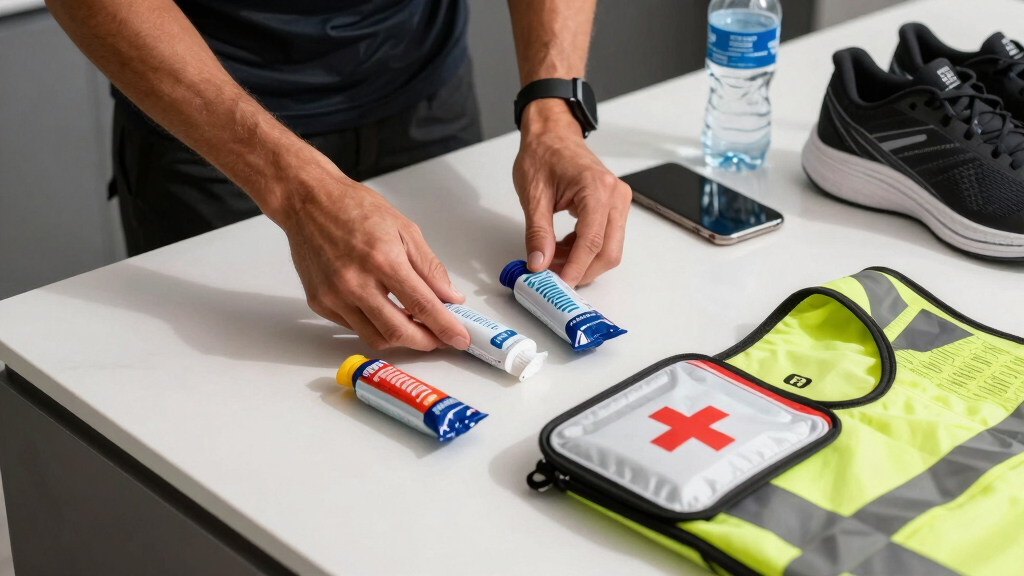
I evaluated each runner emergency kit based on key factors such as portability, comprehensiveness, durability, ease of use, and suitability for different types of runs. Kits that balanced lightweight design with essential supplies ranked higher, as runners need to carry gear without added fatigue. I also considered user reviews, brand reputation, and specific features like waterproofing and specialized contents. The final ranking reflects the overall value and practicality for a variety of running scenarios, from short training runs to multi-day adventures.Factors to Consider When Choosing Runner Emergency Kits
Selecting the right runner emergency kit involves understanding your specific needs, run length, and environment. A kit too heavy or overstocked can weigh you down, while one too sparse might leave you unprepared. Consider the types of injuries most common during your runs and choose a kit that addresses those scenarios effectively. Durability and ease of access are equally important, especially if you need to grab supplies quickly. The right kit should complement your running routine without adding unnecessary bulk or complexity.Size and Weight
For runners, the primary concern is minimizing added weight while ensuring access to vital supplies. A compact, lightweight kit can comfortably fit in a running vest or belt, making it less of a burden during long or fast-paced runs. Larger kits may be suitable for multi-day trips or trail runs in remote areas but can be overkill for casual jogs. Striking a balance between capacity and portability is key to making your kit effective without sacrificing performance.
Contents and Coverage
Look for kits that prioritize blisters, cuts, and minor injuries, which are the most common issues for runners. Some include specialized items like blister pads, antiseptic wipes, or anti-chafe ointments, which can make a big difference. Avoid overstocked kits that include unnecessary supplies, as they add weight and complexity. Instead, choose one that offers core items with optional add-ons for longer or more challenging runs.
Durability and Waterproofing
Outdoor runners should seek waterproof or water-resistant kits to prevent damage from sweat, rain, or splashes. A durable case or bag ensures contents stay intact and sterile, especially if you’re running in unpredictable weather. Cheaper, flimsy containers may leak or break, compromising your supplies when you need them most. Prioritizing waterproofing can extend the lifespan of your kit and keep your supplies accessible in emergencies.
Ease of Access
Quick access to supplies is critical during a run. Look for kits with clearly organized compartments, easy-open closures, and contents arranged for fast retrieval. Kits that require unzipping or digging through layers can waste valuable seconds in an emergency. Consider how you’ll carry or attach the kit—clip-on pouches or belt-mounted options often provide the quickest access while on the move.
Price and Value
Higher-priced kits tend to offer more comprehensive coverage with better-quality supplies, which can be worthwhile for serious or multi-day runners. Budget options may cover essential needs but might lack durability or specialized items, making them suitable for casual or short-distance runners. Always weigh the cost against the potential benefits, and consider whether an upgrade might provide peace of mind during your runs.
Frequently Asked Questions
Should I carry a full first aid kit on every run?
For most runners, a smaller, tailored emergency kit focusing on blisters, cuts, and basic hygiene is sufficient for daily training. Full first aid kits are generally unnecessary unless you’re venturing into remote areas or participating in ultra-distance events. Carrying only what you’re likely to need helps keep weight down while ensuring you’re prepared for common issues. If your runs are in urban or familiar parks, a minimal kit usually suffices, but always consider your personal needs and the environment.
How do I choose the right size of kit for my runs?
The ideal size depends on the length and environment of your runs. Short, city-based runs typically require a small, lightweight kit with essential blister pads and antiseptic wipes. Longer trail runs or multi-day excursions benefit from larger kits with additional supplies like anti-chafe ointments and water treatment. Always prioritize portability—if the kit feels cumbersome, it’s unlikely you’ll carry it consistently. Balance your needs with comfort and convenience.
Are waterproof kits necessary for urban runners?
While waterproof kits are most beneficial for outdoor or trail runners exposed to rain, they can also offer extra protection for urban runners in case of sudden weather changes. A waterproof case ensures your supplies stay dry and sterile, which is especially important if you rely on certain items like antiseptic wipes or blister pads. For purely urban or indoor runs, simpler water-resistant pouches may suffice, but waterproofing adds an extra layer of reliability.
What’s the difference between blister prevention and blister treatment kits?
Blister prevention kits typically include items like moleskin pads, anti-friction tape, and protective barriers designed to stop blisters from forming during the run. Blister treatment kits focus on addressing existing blisters with bandages, pads, and antiseptics to prevent infection and promote healing. Depending on your running style and foot health, you might prefer a kit that combines both functions or opt for separate specialized supplies. Regular use of prevention items can significantly reduce discomfort and injury.
Is it worth investing in a premium emergency kit?
Premium kits often feature higher-quality, more durable supplies and a wider range of specialized items, making them well-suited for serious or long-distance runners. They tend to last longer and offer better organization, which can save precious seconds during emergencies. However, for casual runners or those doing short runs, a basic kit with essential items may provide sufficient protection at a lower cost. Consider your typical running conditions and how much peace of mind you want to have when making your choice.
Conclusion
For casual runners or city-based joggers, a compact, easy-to-access kit like the Drankful Patch Up Pack offers essential blister care without added weight. Serious trail runners or multi-day adventurers should consider the Adventure Medical Kit Ultralight/Watertight .9 for its comprehensive coverage and durability. Beginners benefit from simple, user-friendly options, while experienced outdoor athletes may opt for premium kits with waterproofing and extensive supplies. Ultimately, choosing the right kit depends on your typical running environment, distance, and personal safety priorities — select one that complements your routine and gives you confidence on every run.