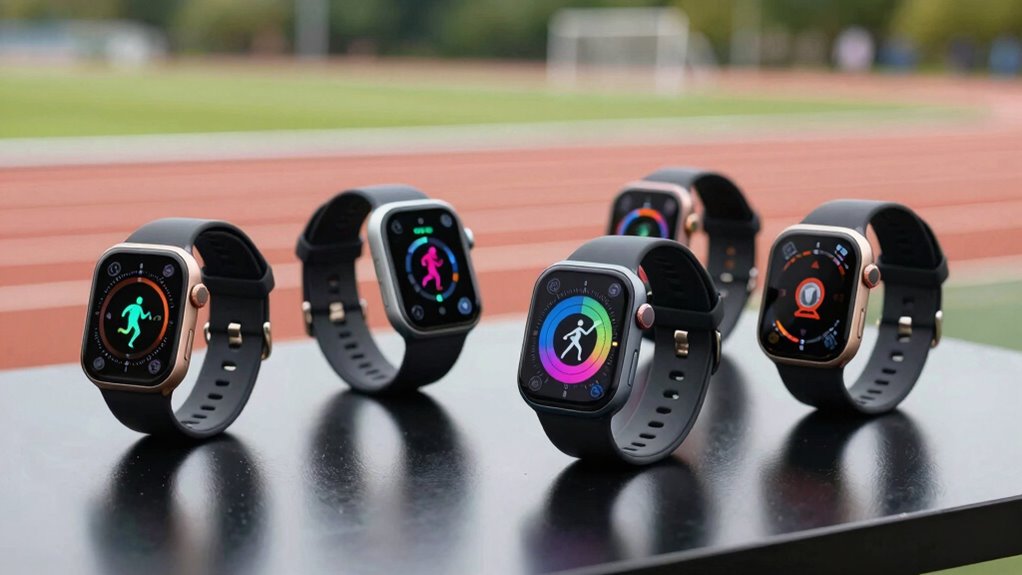

If you’re searching for a smartwatch for runners, you’re looking for a device that balances accurate tracking, durability, and ease of use. The Garmin Forerunner 265 stands out as the best overall choice thanks to its advanced sensors and user-friendly interface. The Garmin Forerunner 55 offers excellent value for beginners, while the Garmin Forerunner 970 caters to serious athletes needing premium features. The main challenge in this category is choosing between a device that offers robust training tools and one that prioritizes simplicity and affordability. Keep reading for a detailed breakdown of these options and how to pick the right one for your running style.
Open a free Amazon Business account
Business pricing, bulk buying and tax-exempt orders.
Create a free accountAs an affiliate, we earn on qualifying purchases.
Complete the kit


Key Takeaways
- The top models combine precise GPS tracking with long battery life, essential for longer runs.
- There’s a clear tradeoff between feature-rich watches for advanced training and simpler models for casual runners.
- Size and comfort vary significantly; larger watches may suit serious athletes, while smaller ones appeal to casual users.
- Pricing spans a broad range, so higher cost often correlates with more sophisticated health metrics and training tools.
- Durability and water resistance are critical for runners who train outdoors in different weather conditions.
| Garmin Forerunner 165 Running Smartwatch, 43mm, Black |  | Best Overall for Versatile Runners | Size: 43 mm | Display: AMOLED touchscreen | Battery Life: Up to 11 days in smartwatch mode, 19 hours in GPS mode | VIEW ON AMAZON | See Our Full Breakdown |
| Garmin Forerunner 265 Running Smartwatch, 46mm, Black/Powder Gray |  | Best for Versatile Athletes and Extended Use | Display: AMOLED touchscreen | Size: 46 mm | Battery Life: Up to 13 days in smartwatch mode, 20 hours in GPS mode | VIEW ON AMAZON | See Our Full Breakdown |
| Garmin Forerunner 55 GPS Running Watch with Daily Suggested Workouts | 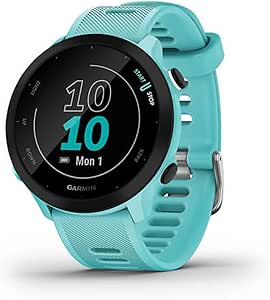 | Best for Beginners and Budget-Conscious Runners | Battery Life: up to 2 weeks in smartwatch mode; up to 20 hours in GPS mode | Heart Rate Monitoring: Yes (not medical device) | GPS: Yes | VIEW ON AMAZON | See Our Full Breakdown |
| Garmin Forerunner 970, 47mm, Carbon Gray DLC Titanium, Black/Whitestone |  | Best Premium for Serious Runners and Triathletes | Display: AMOLED touchscreen | Size: 47 mm | Material: Carbon Gray DLC Titanium | VIEW ON AMAZON | See Our Full Breakdown |
| Garmin Forerunner 570, 42mm, Aluminum, Black |  | Best Compact for Smaller Wrists and Everyday Use | Size: 42 mm | Display: AMOLED touchscreen | Battery Life: Up to 10 days in smartwatch mode, 18 hours in GPS mode | VIEW ON AMAZON | See Our Full Breakdown |
| Garmin Forerunner 70, 43mm, Black |  | Best Overall for Simplicity and Battery Life | Size: 43mm | Display: AMOLED touchscreen | Battery Life: Up to 13 days in smartwatch mode, 23 hours in GPS mode | VIEW ON AMAZON | See Our Full Breakdown |
| Garmin vívoactive® 6, Health & Fitness GPS Smartwatch, 42mm, Slate |  | Best for Versatile Fitness Monitoring and Daily Use | Size: 42mm | Display: AMOLED | Battery Life: Up to 11 days | VIEW ON AMAZON | See Our Full Breakdown |
| Garmin Forerunner 55 GPS Running Watch (Renewed) |  | Best for Budget-Friendly Runners and Beginners | Battery Life: Up to 2 weeks in smartwatch mode, 20 hours in GPS mode | Features: GPS tracking, heart rate, activity profiles, customizable watch faces | Compatibility: Garmin Connect, Connect IQ | VIEW ON AMAZON | See Our Full Breakdown |
| Garmin Forerunner 965 Running Smartwatch, 47mm, Black/Powder Gray |  | Best Premium for Advanced Runners and Multisport Athletes | Size: 47mm | Display: AMOLED touchscreen | Battery Life: Up to 23 days in smartwatch mode, 31 hours in GPS mode | VIEW ON AMAZON | See Our Full Breakdown |
| smartwatch for runner | Size | Battery Life | Display | Features |
|---|---|---|---|---|
| Garmin Forerunner 165 Running | 43 mm | Up to 11 days in smartwatch mode, 19 hours in GPS mode | AMOLED touchscreen | — |
| Garmin Forerunner 265 Running | 46 mm | Up to 13 days in smartwatch mode, 20 hours in GPS mode | AMOLED touchscreen | — |
| Garmin Forerunner 55 GPS Runni | 42 mm | up to 2 weeks in smartwatch mode; up to 20 hours in GPS mode | — | PacePro, race predictions, wellness tracking, customizable watch faces |
| Garmin Forerunner 970 | 47 mm | Up to 15 days smartwatch, 26 hours GPS | AMOLED touchscreen | Built-in LED flashlight, full-color maps, multisport auto-transition, wrist-based running dynamics |
| Garmin Forerunner 570 | 42 mm | Up to 10 days in smartwatch mode, 18 hours in GPS mode | AMOLED touchscreen | Training plans, training readiness score, safety and tracking features |
| Garmin Forerunner 70 | 43mm | Up to 13 days in smartwatch mode, 23 hours in GPS mode | AMOLED touchscreen | Built-in GPS, wrist-based heart rate, sleep and recovery insights, safety tracking |
| Garmin vívoactive® 6 | 42mm | Up to 11 days | AMOLED | — |
| Garmin Forerunner 55 GPS Runni | 47mm | Up to 2 weeks in smartwatch mode, 20 hours in GPS mode | — | GPS tracking, heart rate, activity profiles, customizable watch faces |
| Garmin Forerunner 965 Running | 47mm | Up to 23 days in smartwatch mode, 31 hours in GPS mode | AMOLED touchscreen | Built-in maps, running dynamics, HRV monitoring |
More Details on Our Top Picks
Garmin Forerunner 165 Running Smartwatch, 43mm, Black
The Garmin Forerunner 165 stands out for its bright AMOLED display, long battery life, and comprehensive activity tracking, making it a top choice for runners who want a reliable, feature-rich device. Compared to the Forerunner 970, it offers a lighter design and extended battery life in smartwatch mode, though it lacks some of the advanced mapping and multisport features. Its safety features like incident detection add peace of mind, but some functionalities require a paired smartphone, which could be a drawback for those seeking complete independence. Overall, this watch balances performance with accessibility, suitable for serious runners who prefer a straightforward experience without the premium cost of titanium or full mapping capabilities.
Pros:- Bright AMOLED display with easy-to-use controls
- Long battery life suitable for extended workouts
- Personalized training plans and activity tracking
- Safety features like incident detection and live location sharing
Cons:- Requires smartphone for smart notifications and safety features
- Limited to Garmin Pay supported countries and networks
Best for: Serious runners who want a feature-packed, user-friendly smartwatch with reliable safety features and long battery life.
Not ideal for: Runners who need detailed navigation or multisport auto-transition without carrying a phone, as these features are limited or require additional setup.
- Size:43 mm
- Display:AMOLED touchscreen
- Battery Life:Up to 11 days in smartwatch mode, 19 hours in GPS mode
- Built-in Activity Profiles:25+ including running, cycling, HIIT, strength
- Safety Features:Incident detection, Assistance
- Payment:Garmin Pay contactless payments
Our verdict“This watch offers a balanced mix of core running features and safety, making it ideal for dedicated runners seeking simplicity and performance.”
Garmin Forerunner 265 Running Smartwatch, 46mm, Black/Powder Gray
The Garmin Forerunner 265 offers a larger, 46mm AMOLED touchscreen with a traditional button interface, providing a more versatile training experience. It excels in battery life, lasting up to 13 days in smartwatch mode, and supports a broad range of activities—over 30 profiles—including triathlon and swimming—making it ideal for multi-sport athletes. Compared to the Forerunner 165, it delivers more advanced health metrics and multi-band GNSS, but at a higher price point, which might be a barrier for casual runners. Its safety features and Garmin Pay add convenience, though some functions depend on a paired smartphone. This model suits athletes who want detailed insights and multi-sport flexibility without sacrificing battery longevity.
Pros:- Bright AMOLED display with intuitive controls
- Extended battery life suitable for multi-day events
- Comprehensive health and training insights
- Multiple activity profiles including triathlon and swimming
Cons:- Requires smartphone for some safety features
- May be expensive for casual or beginner runners
Best for: Multi-sport athletes and those who prioritize detailed metrics and extended battery life in a stylish design.
Not ideal for: Casual runners on a tight budget or those who prefer a smaller, lighter watch, as the 46mm size may feel bulky for smaller wrists.
- Display:AMOLED touchscreen
- Size:46 mm
- Battery Life:Up to 13 days in smartwatch mode, 20 hours in GPS mode
- Activity Profiles:30+ including running, triathlon, cycling, swimming
- Safety Features:Incident detection, Assistance
- Technology:Multi-band GNSS with SatIQ
Our verdict“This model is best suited for dedicated multi-sport athletes seeking advanced metrics and long-lasting battery performance.”
Garmin Forerunner 55 GPS Running Watch with Daily Suggested Workouts
The Garmin Forerunner 55 emphasizes simplicity and affordability, making it a strong option for new runners or those on a budget. Its straightforward GPS tracking, heart rate monitoring, and daily workout suggestions help users build consistent routines without overwhelming features. While it doesn’t have the extensive multisport modes or ultra-long battery life of higher-end models like the Forerunner 265, it provides accurate basic metrics and wellness tracking. The limited customization options and lack of advanced navigation features mean it’s best for runners who want core functionality at a lower price, rather than a device packed with bells and whistles.
Pros:- Long battery life in smartwatch mode
- Includes advanced training and wellness features
- Customizable with watch faces and apps
Cons:- Heart rate monitor is not medical-grade
- Limited to Garmin ecosystem for customization
- No detailed mapping or multisport auto-transition
Best for: Beginners or casual runners seeking an easy-to-use, budget-friendly GPS watch with useful training guidance.
Not ideal for: Advanced athletes or multisport enthusiasts who need detailed metrics, custom courses, or extensive activity profiles, as these are limited or absent.
- Battery Life:up to 2 weeks in smartwatch mode; up to 20 hours in GPS mode
- Heart Rate Monitoring:Yes (not medical device)
- GPS:Yes
- Activity Profiles:Running, cycling, track run, virtual run, pool swim, Pilates, HIIT, breathwork
- Features:PacePro, race predictions, wellness tracking, customizable watch faces
- Size:42 mm
Our verdict“A solid entry-level GPS running watch that supports new runners with essential features and affordable pricing.”
Garmin Forerunner 970, 47mm, Carbon Gray DLC Titanium, Black/Whitestone
The Garmin Forerunner 970 combines luxury materials like titanium and sapphire with top-tier features, appealing to competitive runners and triathletes. Its bright AMOLED display, full-color maps, multi-band GPS, and built-in LED flashlight support advanced navigation and training optimization. Compared with the Forerunner 165, it offers more precise mapping, multisport auto-transition, and wrist-based running dynamics, but at a significantly higher cost. The device’s 15-day battery life in smartwatch mode and 26 hours in GPS mode make it suitable for long races or multi-day training camps, though the premium build may be too costly for casual users. This watch is ideal for athletes who demand the best in durability, navigation, and detailed performance insights.
Pros:- Bright AMOLED display with easy control
- Full-color maps and multi-band GPS for precise navigation
- Advanced health and running metrics
- Premium titanium and sapphire build
Cons:- High cost limits accessibility for casual users
- ECG app not available everywhere, and some features require separate HRM 600
- Heavy premium materials may be overkill for casual wear
Best for: Elite runners and triathletes seeking a premium, durable watch with advanced navigation and training features.
Not ideal for: Casual runners or those with smaller wrists, as the 47mm size and high price may be incompatible or unnecessary.
- Display:AMOLED touchscreen
- Size:47 mm
- Material:Carbon Gray DLC Titanium
- Battery Life:Up to 15 days smartwatch, 26 hours GPS
- Features:Built-in LED flashlight, full-color maps, multisport auto-transition, wrist-based running dynamics
- Connectivity:Multi-band GPS, ECG app
Our verdict“This watch is designed for dedicated athletes demanding top-tier navigation, durability, and detailed analytics, regardless of cost.”
Garmin Forerunner 570, 42mm, Aluminum, Black
The Garmin Forerunner 570 offers a smaller, 42mm size with an AMOLED touchscreen and easy button controls, making it an excellent choice for runners with smaller wrists or those seeking a discreet, stylish device. Its 10-day battery life balances daily wear and training needs, while advanced training metrics and recovery insights help optimize performance. Compared to the Forerunner 165, it provides similar core features but in a more compact package suited for smaller wrists. However, its advanced features require initial setup and smartphone pairing, and some metrics are estimations, which could impact accuracy for serious training. This watch makes the most sense for runners who want a smaller, attractive device without sacrificing essential performance metrics.
Pros:- Bright AMOLED display with intuitive controls
- Lightweight and stylish design
- Good battery life for daily use
- Personalized training and safety features
Cons:- Too small for users with larger wrists
- Advanced training features need setup and smartphone pairing
- Some metrics are estimated and less precise
Best for: Runners with smaller wrists or those preferring a lightweight, stylish watch for everyday training and wellness tracking.
Not ideal for: Athletes needing extensive multisport modes or mapping capabilities, as these are limited or absent in this compact model.
- Size:42 mm
- Display:AMOLED touchscreen
- Battery Life:Up to 10 days in smartwatch mode, 18 hours in GPS mode
- Features:Training plans, training readiness score, safety and tracking features
- Material:Aluminum
Our verdict“This smaller, stylish watch is perfect for runners who prioritize comfort and aesthetics without sacrificing core training features.”
Garmin Forerunner 70, 43mm, Black
This model stands out for its user-friendly interface and impressive battery life, making it ideal for runners who want reliable tracking without fuss. Compared to the Garmin Forerunner 965, it sacrifices some advanced features like built-in maps and multi-band GPS, but for most recreational runners, this tradeoff keeps things simple and affordable. The AMOLED display offers vibrant visuals, though it can impact battery longevity slightly, especially with frequent use. Its safety features like live location sharing are useful but require pairing with a smartphone, which might be a limitation for those seeking standalone safety tools. Overall, this pick makes the most sense for runners who prioritize long-lasting battery performance and straightforward activity tracking over advanced navigation and multi-sport features.
Pros:- Lightweight and comfortable for extended wear
- Up to 13 days of battery life, ideal for multi-day training
- Comprehensive health and activity insights
Cons:- Requires smartphone for safety features and live location sharing
- AMOLED display may drain battery faster with frequent use
Best for: Runners who want a lightweight, easy-to-use watch with excellent battery life and core health features.
Not ideal for: Athletes needing advanced mapping, multi-sport profiles, or standalone safety features without smartphone dependency.
- Size:43mm
- Display:AMOLED touchscreen
- Battery Life:Up to 13 days in smartwatch mode, 23 hours in GPS mode
- Features:Built-in GPS, wrist-based heart rate, sleep and recovery insights, safety tracking
- Activity Profiles:80+
- Safety Features:Live location sharing (requires smartphone)
Our verdict“A solid choice for runners seeking simplicity, long-lasting battery, and core fitness tracking in a lightweight design.”
Garmin vívoactive® 6, Health & Fitness GPS Smartwatch, 42mm, Slate
This watch makes an excellent choice for those who want a broader focus on health and fitness beyond running, thanks to its extensive monitoring and over 80 sports modes. In comparison with the Garmin Forerunner 70, it offers a brighter AMOLED display and smart features like notifications and music storage, which enhance daily convenience. However, it lacks specific water resistance details, which could be a concern for swimmers or those caught in the rain regularly. Its long battery life of up to 11 days supports frequent workouts and daily health tracking without constant charging. While it isn’t as focused on dedicated running metrics as the Forerunner series, it excels at providing a holistic view of overall wellness and activity, making it ideal for active users with diverse fitness needs.
Pros:- Bright AMOLED display with clear visuals
- Up to 11 days of battery life supports active lifestyles
- Extensive health monitoring including HRV and stress tracking
- Over 80 sports profiles for versatile workouts
Cons:- Lack of specified water resistance rating may limit swimming use
- Some metrics are estimated and could vary in accuracy
- Full feature set depends on pairing with a smartphone
Best for: Fitness enthusiasts who want a stylish, multifunctional smartwatch with extensive health insights and activity options.
Not ideal for: Dedicated runners seeking in-depth GPS metrics or advanced training plans, as some features are more generalized.
- Size:42mm
- Display:AMOLED
- Battery Life:Up to 11 days
- Health Monitoring:Heart rate, HRV, stress, sleep, menstrual tracking
- Sports Apps:Over 80
- Connectivity:Notifications, music storage, Garmin Pay
Our verdict“An ideal pick for users who want a stylish, health-focused smartwatch with broad activity support and smart features, not solely dedicated to running.”
Garmin Forerunner 55 GPS Running Watch (Renewed)
This pick offers core GPS running features at a more accessible price point, making it ideal for newcomers or those on a budget. Its battery life of up to 2 weeks in smartwatch mode is impressive, especially compared to premium models like the Forerunner 965, which may have more advanced features but at a higher cost. While it lacks on-device courses and some advanced running dynamics, it covers essential metrics like pace, heart rate, and activity tracking. The interface is straightforward, though some features require the Garmin Connect app, which can be a slight barrier for less tech-savvy users. This makes the Forerunner 55 a practical option for runners who want reliable GPS and health monitoring without the bells and whistles, though it may not satisfy those seeking detailed training analytics or multi-sport versatility.
Pros:- Long battery life of up to 2 weeks
- Simple, easy-to-use interface
- Solid GPS and heart rate monitoring for beginners
- Affordable price for core running features
Cons:- Lacks advanced training tools and on-device course support
- Heart rate monitoring is consumer-grade, not medical-grade
- Requires smartphone for full functionality
Best for: Beginner runners or budget-conscious users seeking reliable GPS and activity tracking without extra complexity.
Not ideal for: Advanced athletes or multisport enthusiasts needing detailed training metrics or on-device course navigation.
- Battery Life:Up to 2 weeks in smartwatch mode, 20 hours in GPS mode
- Features:GPS tracking, heart rate, activity profiles, customizable watch faces
- Compatibility:Garmin Connect, Connect IQ
- Size:47mm
- Materials:Polymer case
Our verdict“A practical, budget-friendly option for new runners or casual users wanting dependable GPS and health tracking.”
Garmin Forerunner 965 Running Smartwatch, 47mm, Black/Powder Gray
This model is designed for serious runners and multisport athletes who demand the highest accuracy and detailed insights. Its multi-band GNSS and built-in maps provide precise route tracking, outperforming the Garmin Forerunner 70 and 55, especially in challenging environments. The bright AMOLED display and extensive training metrics—including wrist-based running dynamics and HRV—offer a comprehensive training toolkit. The 23-day battery life in smartwatch mode is remarkable for such a feature-rich device, though the high price tag might be prohibitive for casual users. Its large size and complex interface could also present a learning curve for newcomers. Overall, this watch is tailored for dedicated athletes seeking in-depth analytics and navigation, but those with simpler needs may find it overly complex and costly.
Pros:- Bright AMOLED display with intuitive controls
- Multi-band GNSS with built-in maps for precise navigation
- Long-lasting battery life up to 23 days
- Comprehensive health and training metrics including wrist-based dynamics
Cons:- Premium price may be out of reach for casual users
- Large size may not suit smaller wrists
- Complex features could require a steep learning curve
Best for: Experienced runners and multisport athletes who value detailed metrics, advanced navigation, and long battery life in a premium package.
Not ideal for: Casual runners or users new to smartwatches who may find the interface overwhelming or cannot justify the high price.
- Size:47mm
- Display:AMOLED touchscreen
- Battery Life:Up to 23 days in smartwatch mode, 31 hours in GPS mode
- Materials:Titanium bezel
- GPS:Multi-band GNSS with SatIQ technology
- Features:Built-in maps, running dynamics, HRV monitoring
Our verdict“An excellent choice for serious runners and multisport athletes who want in-depth analysis and navigation in a durable, premium design.”
How We Picked
The products in this roundup were selected based on their performance, usability, build quality, and value for runners. We prioritized GPS accuracy, battery life, and fitness tracking features that matter most during runs. Ease of use and display clarity also played key roles, especially for those who wear their smartwatch during intense activity. Devices were ranked by how well they balance these factors, with an eye toward different runner needs—from beginners to seasoned athletes. Cost-effectiveness and durability further influenced the final lineup, ensuring each model offers a compelling reason to consider it.| smartwatch for runner | Display | Features |
|---|---|---|
| Garmin Forerunner 165 Running | AMOLED touchscreen | — |
| Garmin Forerunner 265 Running | AMOLED touchscreen | — |
| Garmin Forerunner 55 GPS Runni | — | PacePro, race predictions, wellness tracking, customizable watch faces |
| Garmin Forerunner 970 | AMOLED touchscreen | Built-in LED flashlight, full-color maps, multisport auto-transition, wrist-based running dynamics |
| Garmin Forerunner 570 | AMOLED touchscreen | Training plans, training readiness score, safety and tracking features |
| Garmin Forerunner 70 | AMOLED touchscreen | Built-in GPS, wrist-based heart rate, sleep and recovery insights, safety tracking |
| Garmin vívoactive® 6 | AMOLED | — |
| Garmin Forerunner 55 GPS Runni | — | GPS tracking, heart rate, activity profiles, customizable watch faces |
| Garmin Forerunner 965 Running | AMOLED touchscreen | Built-in maps, running dynamics, HRV monitoring |
Factors to Consider When Choosing Smartwatch For Runners
Choosing the right smartwatch for running involves more than just features. It’s important to consider how the device fits your training style, budget, and comfort preferences. Assessing GPS accuracy and battery life ensures your watch keeps up with your pace, especially on longer runs. Ease of use and display readability can make or break your experience during workouts. Additionally, consider the health metrics offered, like heart rate monitoring and recovery insights, which can help improve your performance. Finally, durability and water resistance are critical for outdoor runners who face various weather conditions.GPS Accuracy and Battery Life
For runners, reliable GPS tracking is non-negotiable; inaccurate data can lead to frustrating results or misinformed training. Look for watches with proven GPS precision, especially if you do trail runs or long-distance marathons. Battery life is equally important; a watch that lasts through your longest runs without needing a recharge ensures uninterrupted data collection. Many high-end models now offer extended battery modes or quick charging, which can be a real asset on busy training days.
Ease of Use and Display
A smartwatch should be intuitive, especially during runs when quick glances are necessary. Bright, high-contrast screens improve visibility in sunlight, while simple interfaces reduce distractions. Consider whether the watch’s controls are responsive and if it supports touch, buttons, or both. For beginners, a straightforward menu and minimal setup can make the experience more enjoyable and less overwhelming.
Health and Fitness Metrics
Beyond basic step counting, advanced metrics like heart rate zones, VO2 max estimates, and recovery times can help you optimize training. Some watches also include features like sleep tracking and stress monitoring, which contribute to overall health. However, more metrics often mean higher complexity and cost. Decide which data points are most relevant to your goals and whether you prefer comprehensive insights or a simpler approach.
Durability and Water Resistance
Runners who train outdoors need a watch that withstands weather and rough handling. Look for models with at least 5 ATM water resistance, capable of handling rain, splashes, and swimming. Durability also involves scratch-resistant screens and rugged build quality. Keep in mind that bulkier watches might be less comfortable for some, but they generally offer better protection against impacts.
Price and Value
Smartwatches range from budget-friendly options to premium devices with extensive features. Higher prices often reflect better GPS accuracy, longer battery life, and more health metrics. However, it’s wise to evaluate whether you need all these features or if a more affordable model suffices. Focus on the features that genuinely support your running goals to avoid overspending on unnecessary capabilities.
Frequently Asked Questions
How accurate is GPS tracking on these smartwatches?
Most of the watches in this lineup deliver GPS accuracy suitable for serious training, with some models like the Garmin Forerunner 265 leading in precision. Accuracy can be affected by environmental factors such as tall buildings, tree cover, or dense urban areas, but overall, these watches are reliable for tracking distance and pace. For trail running or ultra-distance, look for models with multi-GNSS support (like GLONASS or Galileo) for better coverage. Keep in mind that GPS accuracy also depends on the quality of the device’s antenna and sensors.
Is longer battery life necessary for casual runners?
For casual runners sticking to shorter runs, extremely long battery life isn’t as critical. A watch with 10-14 hours of GPS mode typically suffices. However, if you prefer to minimize charging and want a device that can handle multiple runs or outdoor workouts without recharging, opting for a model with extended battery modes or multi-day stamina makes sense. Serious athletes training daily or doing ultra-distance events will benefit more from longer-lasting batteries, but for most casual runners, mid-range battery life meets their needs comfortably.
Should I prioritize health metrics over GPS features?
It depends on your training focus. If improving performance or recovery is your goal, health metrics like heart rate zones, VO2 max, and sleep analysis provide valuable insights. However, without accurate GPS, your distance and pace data could suffer, especially on outdoor runs. Ideally, choose a watch that offers both reliable GPS and comprehensive health tracking. For casual or treadmill runners, health metrics might take precedence, but outdoor runners should ensure GPS accuracy is not compromised.
Are premium models worth the extra cost?
Premium models generally offer superior GPS accuracy, longer battery life, and richer health metrics, which can justify their higher price tags for dedicated runners. They also tend to be more durable and feature better screens, making them easier to read during intense workouts. If you’re serious about training or competing, investing in a higher-end watch can provide more precise data and longer-term durability. For casual runners, however, a mid-range device often provides the best value without sacrificing core functionality.
How important is comfort and size for daily wear?
Comfort and size are often overlooked but are vital for a positive experience. A bulky watch might be fine for occasional use but can become irritating if worn daily or during long runs. Smaller, lightweight models tend to be more comfortable, especially if you have smaller wrists or prefer a less obtrusive device. Consider trying different sizes or reading user reviews about comfort before making a final decision, as a watch that feels good during a run is more likely to be worn consistently.
Conclusion
For dedicated runners seeking comprehensive training data and durability, the Garmin Forerunner 265 remains the best overall pick. Beginners or casual runners will find excellent value in the Garmin Forerunner 55, which balances features and affordability. Serious athletes aiming for premium features should consider the Garmin Forerunner 970 or the Forerunner 965. If you prioritize comfort and simplicity, a smaller or less feature-heavy model might serve you better. Ultimately, your choice should align with your training intensity, budget, and comfort preferences, ensuring you get a device that supports your running journey effectively.
Fall Picks
fall essentials
As an affiliate, we earn on qualifying purchases.